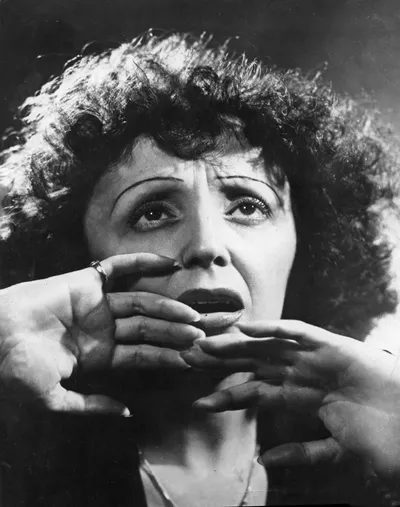
Edith Piaf didn’t just sing. He made them bleed. Born Edith Giovanna Gachion on December 19, 1915, the French icon turned the “chanson” into a visceral experience. His voice can break glass or break hearts in seconds. He left us with anthems like “No, I Don’t Regret” and “La Vie en Rose.” The latter is translated as “pink life”. This is an idiom about seeing the world through rose-colored glasses. Optimistic. Hope. However, Piaf’s life was not always rosy. It is grey, sore and short. He died on October 10, 1963 in Placassière, near Grasse. However, his official information says otherwise.
10 月 11 日死亡差异
为什么历史说伊迪丝琵雅芙于 10 月 11 日去世? 这是一个官僚鬼故事。
她的实际死亡发生在 10 月 10 日。她死在普拉卡西耶的别墅里。 位于巴黎东南 423 英里处。 但皮亚夫有一个特定的愿望。 她希望被埋葬在巴黎拉雪兹神父公墓她父亲和死去的女儿旁边。 她不能被埋在南方。 她的同事们都知道这一点。 所以他们篡改了书籍。
他们派了一辆救护车到她的别墅。 10 月 10 日下午晚些时候,她已经走了。 他们把她的尸体装到后面。 司机带她去了巴黎的一家医院。 在那里,医生签署了死亡证明。 10 月 11 日。这个日期被卡住了。 传记作家卡罗琳·伯克在《无悔:伊迪丝·琵雅芙的一生》(2011 年)中解释了这一点。 这不是一个错误。 这是最后的奉献行为。 撒谎是为了确保她与失去的家人保持密切联系。
鸟儿的童年
琵雅芙的音乐是黑暗的,因为她的生活更加黑暗。 她出生在巴黎的一个贫困家庭,白手起家。 她的母亲是一位咖啡馆歌手,在她出生时就抛弃了她。 祖母收留了她。但祖母住在妓院里。 年轻的伊迪丝是在这个行业中长大的。 她很小。 微小的。 身高不到 5 英尺。 大约90磅。
她三岁时患了脑膜炎。 这让她失明了。 四年后,她再次见到。 但损害已经造成了。 创伤已经烙印在心里了。
她加入了她的父亲。 他是一名马戏团杂技演员。 他们旅行了。 她在巴黎街头唱歌。 她勉强过去了。 她和小罪犯混在一起。 生存是唯一的目标。 1932年,17岁的她生下了一个女儿。 两年后,孩子去世了。 脑膜炎又来了 循环继续。 悲伤加剧了声音。
ラ モーム ピアフを探索する
1935 年にすべてが変わりました。 キャバレーのオーナー、ルイ・ルプレは彼女の歌を聞いた。 彼は彼女を雇った。 彼女がナイトクラブでパフォーマンスを披露するのはこれが初めてだ。 ルプレーは彼女を「ラ・モーム・ピアフ」と呼んでいます。 パリのスラングで「小さなスズメ」を意味します。 非常に適しています。 彼女はとても小さいです。 素早く。 シャープ。 彼女は職業的にその名前を採用しました。 エディット・ピアフ。
彼女の初日の夜は伝説的でした。 モーリス・シュヴァリーも聴衆の中にいた。 彼はそれが大好きです。 すぐに拍手が起こりました。 ステージは彼女のものだ。
From concert hall to war
Piaf moved from street corners to the great concert halls of Paris. He started at the regular price. Then the writers came along. Margaret Manno. Michel Aimard. These were written in his voice. Especially because of his pain.
His first recordings were “Les Mômes de la cloche” and “L’Étranger”. Recorded at Polydor in 1936. Then tragedy struck again. Lepley was murdered. The case was never solved. Piaf fled Paris. He couldn’t handle the scandal.
he is back. He met Raymond Asso. He is a songwriter and manager. they work together. they fell in love. Asso wrote “My Legionnaire” together with Monno. This was his first major success.
Then World War II happened. Asso was drafted into the army. The cooperation has ended. The romance is gone. Piaf continued to sing. He works with anyone who will listen. He found romance in the shadows. The spotlight remains, but darkness is everywhere.
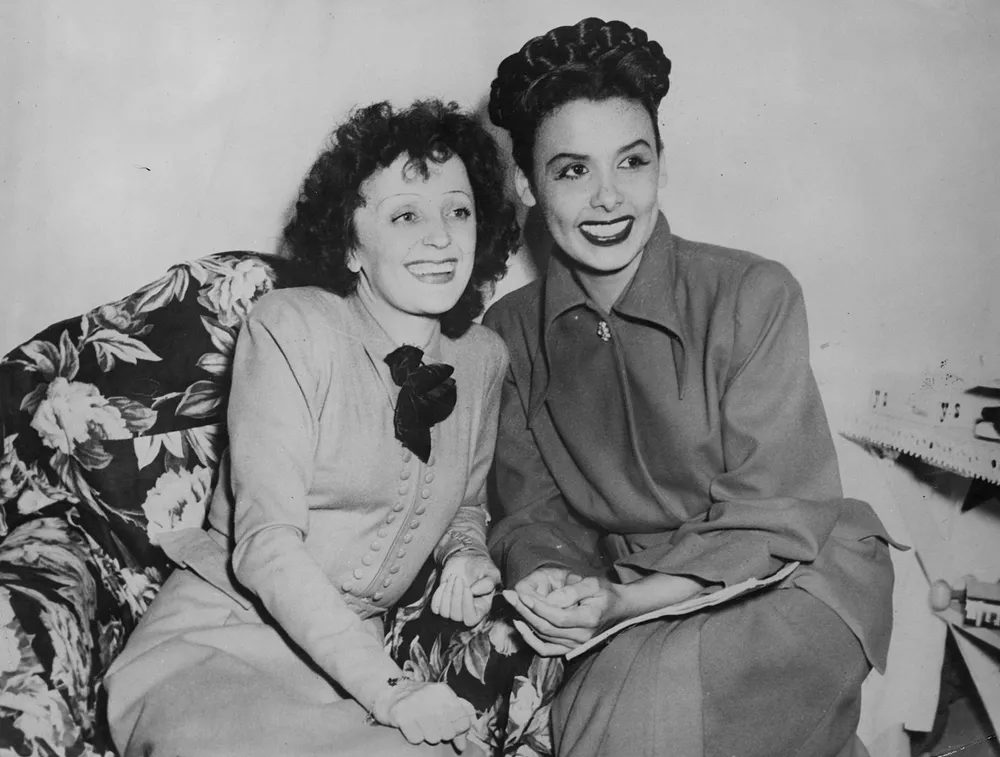
Marcel Cerdani’s tragic romance
The 1946 film Star Without Light marked an early collaboration between mentor and mentee, but a subsequent tour of the United States in 1947 catapulted her to international fame. He had already recorded the song “La Vie en Rose” that would become the sonic signature, and arrived in America ready to conquer. American critics were quickly convinced. The New York Herald Tribune captured the essence of her performance in a review that remains compelling.
“Her voice itself is less important than the way she mixes and modulates it in a sensitive and evocative pantomime. One part musician and three parts actress, connecting with her audience immediately, sometimes poignantly, but blandly disregards lingual barriers.”
That tour also introduced her to Marcel Cerdan. He was a Moroccan middleweight boxer and their relationship quickly ignited. It was intense, chaotic and ultimately deadly. Cerdan died in a plane crash in 1949 while flying to New York to be with her. This tragedy is full of “what ifs”. He had planned to cross the Atlantic by boat, but Piaf suggested that he take a plane so that he could get there faster. He listened. he died. She was working in New York when the news broke.
The Final Years and Cultural Afterlife
His later years were marked by a painful duality. On one hand, she possessed a simple yet dramatic style that gives his voice raw expression. She could break hearts with songs about loss and love. At the same time, his personal life was turbulent. Serious car accidents and severe addiction to alcohol and drugs took a toll on his body. Yet, from this decline emerged one of his most defiant anthems, “No, I Have No Regrets.”
He died of liver cancer at the age of 47. The reaction in France was visceral. Thousands of people lined the streets for his funeral, mourning not only the singer but also the national icon.
His legacy extends well beyond her discography. She chronicled her chaotic existence in two books: Wheel of Fortune, published in 1958, and My Life, appeared posthumously in 1964. His story has been told countless times in biographies, plays, and films. The most famous adaptation is “La Môme” (released in the US as “La Vie en Rose”). Marion Cotillard’s performance was so compelling that she won the Oscar for Best Actress and cemented Piaf’s place in the world’s pop culture consciousness.