NASA’s Artemis 2 mission has officially marked a turning point in human space exploration. While it is widely recognized as the first crewed mission to the Moon in over five decades, the mission has achieved a staggering series of “firsts” that extend far beyond simply returning humans to lunar vicinity. From technical breakthroughs to historic demographic shifts, Artemis 2 is rewriting the record books.
A Leap in Deep-Space Technology
The mission serves as a critical “shakeout cruise” for the Orion spacecraft, testing its vital life-support systems and maneuvering capabilities. Unlike previous eras of spaceflight, Artemis 2 is integrating cutting-edge technologies designed for long-duration, deep-space habitation.
Key technical milestones include:
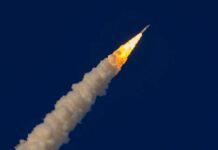
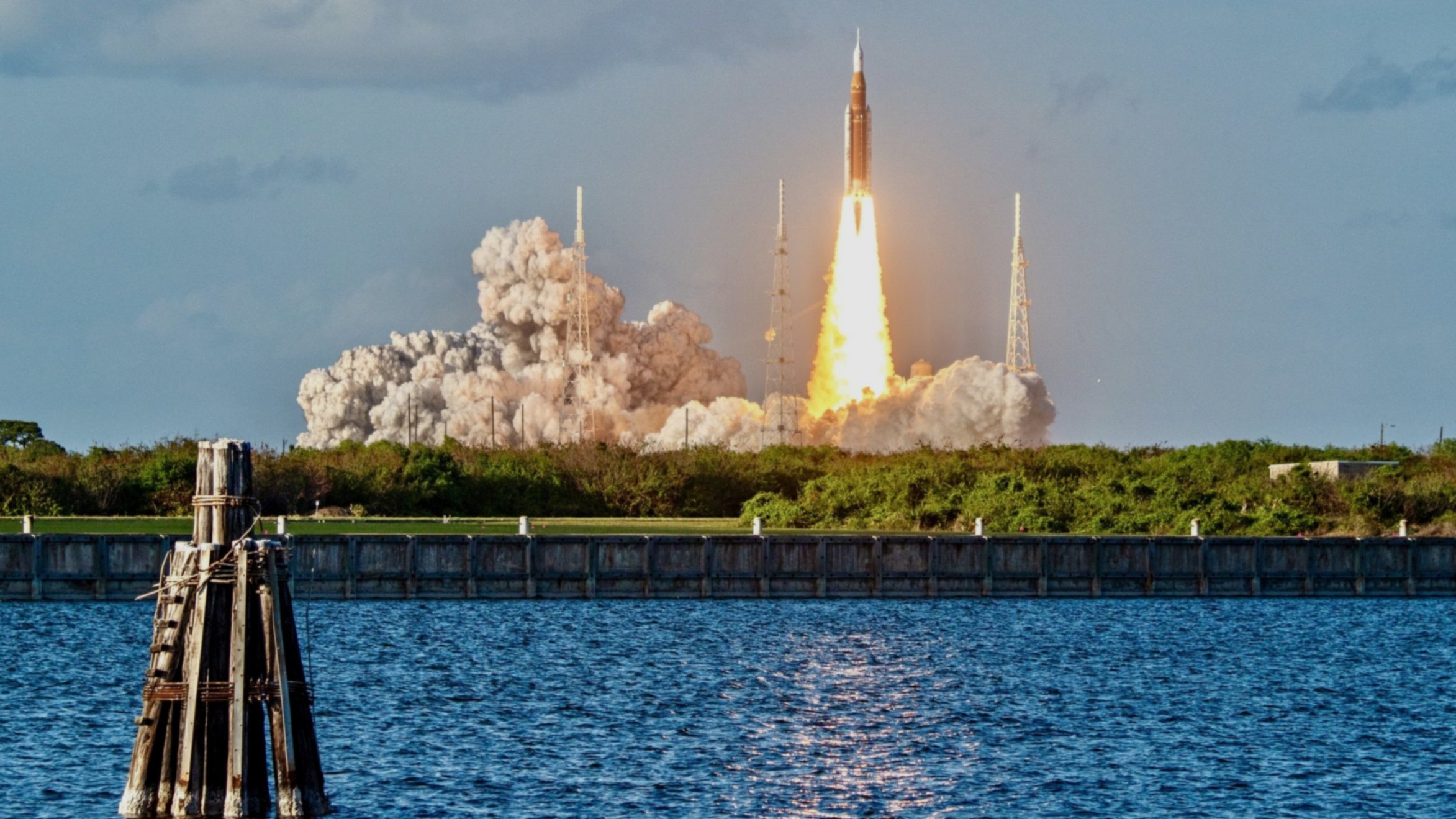
– The Orion-SLS Synergy: This marks the first time a crew has launched aboard the Orion spacecraft atop the Space Launch System (SLS) rocket.
– Advanced Communications: The mission is the first crewed deep-space flight to test an optical communications system, using laser terminals to transmit data more efficiently than traditional radio waves.
– Lunar Habitability: In a practical leap for astronaut comfort and hygiene, this is the first Moon mission to feature a dedicated toilet—a significant upgrade from the collection bags used during the Apollo era.
– New Recovery Protocols: Following their splashdown, the crew will be recovered by a San Antonio-class amphibious transport dock ship, a departure from the aircraft carriers and helicopters utilized during the Apollo program.
Navigating the Lunar Path
One of the most significant technical feats of Artemis 2 is its use of a free-return trajectory. This “figure-eight” flight path uses lunar gravity to swing the spacecraft around the Moon and back toward Earth without requiring constant engine propulsion.
While some Apollo missions used this path, they typically fired their engines to enter lunar orbit. Only Apollo 13 completed a full free-return, and that was a desperate emergency measure. Artemis 2 is the first crewed mission to follow this trajectory under nominal, planned conditions.
This maneuver also allowed the crew to shatter a long-standing distance record. On April 6, the mission reached a maximum distance of 252,757 miles (406,773 km) from Earth, surpassing the previous record held by Apollo 13.
Expanding Human Perspective
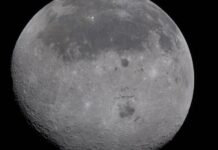
As the spacecraft looped around the Moon, the crew gained a view of the lunar far side that has never been directly witnessed by human eyes. This is more than a visual novelty; scientists believe the human eye can discern geological nuances on the lunar surface that current camera technology might miss, providing invaluable data for future lunar landings.
A Diverse and Historic Crew
The Artemis 2 crew represents a significant shift in the demographics of space exploration, breaking barriers that were non-existent during the original Moon race of the 1960s and 70s.
Breaking Barriers
- Christina Koch: The first woman to fly to the Moon. She also holds records for all-female spacewalks and long-duration single missions.
- Victor Glover: The first person of color to fly to the Moon, highlighting the evolution of NASA’s astronaut selection process since the late 1970s.
- Jeremy Hansen: The first Canadian and the first non-American to fly to the Moon.
- Reid Wiseman: The first person born in Maryland to reach the Moon.
Astronaut Legacies
The crew also carries unique professional distinctions. Commander Reid Wiseman and Jeremy Hansen are the first members of the “Chumps” (the 2009 candidate class) to fly to the Moon, while Victor Glover and Christina Koch represent the “8 Balls” (the 2013 candidate class).
Artemis 2 is not merely a return to the Moon; it is a sophisticated testbed for the sustainable, permanent lunar presence NASA aims to establish within the decade.
Conclusion
By successfully navigating unprecedented distances and testing advanced deep-space technologies, Artemis 2 has transitioned from a symbolic mission to a practical foundation for future lunar habitation. This mission proves that humanity is no longer just visiting the Moon, but is preparing to stay.