
The race to build powerful, error-corrected quantum computers (FTQCs) faces a critical, often overlooked challenge: energy consumption. While these machines promise to solve problems beyond the reach of even the most advanced supercomputers, some designs may demand more electricity than today’s fastest systems.
The Energy Trade-Off: Power vs. Practicality
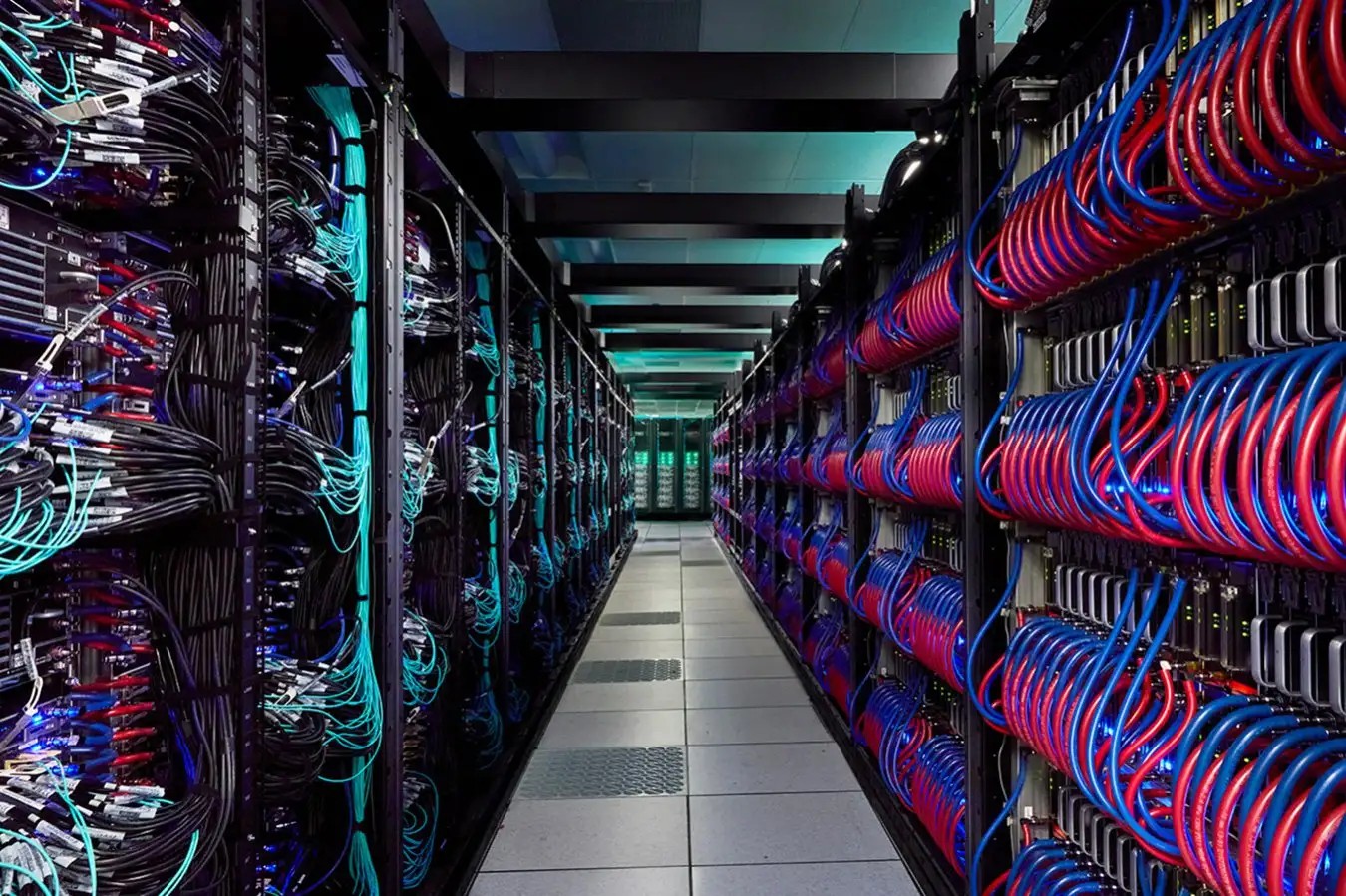
Current quantum computers are small, fragile, and prone to errors. To become truly useful—capable of breakthroughs in fields like drug discovery—they must scale up dramatically and achieve fault tolerance. However, this comes at a steep potential cost. Preliminary estimates suggest that certain FTQC designs could require up to 200 megawatts of power, exceeding the consumption of entire cities. For comparison, the world’s fastest supercomputer, El Capitan, needs roughly 20 megawatts—already a significant load.
This disparity isn’t just a matter of scale. The diverse methods for building qubits (the quantum equivalent of bits) drive energy demands in different ways. Some designs rely on extreme cooling (such as superconducting qubits, needing massive refrigeration), while others depend on high-precision lasers and microwaves (trapped ions or ultracold atoms). All of these contribute to the overall power footprint.
Industry Estimates: A Wide Spectrum of Consumption
The Quantum Energy Initiative (QEI) estimates future FTQC energy needs could range from 100 kilowatts to 200 megawatts. Firms like IBM project their large-scale FTQCs will operate around 2-3 megawatts, while QuEra estimates 100 kilowatts for their system. However, other major players, including Google Quantum AI and Xanadu, have declined to comment on their energy projections.
Beyond the core qubit technology, the overhead of error correction adds complexity. FTQCs require constant monitoring and direction to correct errors, increasing the electronic load. Furthermore, the time a quantum computer must run to complete a task also impacts energy use—fewer qubits may require longer operation, negating potential savings.
The Path Forward: Standards and Benchmarks
To navigate this challenge, the quantum computing industry needs standardized benchmarks for measuring and reporting energy consumption. QEI is leading efforts in this direction, with related projects underway in both the US and the EU. Reducing the energetic footprint isn’t just a technical hurdle; it’s a critical factor in determining which designs will dominate the market.
“There are many, many technical options that could work in favour of reducing the energetic footprint,” says Olivier Ezratty of QEI.
The development of energy-efficient quantum computers is still in its early stages. As the industry matures, understanding and minimizing energy consumption will be paramount to unlocking the full potential of this revolutionary technology.