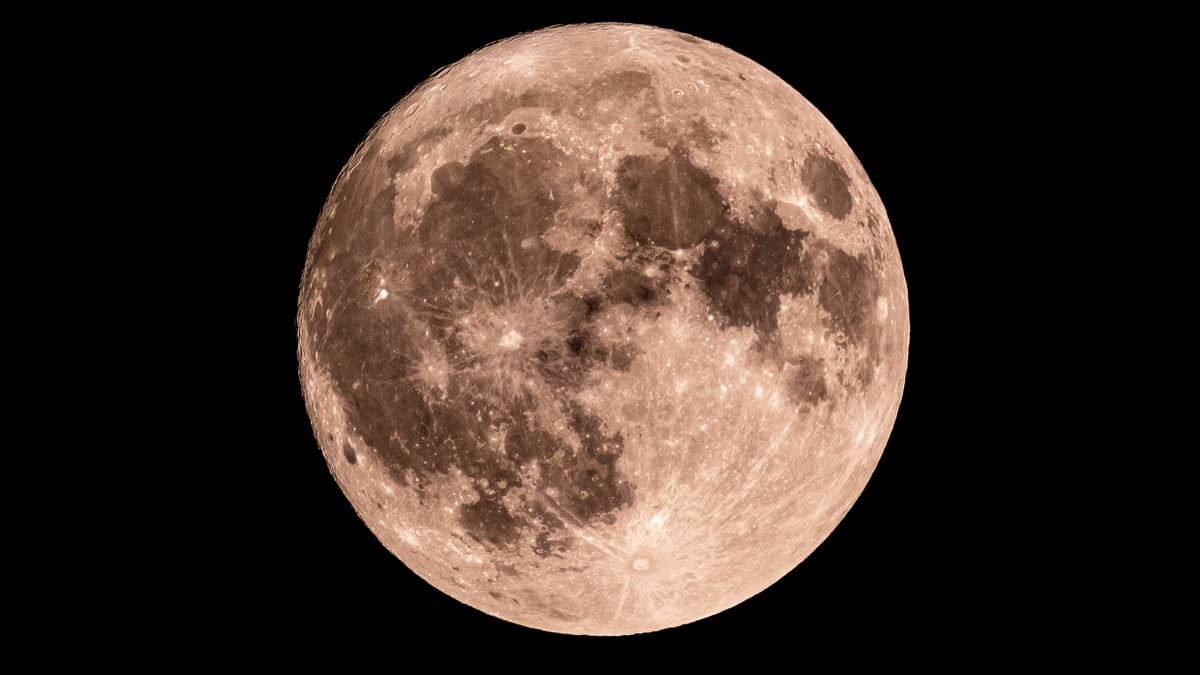
As of today, February 8, 2025, the Moon is in the Waning Gibbous phase, meaning it’s gradually shrinking in visible illumination. Currently, approximately 62% of the Moon’s surface is lit, according to NASA’s Daily Moon Guide. This means that each night, the illuminated portion will become smaller as the Moon moves toward the Third Quarter.
What You Can See Tonight
With just your eyes, you can expect to see prominent lunar features such as the Mares Vaporum and Imbrium (seas of vapor and seas of rain) along with the Aristarchus Plateau. Binoculars will reveal more details, including the Clavius and Archimedes Craters and the rugged Alps Mountains. For those with telescopes, even more is visible: the landing sites of the Apollo 14 and 15 missions, as well as the winding Rima Ariadaeus (a lunar rille or channel).
Understanding Moon Phases
The Moon goes through a full cycle in roughly 29.5 days, the time it takes to orbit Earth once. During this cycle, we see varying amounts of sunlight reflected off the Moon, which creates the phases. The Moon’s rotation is tidally locked with Earth, meaning the same side is always facing us.
Here’s a breakdown of the eight Moon phases:
- New Moon: The Moon is between Earth and the Sun; the side facing us is dark.
- Waxing Crescent: A sliver of light appears on the right side (Northern Hemisphere).
- First Quarter: Half of the Moon is lit on the right side.
- Waxing Gibbous: More than half is lit, but not yet full.
- Full Moon: The entire visible face is illuminated.
- Waning Gibbous: Light begins to fade on the right side.
- Third Quarter (Last Quarter): Half of the Moon is lit on the left side.
- Waning Crescent: A thin sliver remains on the left side before disappearing again.
When To Expect the Next Full Moon
The next Full Moon will occur on March 3rd. Observing the lunar cycle helps understand the constant interplay between Earth, the Moon, and sunlight. This is a reminder of the dynamic nature of our celestial neighborhood.