





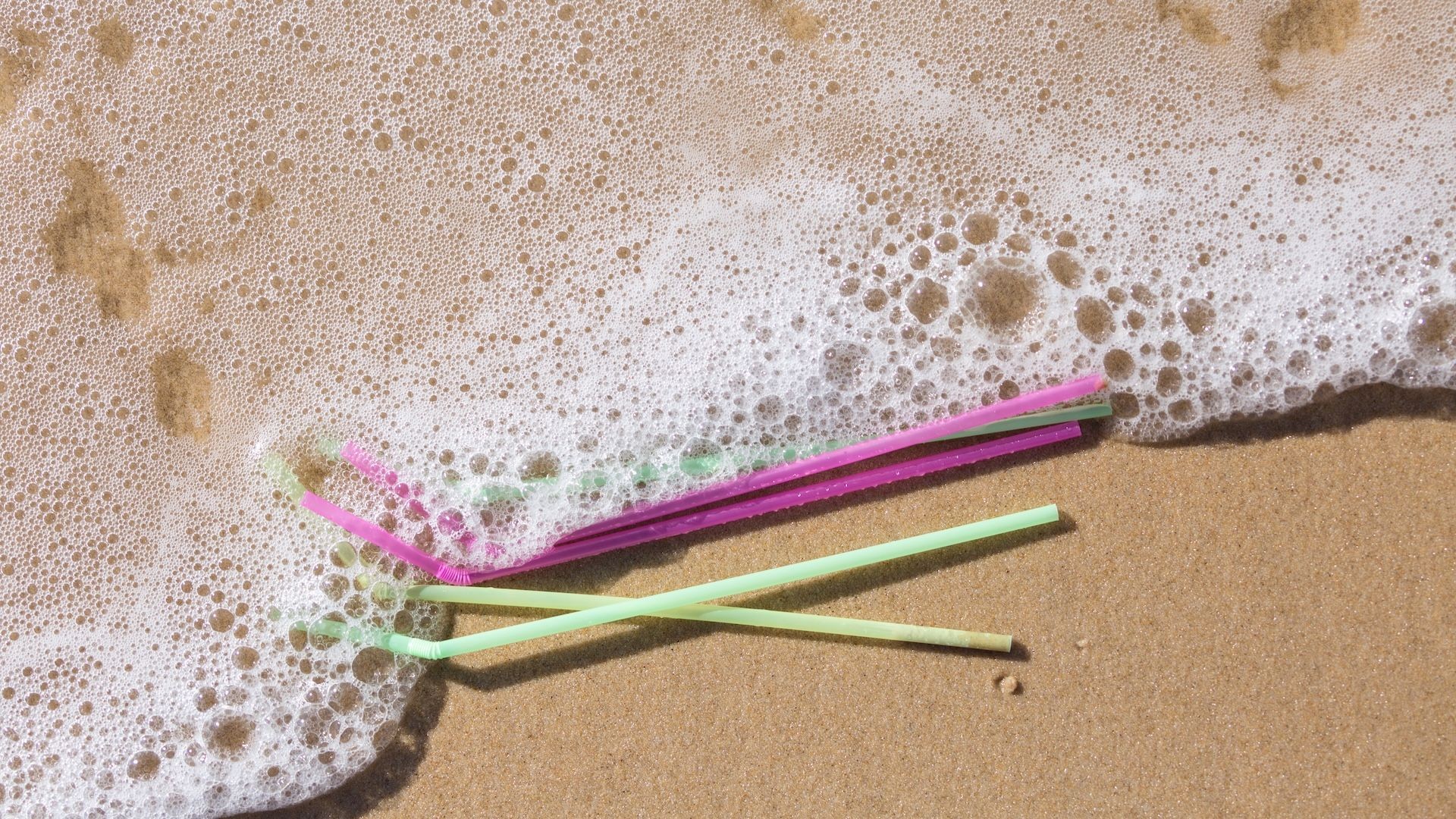
Global plastic production is surging, reaching 400 million metric tons annually in 2022 and projected to double by 2050. With less than 10% of plastic waste recycled, the problem isn’t just aesthetic; it’s a growing environmental and health catastrophe. While international negotiations to curb plastic pollution have stalled, the search for alternatives, like biodegradable plastics, is gaining traction – but faces significant hurdles.
The Chemical Reality of Plastic Pollution
The sheer volume of plastic waste is alarming, but the chemical composition is even more so. Scientists have identified over 4,200 toxic and persistent chemicals in plastics, released throughout their lifecycle from extraction to disposal. Only 6% of these are internationally regulated, exposing humans and ecosystems to unknown risks. As plastics break down into micro- and now nanoplastics, these chemicals accumulate in the food chain, with recent studies finding them in human organs, causing cell aging, genetic disruption, and inflammation.
The problem extends beyond visible pollution. Nanoplastics, smaller than a human hair, are now present in the ocean at levels comparable to microplastics, sinking into the depths and crossing biological barriers, potentially disrupting cellular processes. The scale of this contamination is immense, with an estimated 27 million metric tons of nanoplastics in the North Atlantic alone.
The Promise and Pitfalls of Biodegradable Plastics
One proposed solution is shifting to biodegradable plastics, materials broken down by natural organisms into harmless byproducts. However, most current “biodegradable” options are composites of bio-based materials (like wood fibers) and petrochemicals. These can release harmful chemicals like terephthalic acid and bisphenol A as they degrade, posing new environmental threats.
Even purely bio-based plastics aren’t without issues. Polylactic acid (PLA), made from corn or sugarcane, requires intensive agriculture that contributes to deforestation and water pollution, while cellulose diacetate (CDA), derived from wood pulp, may not fully break down in marine environments. Both still degrade into microplastics with the same chemical mixtures.
The Path Forward: Sustainable Materials and Reduced Consumption
Researchers are exploring solutions, such as foaming CDA to accelerate biodegradation and sustainably sourcing bio-based feedstocks (like industrial waste or certified wood pulp). But cost remains a barrier, as biodegradable plastics are often more expensive to produce.
The most effective long-term solution may lie in reducing plastic production altogether. The average plastic bag is used for just 12 minutes before disposal, raising questions about the necessity of single-use items. Redirecting plastic use to essential applications while phasing out toxic chemicals and prioritizing sustainable alternatives is crucial.
The ongoing UN treaty negotiations offer a glimmer of hope, but require renewed commitment from all nations. Solving plastic pollution will demand systemic change, not just technological fixes. As one scientist put it, there’s no quick fix that allows us to maintain our current lifestyle without consequences.