
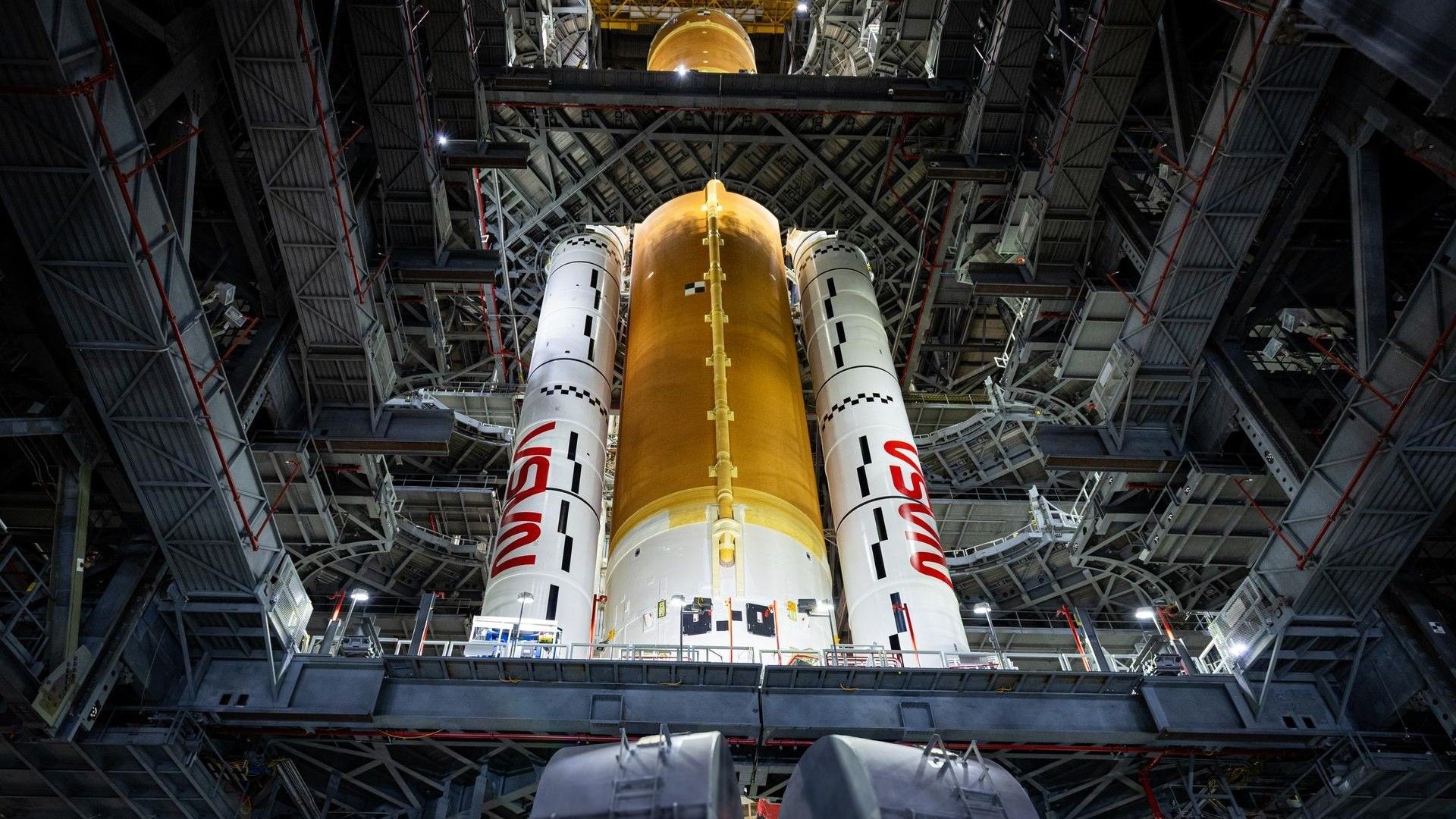
NASA is moving forward with preparations for the Artemis 2 mission, a pivotal step in returning humans to the Moon. On Saturday, January 17, the Space Launch System (SLS) rocket, critical for this endeavor, began its slow, 4-mile journey from the Vehicle Assembly Building (VAB) to Launch Complex 39B at the Kennedy Space Center in Florida. The rollout, expected to take between 8 and 10 hours, involves the massive SLS rocket and its Mobile Launch Platform being hauled by the Crawler Transporter 2, a vehicle originally designed for Apollo-era Saturn V missions.
Slow and Steady Progress
The deliberate pace is essential for maintaining stability. The rocket and platform weigh over 11 million pounds, necessitating a cautious approach. NASA officials confirmed that the rollout began at 7:04 a.m. EST, with the crawler moving at roughly 1 mile per hour. The slow speed ensures the massive structure remains stable during transport.
Crucial Testing Ahead
Once at the launch pad, engineers will conduct a “wet dress rehearsal” – a full-scale fueling test – on February 2. This involves loading cryogenic propellants, simulating a countdown, and then safely draining the fuel. The results will determine whether NASA can proceed with the planned launch window between February 6 and 10. Additional rehearsals may be required if issues arise, potentially leading to a rollback to the VAB for further adjustments.
Artemis 2: A Crewed Return to Lunar Orbit
Artemis 2 will be the first crewed Artemis mission, carrying four astronauts on a journey around the Moon. Unlike the uncrewed Artemis 1 test flight in 2022, Artemis 2 features life support systems designed to sustain a human crew for ten days.
The mission is not without challenges. NASA acknowledges that previous launches, like Artemis 1, experienced delays due to fuel leaks, though officials state fixes are in place. The agency has multiple launch windows through April if the February attempt fails.
“This is not a rush,” said Artemis Launch Director Charlie Blackwell-Thompson, emphasizing the importance of thorough testing before committing to a launch date.
The rollout and subsequent testing represent critical milestones in NASA’s plan to establish a long-term presence on the Moon, paving the way for future crewed missions and lunar exploration.
The Artemis 2 launch is now on a tight timeline, but NASA is committed to proceeding methodically, ensuring both the safety of the crew and the success of this historic mission.