
The world is in a new space race, but unlike the Cold War contest between the US and the Soviet Union, this one is fueled by private companies and commercial interests. Falling launch costs and reusable rockets have democratized access to space, turning low Earth orbit (LEO) into a competitive marketplace where innovation happens at unprecedented speed. This shift is crucial because modern life increasingly depends on space-based infrastructure for essentials like climate monitoring, global communications, navigation, and internet access.
The Moon as a New Battleground
At the forefront of this race is the intensifying geopolitical competition between the US and China over lunar dominance. China has laid out an ambitious plan to land astronauts on the moon before 2030, specifically targeting the resource-rich south pole. This is not just about prestige; the lunar south pole contains water ice and other resources critical for long-term lunar exploration and potential settlement. NASA’s Artemis 3 mission also aims for the lunar south pole by 2028, though the race is tight.
China’s broader space program includes expanding its Tiangong space station and accelerating Mars exploration. Officials have even suggested they could return Mars samples to Earth as early as 2031 — potentially beating the US, which is also working to retrieve samples collected by the Perseverance rover. Some experts believe China already has an advantage due to its consistent execution, while Western efforts have been less streamlined.
The Commercial Advantage
Despite China’s progress, the US maintains key advantages. Strong partnerships with Europe and a robust commercial space sector, particularly SpaceX, give it a competitive edge. Industry leaders point to NASA’s recent leadership as another critical factor, praising Administrator Jared Isaacman for potentially accelerating US progress. The ability to reliably and affordably put hardware into orbit is a game changer, effectively creating “an elevator” to space.
The Next Frontier: In-Space Computing
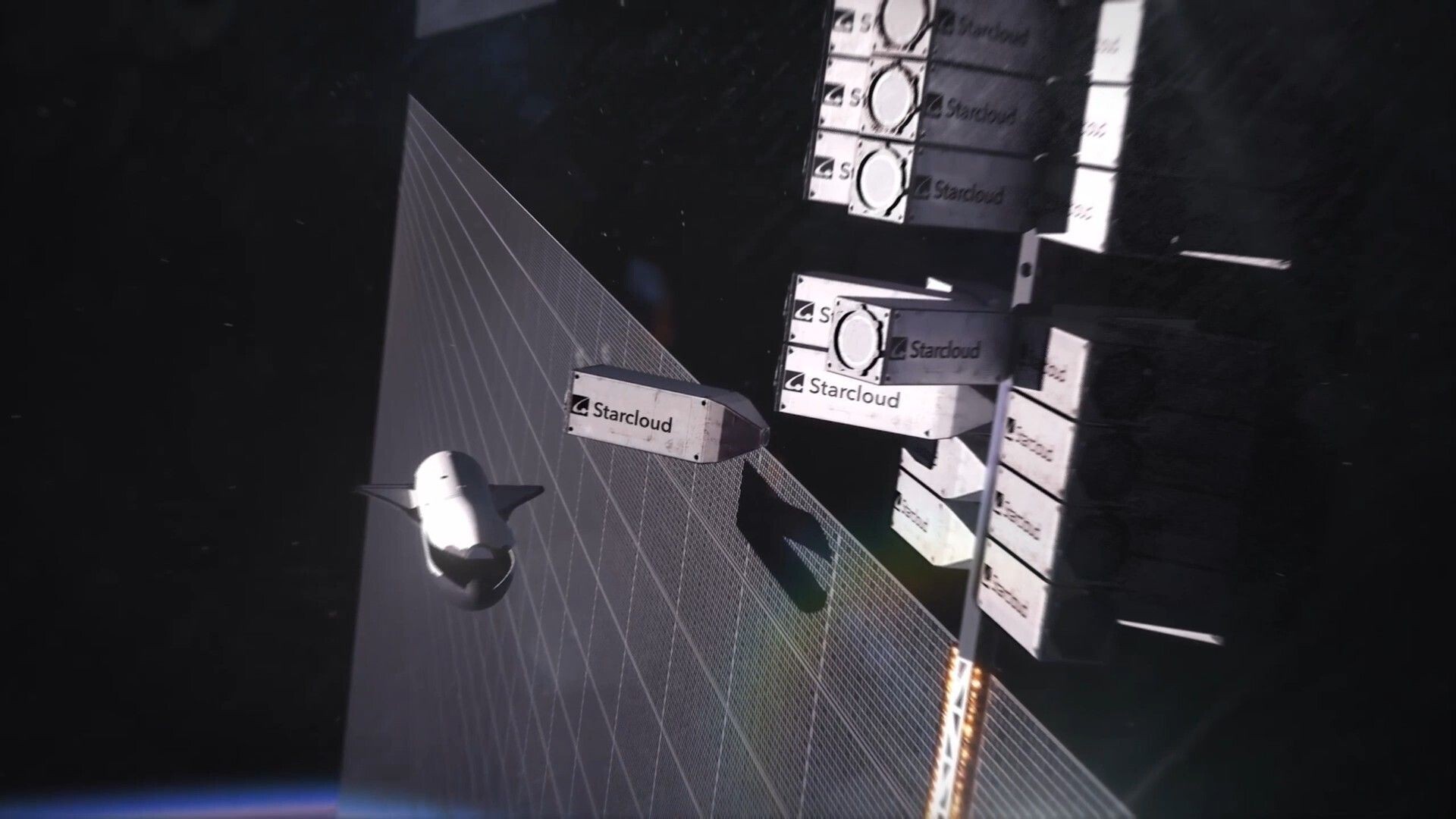
The next major leap in space technology won’t be about getting to space, but about what happens in space. Companies are developing the capability to process data directly in orbit using onboard computing and artificial intelligence, rather than transmitting raw data back to Earth. This approach is more secure, faster, and less vulnerable to interference. By analyzing information in space and transmitting only the results, companies can bypass traditional vulnerabilities and accelerate decision-making.
The commercial space sector is rapidly evolving into a critical infrastructure, not just an industry. The outcome of the US-China competition remains uncertain, but the race will define how space is accessed, utilized, and governed for decades to come.