The moon is currently in a Waxing Crescent phase, meaning a small but growing sliver of the moon is visible in the night sky. As of Tuesday, December 23, 2025, approximately 11% of the moon’s surface is illuminated. This phase follows a period of relative darkness and precedes the progression towards a full moon.
What You Can See Tonight
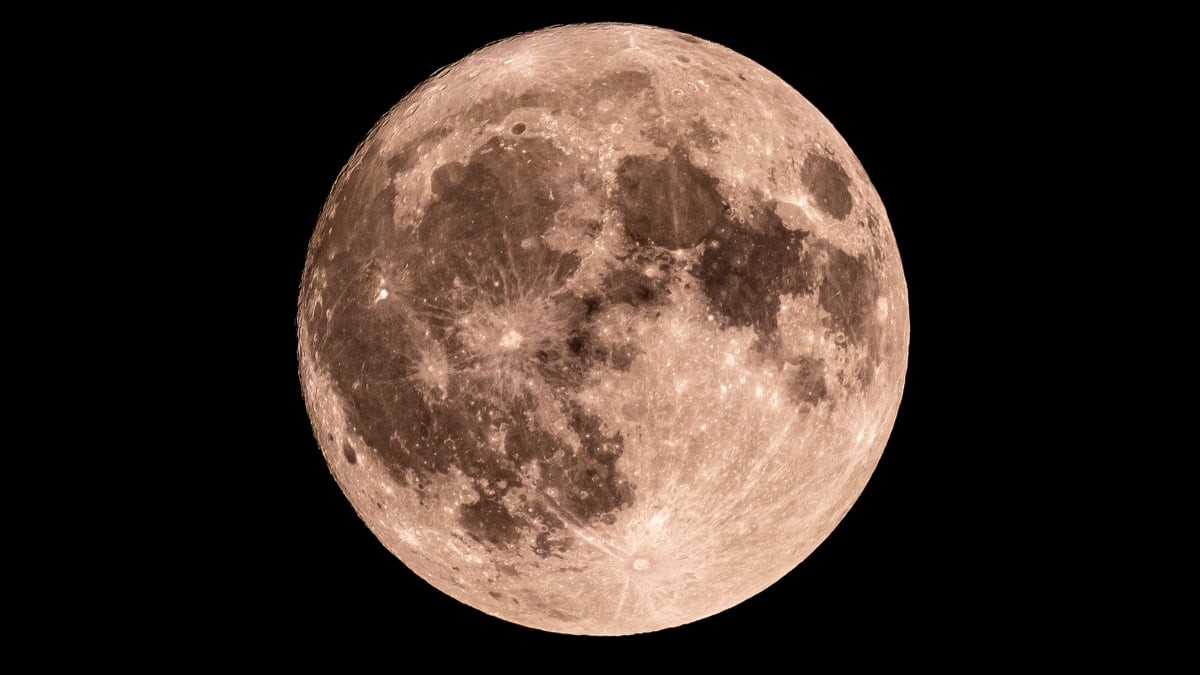
Even without optical aid, observers can spot darker regions called mares (large, dark, basaltic plains). Specifically, the Mares Crisium and Mare Fecunditatis are visible with the naked eye. Those with binoculars or a telescope may also identify the Endymion Crater, a prominent impact feature.
The visibility of these features is driven by the angle of sunlight hitting the moon’s surface as it orbits Earth. The amount of light we see changes daily, creating the familiar lunar cycle.
Upcoming Full Moon
The next full moon will occur on January 3, 2025. The previous full moon was on December 4, 2025. The lunar cycle, from new moon to full moon and back, takes roughly 29.5 days.
Understanding Moon Phases
The moon’s phases are a natural consequence of its orbit around Earth and the changing angles of sunlight reflecting off its surface. Though we always see the same side of the moon, the amount of illumination varies, creating eight distinct phases:
- New Moon: The moon is between Earth and the sun, making its visible side dark.
- Waxing Crescent: A sliver of light appears on the right side (in the Northern Hemisphere).
- First Quarter: Half of the moon is lit on the right side.
- Waxing Gibbous: More than half is lit, but not yet full.
- Full Moon: The entire face of the moon is illuminated.
- Waning Gibbous: Light begins to decrease on the right side.
- Third Quarter: The left side is half-lit.
- Waning Crescent: A thin sliver of light remains on the left side before disappearing.
These phases are not just a beautiful sight; they have influenced cultures, agriculture, and even mythology for millennia. The cycle continues, driven by gravity and orbital mechanics, ensuring a predictable yet captivating celestial display.
The moon phase cycle is consistent, and observing it provides a simple yet profound connection to the cosmos.