A newly discovered, nearly complete 90-million-year-old dinosaur skeleton from Patagonia, Argentina, is forcing scientists to rethink the evolutionary history of a strange group of theropods called alvarezsauroids. The find, alongside re-examination of older specimens, suggests these dinosaurs spread across the globe before continents fully separated, challenging previous theories about their origins.
A Mysterious Lineage Unveiled
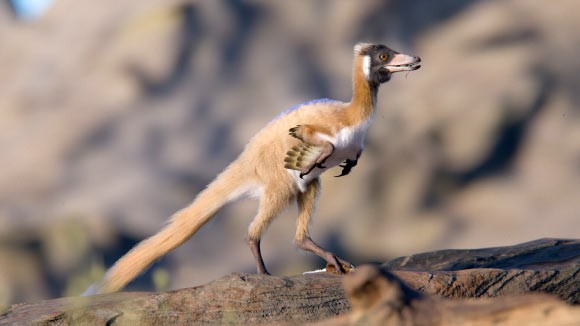
Alvarezsauroids are known for their odd features: tiny teeth, stubby arms, and a single, enlarged claw on each hand. Paleontologists have long puzzled over their evolution, especially given their specialized adaptations. The latest research, published in Nature, provides critical new insight. The Argentinian fossil, belonging to the species Alnashetri cerropoliciensis, is exceptionally well-preserved, allowing researchers to confirm the animal was a mature adult weighing less than 2 pounds – making it one of the smallest dinosaurs yet discovered in South America.
Key Findings and Evolutionary Timeline
The Alnashetri specimen is significant because it possessed longer arms and larger teeth than its later relatives. This indicates that miniaturization and the development of specialized digging claws came after the initial evolution of the group, not before.
The research team also re-analyzed previously collected alvarezsauroid fossils from North America and Europe, confirming that these dinosaurs originated much earlier than previously thought. Their distribution across continents predates the full breakup of Pangea, the ancient supercontinent. This means alvarezsauroids didn’t trek across oceans as some theories suggested; their spread happened while landmasses were still connected.
The Rise of the Ant-Eaters
Alvarezsauroids are now understood to have been specialized feeders. Their adaptations – small teeth, clawed hands – likely evolved to exploit ant colonies. This dietary specialization may explain why they shrank in size over time, as smaller bodies could more easily access these food sources. The research highlights how environmental pressures and niche specialization shaped the evolution of these unusual dinosaurs.
The discovery underscores the importance of complete fossil specimens in resolving evolutionary mysteries. It also demonstrates how re-examining old data can reveal new insights when combined with fresh evidence.
The findings offer a clearer picture of alvarezsauroid evolution, showing they were a successful and widespread group that adapted to unique feeding strategies long before their final, specialized forms appeared.