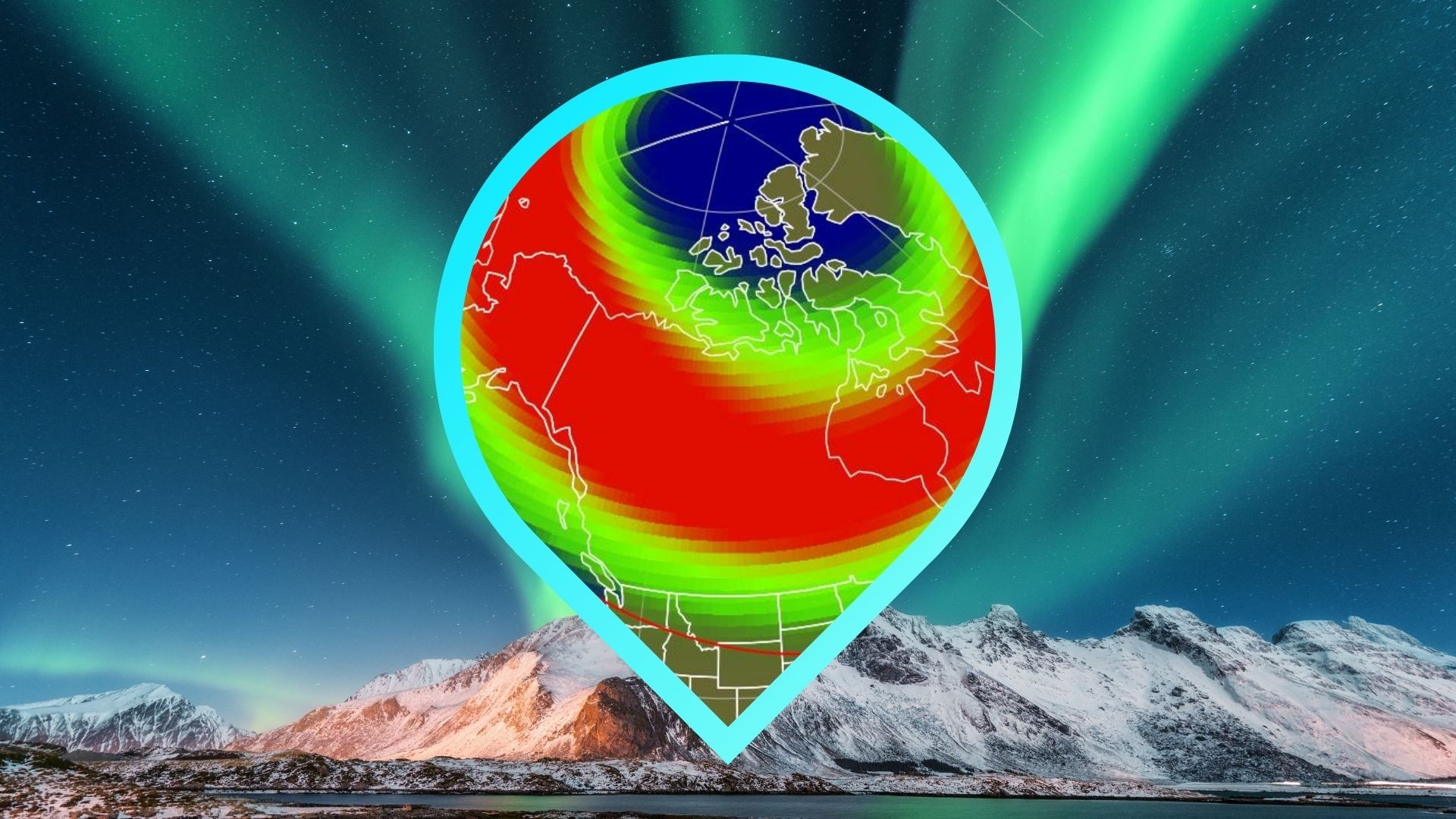
A powerful solar flare has triggered a coronal mass ejection (CME) heading toward Earth, raising the possibility of visible northern lights as far south as Illinois and Oregon tonight. The event, stemming from an X.1.4 solar flare on March 30, is currently traveling at approximately 1118 miles per second (1900 km/s). While a direct hit is not anticipated, a glancing blow could cause moderate geomagnetic storm conditions (G1 to G2) with a chance of stronger G3 activity.
Why This Matters
This is not just a beautiful spectacle; it’s a reminder of the Sun’s constant influence on our planet. Geomagnetic storms can impact power grids, satellite communications, and even GPS accuracy. While this event is forecast to be minor to moderate, stronger CMEs can disrupt technology significantly. This event highlights our increasing dependence on space-based infrastructure and the need for better preparedness against solar activity.
Where to Look for Auroras
Based on current forecasts, the following states have the highest potential for viewing the northern lights tonight:
- Alaska
- North Dakota
- Minnesota
- Montana
- Wisconsin
- South Dakota
- Idaho
- Michigan
- Maine
- Vermont
- New Hampshire
- Washington
- Oregon
- Iowa
- New York
- Wyoming
However, predictions are never certain. The aurora’s visibility depends heavily on the storm’s strength and atmospheric conditions. If the CME strengthens, the lights could appear further south; conversely, weaker activity could result in no visible display.
Best Viewing Times
Geomagnetic activity is expected to peak tonight, with moderate (G2) storm levels. The most favorable viewing window begins as soon as it gets dark enough, with activity potentially lingering overnight.
According to NOAA, activity should gradually subside to minor (G1) levels by April 1. To maximize your chances of seeing the lights, use a space weather app like “My Aurora Forecast & Alerts” or “Space Weather Live” to track real-time conditions in your area.
Tips for Viewing and Photography
To improve your chances of seeing the aurora:
- Find a dark location: Get away from city lights for the clearest view.
- Give your eyes time to adjust: Spend at least 20–30 minutes in the dark.
- Scan the northern horizon: Look for faint glows first with your phone’s camera, then with your eyes.
- Dress warmly and be patient: Auroras are unpredictable.
For photography, consider using a long-exposure setting on your camera. If you’re serious about astrophotography, research the best cameras designed for capturing the night sky.
The aurora is a natural phenomenon, but its visibility is never guaranteed. Keep checking forecasts and be prepared for a potentially spectacular show.