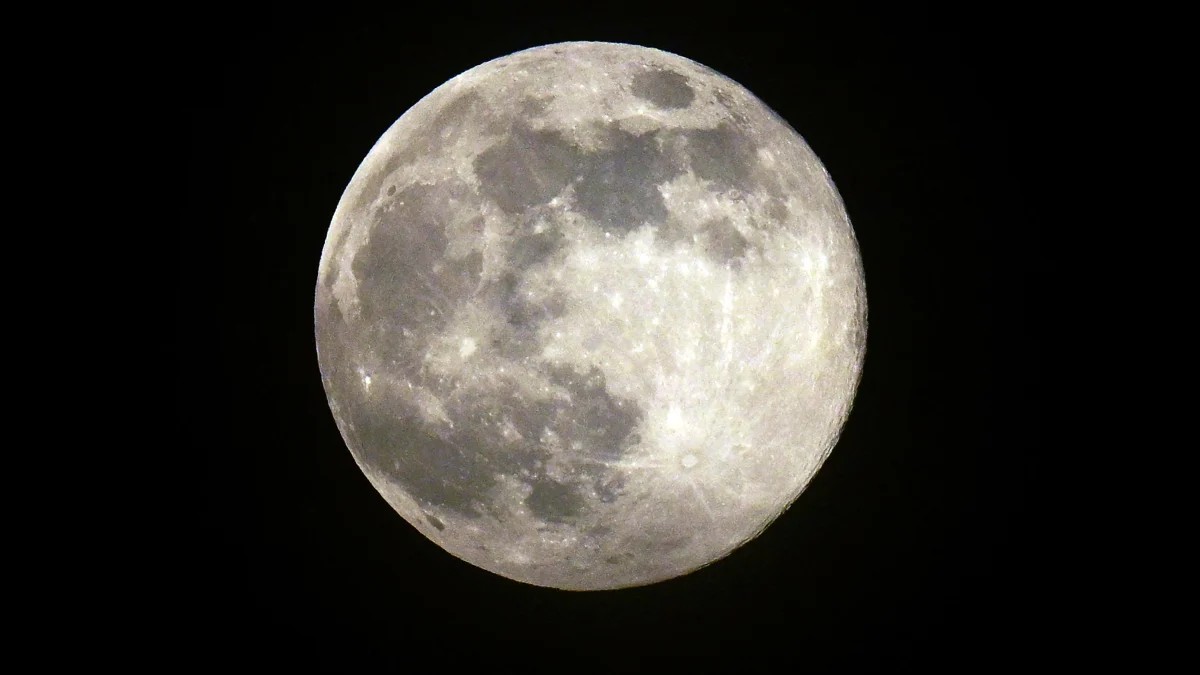
The first Full Moon of 2026 will be a supermoon, continuing a trend of larger, brighter lunar displays that began late in 2025. This means January will deliver another striking celestial event for stargazers. But why are these moons appearing bigger, and what does the term “supermoon” actually mean?
What Makes a Supermoon Special?
A supermoon isn’t a special type of moon, but rather a Full Moon that occurs when the Moon is at or near its closest point to Earth in its orbit—a point called perigee. Because of this proximity, the Moon appears up to 14% larger and 30% brighter than when it’s farthest away. While this difference isn’t always obvious to the naked eye, it creates a noticeably more dramatic lunar presence in the night sky.
When to See January’s Wolf Moon
The Full Moon in January 2026 will peak on Saturday, January 3rd, at approximately 5:02 AM ET. This means it will be most visible overnight into the early morning of that day.
The Name: Why ‘Wolf Moon’?
Traditionally, January’s Full Moon is known as the “Wolf Moon.” This name comes from folklore, reflecting the belief that wolves were more active and vocal during this time of year. While modern science doesn’t confirm this specifically, the name stuck due to cultural associations with winter months and animal behavior.
Beyond January: The Lunar Cycle
The Moon goes through eight distinct phases in its 29.5-day orbit around Earth. These phases are determined by how much of the Moon’s sunlit surface is visible from our perspective:
- New Moon: Invisible, as the sunlit side faces away from Earth.
- Waxing Crescent: A sliver of light appears, growing each night.
- First Quarter: Half of the Moon is illuminated.
- Waxing Gibbous: More than half is lit, approaching fullness.
- Full Moon: Completely illuminated.
- Waning Gibbous: Light begins to diminish.
- Last Quarter: The opposite half is lit from the First Quarter.
- Waning Crescent: A final sliver before disappearing again.
The next Full Moon will occur on February 1, 2026, continuing this cycle of lunar phases.
Supermoons, like the one in January, are a reminder of the dynamic relationship between Earth and its natural satellite. Understanding these events can enrich our appreciation for the cosmos and the simple beauty of observing the night sky.