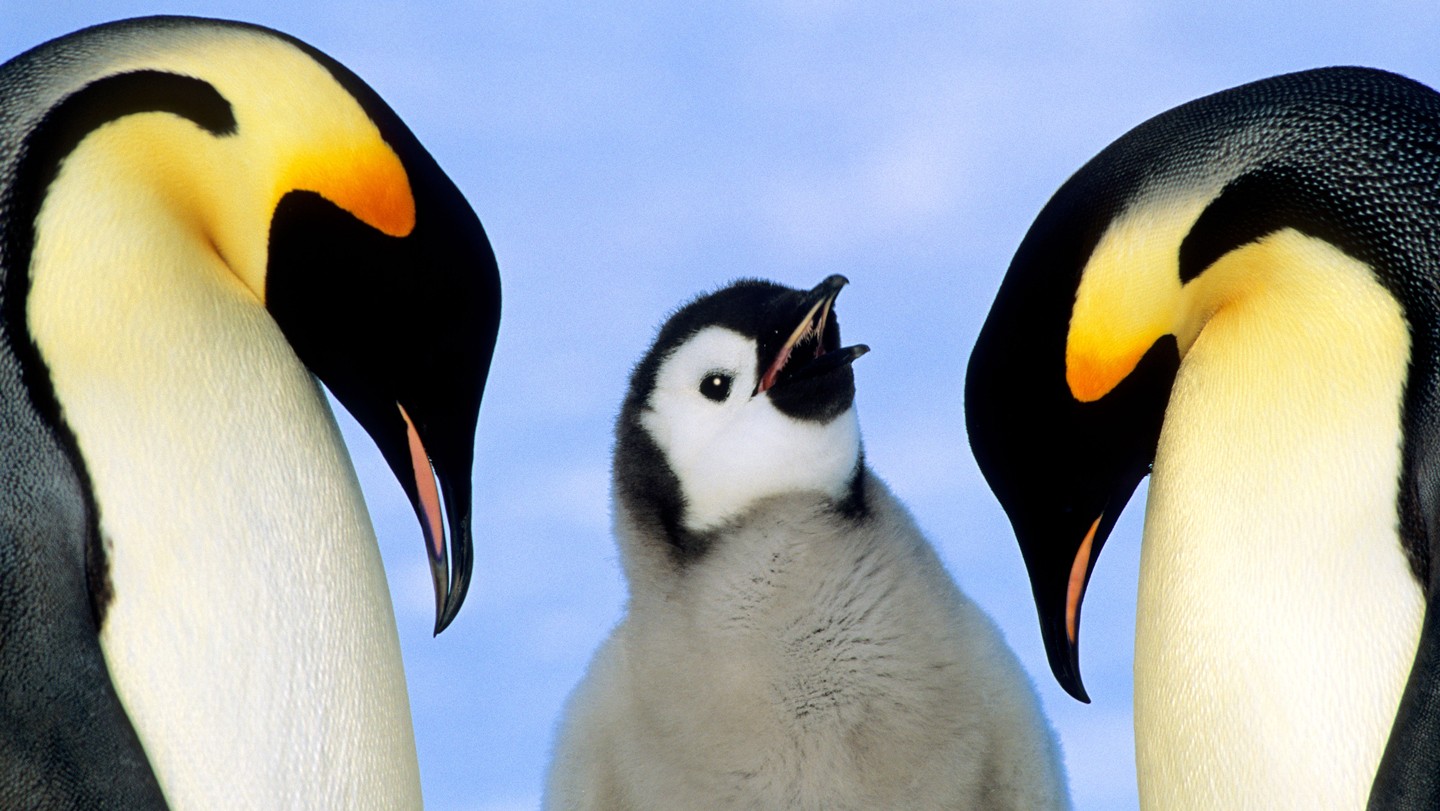
The biological landscape of Antarctica is shifting rapidly, and the consequences for its most iconic residents are dire. In a significant reassessment of global biodiversity, the International Union for Conservation of Nature (IUCN) has officially reclassified both the Emperor penguin and the Antarctic fur seal as “Endangered.”
This shift in status serves as a grim indicator of how rapidly climate change is destabilizing the Southern Ocean ecosystem.
The Emperor Penguin: A Race Against Melting Ice
For generations, Emperor penguins (Aptenodytes forsteri ) have relied on a specific environmental requirement to survive: “fast ice.” This is sea ice that remains stable and immobile for most of the year, providing a vital platform for breeding and raising chicks.
However, the stability of this ice is vanishing. Recent trends show that Antarctic sea ice is not only shrinking in total expanse but is also breaking up much earlier in the season than in previous decades. This timing is critical for the species’ survival:
- The Vulnerability of Chicks: Unlike adults, penguin chicks have not yet developed waterproof feathers.
- The Fatal Consequence: When sea ice breaks up prematurely, chicks are forced into the water before they are physically prepared, leading to mass drownings or death from exposure.
- A Recent Catastrophe: In 2022, satellite data revealed the total loss of five breeding colonies near the Bellingshausen Sea, resulting in the deaths of approximately 10,000 chicks.
The impact on the population is already measurable. Estimates suggest the adult population has dropped by 10% to 22% since 2009. Projections from the IUCN are even more concerning, suggesting that the population could be halved by the year 2080.
The Antarctic Fur Seal: A Rapid Decline
While the Emperor penguin’s decline is a slow-motion crisis, the trajectory of the Antarctic fur seal (Arctocephalus gazella ) is remarkably steep. The speed of their decline highlights a different, yet equally devastating, aspect of ocean warming.
In 1999, the species was categorized as “Least Concern,” with a robust population of over 2.1 million adults. By 2025, that number had plummeted to roughly 944,000.
The driver behind this collapse is a disruption in the marine food web:
1. Rising Ocean Temperatures: Warmer waters are altering the habitat of krill, the tiny crustaceans that form the foundation of the Antarctic food chain.
2. Food Scarcity: As sea ice shrinks, krill are being pushed into deeper, harder-to-reach ocean depths.
3. Pup Mortality: With their primary food source becoming less accessible, seal pups are struggling to find enough nutrition to survive their first year, leading to a sharp drop in recruitment rates.
Why This Matters
The reclassification of these species is more than just a change in scientific labels; it is a biological alarm bell. The decline of these animals is not happening in isolation—it is a symptom of a collapsing ecosystem where the physical environment (ice) and the biological foundation (krill) are both being compromised by rising temperatures.
“The emperor penguin’s move to Endangered is a stark warning: Climate change is accelerating the extinction crisis before our eyes.” — Martin Harper, CEO of BirdLife International
Conclusion
The transition of these species to “Endangered” status underscores a rapidly accelerating extinction crisis driven by the loss of sea ice and shifting food webs. Without significant intervention regarding global climate trends, these Antarctic icons face a high risk of disappearing from the wild entirely.