A recently re-examined 1,100-year-old mummy discovered in Chile provides stark evidence of the brutal conditions faced by ancient miners. New CT scans confirm the man died from catastrophic injuries sustained in a turquoise mine collapse, offering a chilling glimpse into a dangerous profession practiced centuries before modern safety standards existed.
The Discovery and Initial Findings
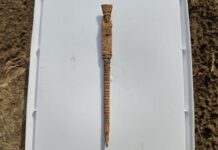
The naturally mummified remains, originally excavated in the 1970s near a pre-Hispanic mine in El Salvador, Chile, initially showed a fractured left leg bone – a possible sign of an accident. However, a comprehensive analysis wasn’t conducted until 2023. The mummy was found with grave goods, including a bow, arrows, and tools for consuming hallucinogenic drugs, suggesting the man was likely a working miner who also partook in rituals or medicinal use of substances.
Detailed Trauma from CT Scans
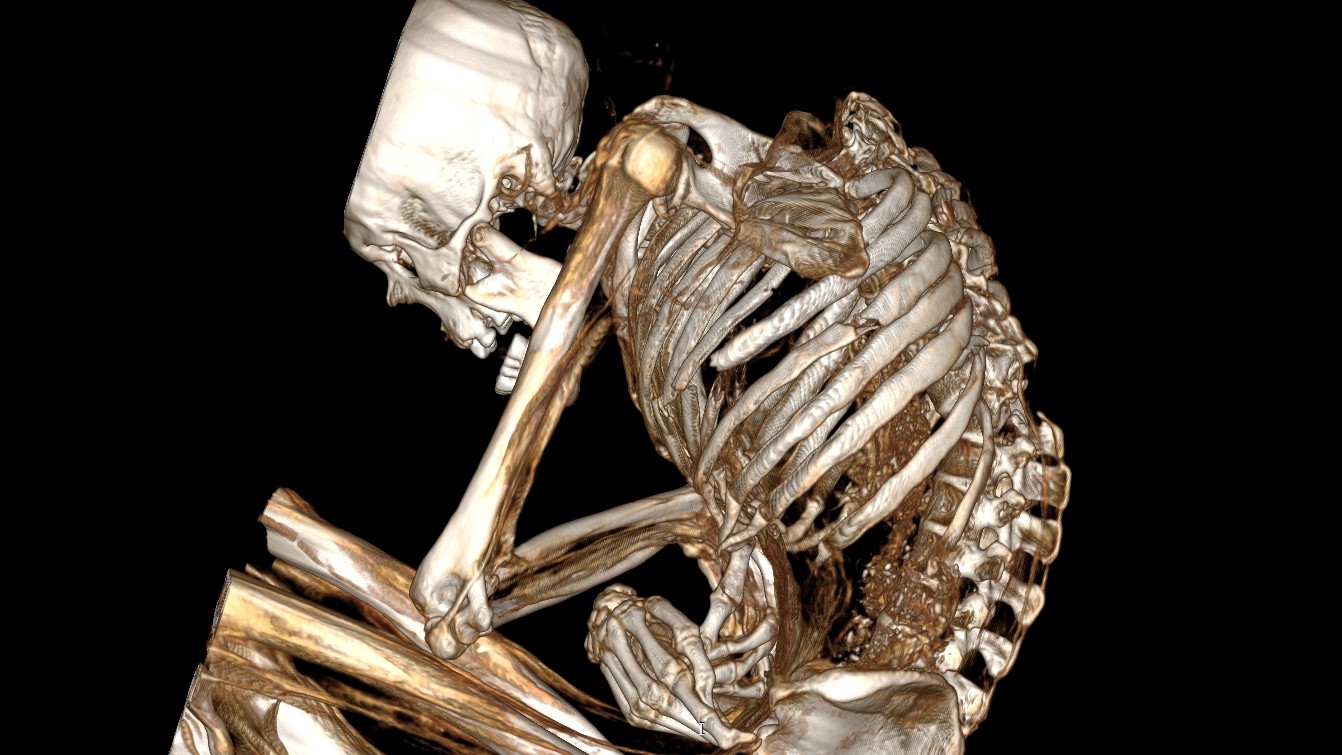
Archaeologists Catalina Morales and Francisco Garrido used advanced imaging to reveal the full extent of the injuries. The man, estimated to be between 25 and 40 years old at the time of death, suffered multiple severe fractures across his upper spine, ribs, shoulder blades, and collarbones. The damage suggests a massive blunt-force impact concentrated on his upper back, collapsing his rib cage and displacing vertebrae. Crucially, no injuries were found on his skull, neck, or arms, indicating he was likely in a crouched or head-down position when the accident occurred.
“It is likely that a miner would have entered the mine and used stone hammers to extract turquoise from the surrounding rock… In the event of a rockfall, there was no form of protection.”
Context: Turquoise Mining in the Andes
This death occurred during the Late Intermediate Period (A.D. 894–1016) in the Andes, a time between the decline of the Wari Empire and the rise of the Incas. Turquoise mining was a well-established practice for over 2,000 years in the Atacama Desert. Miners used primitive tools—stone hammers, wooden shovels, and baskets—to extract the gemstone. The turquoise beads were then traded along the extensive pre-Hispanic road system, making the stone valuable for both adornment and commerce.
Dangerous Conditions and Lack of Protection
Unlike modern mining operations, ancient mines lacked safety measures. Most were shallow open-air pits, but the El Salvador mine was an exception: it featured underground tunnels. This meant miners faced the constant threat of cave-ins without any protective gear. The position of the mummy’s injuries suggests he was actively working, possibly even trying to shield his head, when struck by falling rocks. The type of trauma is comparable to injuries seen in modern construction, forestry, or earthquake victims.
The Bigger Picture
This case highlights the harsh realities of resource extraction in pre-industrial societies. It wasn’t just a fatal accident; it was a systemic risk built into the occupation. The fact that such conditions persisted for millennia underscores how little value was placed on miners’ lives. Further research is needed to understand the full scope of their working conditions, but this mummy provides a grim, yet invaluable, piece of the puzzle.
The death of this miner serves as a sobering reminder: even in ancient times, the pursuit of valuable materials came at a terrible human cost.