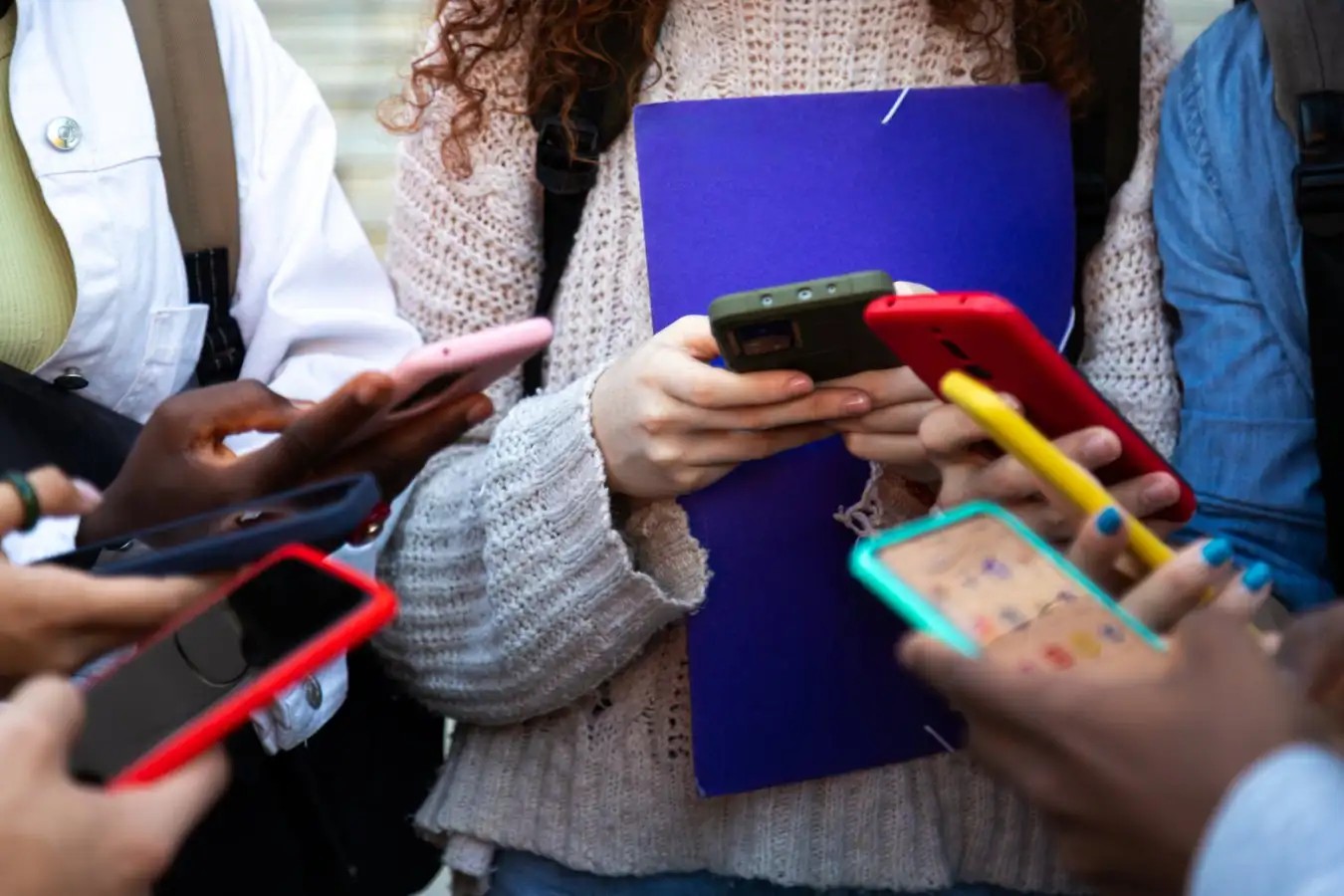
A groundbreaking research trial is set to investigate the real impact of social media use on teenage mental health. The study, launching in Bradford, UK, will track 4,000 adolescents aged 12–15, comparing those with restricted social media access to a control group using platforms freely. Results are expected by mid-2027, though governments may act before then.
Why This Matters: The debate over social media’s effects on youth is raging. While concerns about addiction, body image issues, and cyberbullying are widespread, definitive evidence linking screen time to mental health outcomes is still surprisingly weak. Australia has already banned social media for those under 16, and the UK is considering similar steps. This research aims to provide clarity.
The Trial Design
The study won’t simply impose bans. Instead, half of the participants will have their combined time on TikTok, Instagram, and YouTube limited to one hour daily, with a nighttime curfew (9 PM to 7 AM). The other half will continue unrestricted use. Crucially, randomization happens at the school level to minimize outside pressures — if one year group has restrictions, another won’t, avoiding the feeling of missing out.
Key Insight: Researchers collaborated with teenagers on the study’s design. Participants rejected outright bans, preferring controlled limitations. This approach reflects real-world feasibility, as teens would likely circumvent total restrictions anyway.
What Will Be Measured?
The study will monitor actual social media usage via a custom app, avoiding reliance on self-reported data. Researchers will gather data on anxiety, sleep patterns, social interactions, body image, school attendance, and bullying incidents.
The Bigger Picture: This research fills a critical gap in evidence. The UK government recently acknowledged the “lack of high-quality causal evidence” linking social media to mental health. This trial is welcome because it may help prevent hasty policy decisions based on speculation.
Beyond Restrictions: Holding Tech Accountable
Experts emphasize that limiting or banning social media isn’t the only solution. Forcing tech companies to prioritize user safety through enforcement of laws like the UK’s Online Safety Act could be more effective. Teens themselves recognize both the benefits and drawbacks of social media, expressing mistrust in platforms while admitting to compulsive use.
“The honest answer is that we don’t know [if restrictions help or harm], and that’s why studies like this are so important.” — Pete Etchells, Bath Spa University
Conclusion: This study is a much-needed step toward understanding the complex relationship between social media and teen well-being. The findings will be crucial for informing policy, guiding parental decisions, and ultimately ensuring that young people can navigate the digital world in a healthier way.