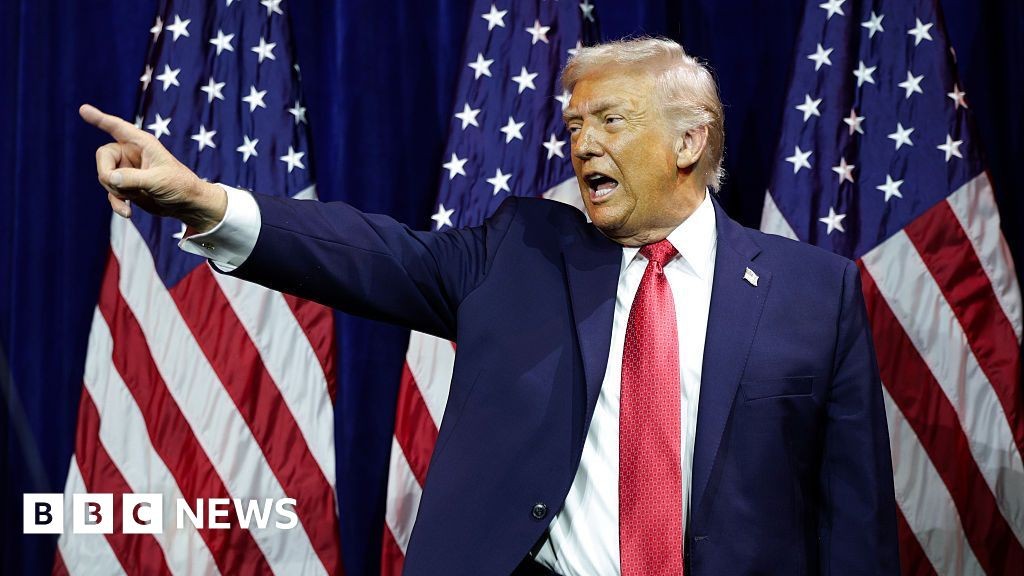
The United States, under former President Donald Trump, has officially withdrawn from dozens of international organizations, most notably including the UN Framework Convention on Climate Change (UNFCCC). This move represents a significant retreat from global cooperation on critical issues like climate change, development, gender equality, and conflict resolution.
Strategic Disengagement
Nearly half of the 66 affected entities are tied to the United Nations. The White House justified these withdrawals by claiming the groups no longer align with American interests, instead promoting what they termed “ineffective or hostile agendas.” The administration has consistently dismissed multilateral efforts as a waste of taxpayer money, particularly when they appear to conflict with the administration’s nationalist stance.
The decision to leave the UNFCCC — the foundational treaty for all international climate action — is especially notable. It reflects a broader pattern of rejecting scientific consensus, with Trump previously labeling man-made climate change a “hoax.” The Intergovernmental Panel on Climate Change (IPCC), the leading authority on climate science, has also been abandoned, raising concerns that U.S. scientists may face restrictions on participation in future studies.
Impact on Global Cooperation
The impact of this withdrawal extends beyond climate policy. The US has also exited organizations focused on clean energy, democratic governance, and counter-terrorism, signaling a shift away from collaborative approaches to international security and development.
European leaders have condemned the move, warning that it weakens global cooperation. EU officials have expressed regret over the retreat from the UNFCCC, highlighting its crucial role in driving climate action. Critics within the U.S. advocacy groups have characterized the decision as a further sign of an administration prioritizing isolationism over shared global challenges.
Legal and Future Implications
The US withdrawal from the UNFCCC will take one year to finalize, though effective participation had already ceased long before the formal announcement. The legal ramifications are uncertain, as the Constitution outlines how treaties are joined but not how they are withdrawn. This raises questions about whether a future administration could easily rejoin without Congressional approval.
The Trump administration’s actions follow previous withdrawals from the Paris Climate Agreement, the World Health Organization, and UNESCO. The long-term consequences of these moves remain to be seen, but they demonstrate a deliberate strategy of disengagement from international institutions.
This series of withdrawals underscores a fundamental rejection of multilateralism, potentially destabilizing global cooperation and hindering progress on critical issues that require collective action.