New research suggests that age-related changes in gut stem cells, specifically a process called Aging and Colon Cancer-Associated (ACCA) drift, may be a key factor in the increasing risk of colorectal cancer as people age. The study, conducted by an international team, reveals how subtle shifts in DNA markings—not the DNA itself, but how it’s read—can gradually silence genes that protect against tumor formation.
How Epigenetic Drift Works
The research highlights that ACCA drift isn’t a sudden event; it’s a slow accumulation of epigenetic changes. These changes involve alterations to DNA methylation, which acts like a switch controlling gene activity. Over time, inflammation, reduced growth signaling, and low iron levels in gut stem cells disrupt the system that maintains these markings. This leads to the silencing of critical tumor-suppressing genes, creating pockets of vulnerability within the gut lining.
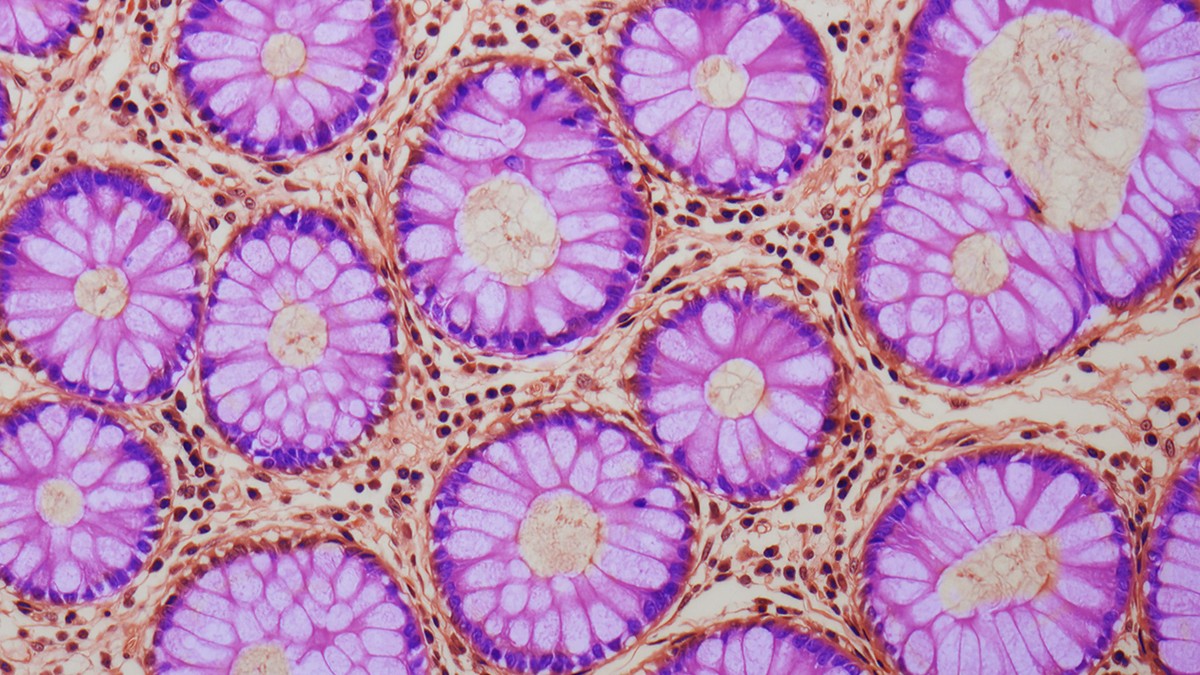
The danger zones start in the intestinal crypts, small pockets in the gut where stem cells renew tissue. As these crypts divide, the older, cancer-prone epigenetic profiles spread, slowly enlarging areas of increased risk. This process doesn’t happen overnight; it builds up over years, making early detection difficult.
Why This Matters
Colorectal cancer rates increase with age, and this study provides a biological explanation for that trend. It suggests that the gut doesn’t just become more vulnerable with time, but actively changes in a way that makes cancer more likely. The key takeaway is that epigenetic drift isn’t necessarily a fixed fate; it can be influenced.
Reversing the Drift?
Experiments on organoids (mini-guts grown in labs) show promising results. Boosting iron uptake or restoring cell growth signals could slow down, and even partially reverse, the epigenetic drift. This suggests potential interventions to delay or prevent the process.
“This means that epigenetic aging does not have to be a fixed, final state,” says molecular biologist Anna Krepelova. “For the first time, we are seeing that it is possible to tweak the parameters of aging that lie deep within the molecular core of the cell.”
These findings offer a new understanding of how cancer develops and suggest that targeting epigenetic mechanisms may be a viable strategy for reducing risk. The next step is to determine how these interventions translate to humans and whether they can be integrated into preventative measures.