The period between Christmas and New Year’s Eve offers some of the clearest and most rewarding nights for stargazing in the Northern Hemisphere. From planetary alignments to deep-sky wonders, here’s a day-by-day guide to the celestial events you won’t want to miss. Whether using a telescope, binoculars, or just your eyes, the coming weeks promise spectacular views.
December 24: A Waxing Crescent Moon
Christmas Eve brings a delicate crescent moon to the southwest sky. Roughly 20% illuminated, the moon displays Earthshine – sunlight reflected onto its dark side – creating a subtle glow. Binoculars or a small telescope reveal craters and shadows along the terminator (the line between light and dark). Look to the left for Saturn above and Fomalhaut below.
December 25: Jupiter – The Christmas Star
On Christmas Day, Jupiter shines brightly in Gemini as the most prominent planet in the night sky. Visible to the east after dark, it outshines all other objects except the moon. This is an ideal time to observe Jupiter, as it approaches opposition on January 10, 2026. A small telescope can reveal cloud bands, while a 6-inch telescope may show the Great Red Spot.
December 26: Moon and Saturn in Conjunction
Boxing Day features a beautiful pairing of the waxing crescent moon and Saturn. Separated by only four degrees (about the width of three fingers held at arm’s length), the two appear close together. Saturn appears as a steady, golden point of light, but requires a small telescope to see its rings.
December 27: Lunar Lava Plains at First Quarter
The moon reaches its first quarter phase in the southern sky tonight. While increasing brightness will soon make fainter objects harder to see, this is prime time to explore the lunar surface with binoculars. The terminator creates dramatic shadows across the maria, ancient lava plains that appear as dark patches on the moon.
December 28: The Rosette Nebula
For those with a small telescope, the Rosette Nebula (NGC 2244) in Monoceros is a must-see. Located near Betelgeuse in Orion, this emission nebula – energized by nearby stars – appears flower-like through binoculars in dark skies or easily in a small telescope. The nebula is about three times the diameter of the full moon.
December 29: Orion’s Snake
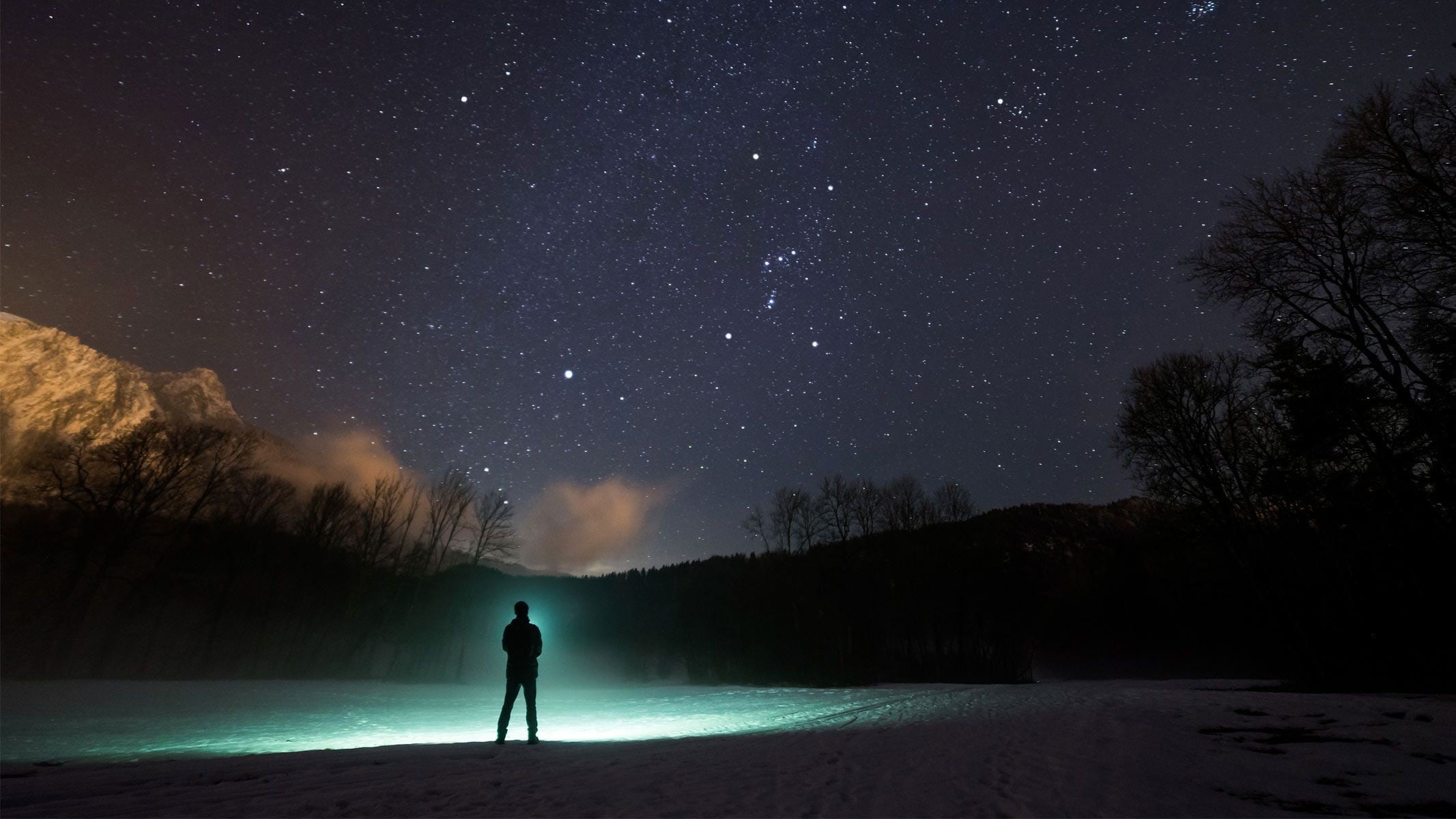
Orion’s Belt (Alnitak, Alnilam, and Mintaka) dominates the eastern sky. Binoculars reveal subtle riches in this region, including a delicate chain of faint stars curving across the field of view, often called “Orion’s Snake.” The Great Nebula in Orion (M42) is also visible nearby.
December 30: Jupiter’s Galilean Moons
Jupiter’s opposition makes it ideal for observing its four largest moons: Io, Callisto, Ganymede, and Europa. These Galilean moons – first spotted by Galileo Galilei in 1610 – appear as tiny pinpricks of light even through small telescopes or binoculars.
December 31: Pleiades and the Moon
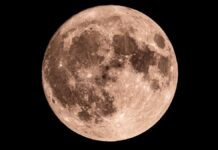
The final night of the year brings a conjunction of the moon (92% illuminated) and the Pleiades star cluster (M45). The Pleiades, also known as the Seven Sisters, appears just above the moon. While moonlight may dim its visibility, binoculars will bring these stars into sharp focus.
This December offers a unique chance to witness some of the most beautiful celestial events visible from Earth. Whether you’re an experienced astronomer or a curious beginner, the coming weeks promise a night sky full of wonder.