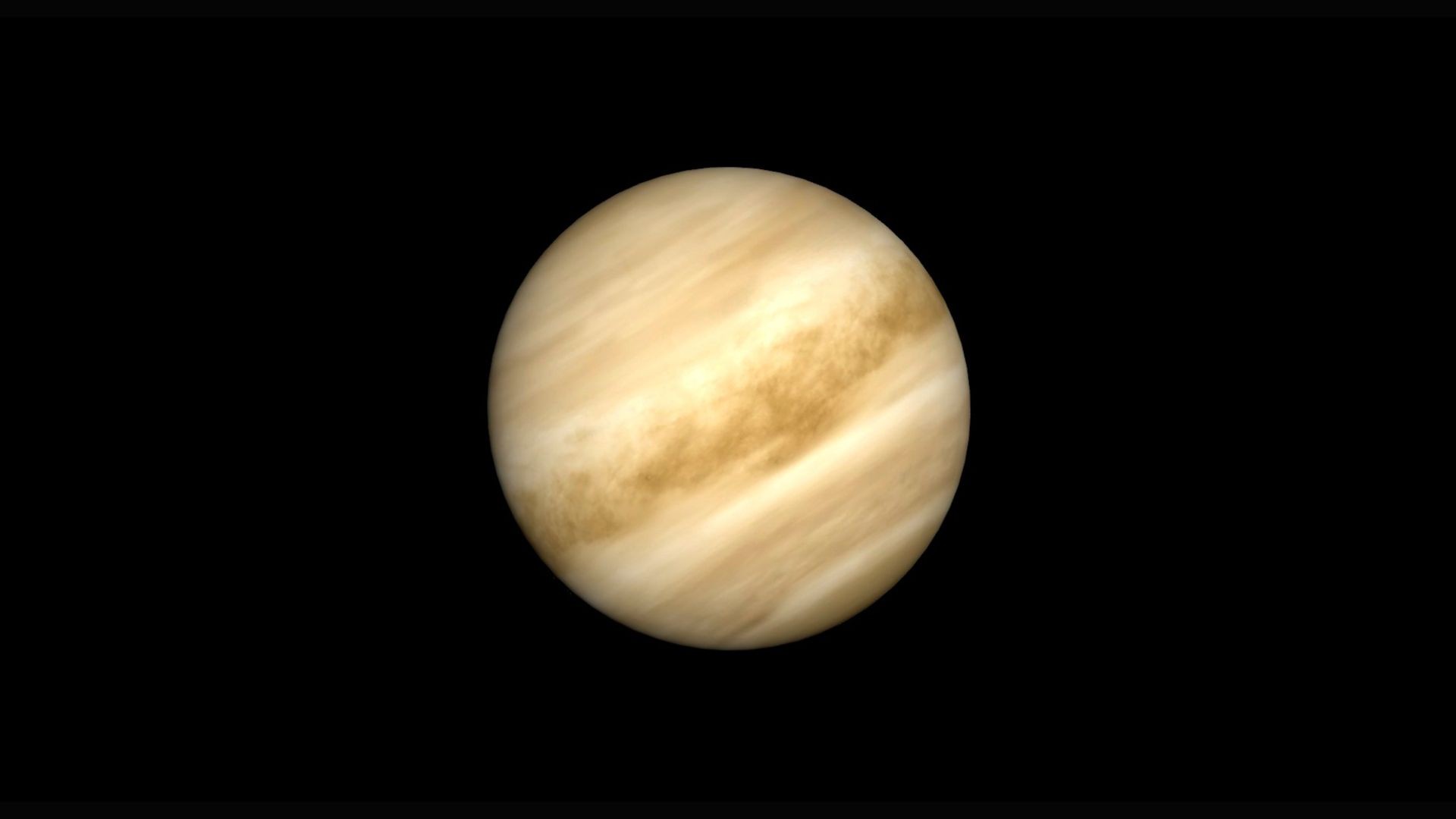
Venus has passed behind the sun from Earth’s perspective today, January 6th, in a phenomenon called a superior solar conjunction. This means the planet is now transitioning from being a visible morning star to an evening star – though it will remain hidden in the sun’s glare for several weeks.
What is a Superior Conjunction?
Planets orbit the sun at different speeds and distances. Venus, being closer to the sun than Earth, appears to swing back and forth between evening and morning visibility. A superior conjunction happens when Venus lines up directly behind the sun from our viewpoint. This doesn’t mean Venus disappears forever; instead, it moves out of our line of sight as it orbits.
The conjunction occurred at 12:10 PM EST (17:10 GMT) today, also marking Venus’s furthest point from Earth in its orbit. This timing is predictable, as Venus’s orbit is well-understood by astronomers.
Why Can’t You See It?
The sun’s brightness makes Venus invisible during these events. Whether it’s a superior (behind the sun) or inferior (between Earth and the sun) conjunction, the glare overwhelms any chance of spotting the planet. This isn’t unusual; Venus routinely disappears from view as it follows its orbit.
When Will Venus Return?
Venus is expected to reappear in the evening sky by February. It will reach its highest point in the evening sky on June 5th. For those interested in observing Venus, telescopes designed for planetary viewing will enhance the experience, especially as the planet displays moon-like phases over the coming months.
The superior conjunction is a natural part of Venus’s orbit, not an anomaly. It highlights the dynamic relationship between Earth and its neighboring planet, reminding us that even familiar celestial objects have hidden cycles.