
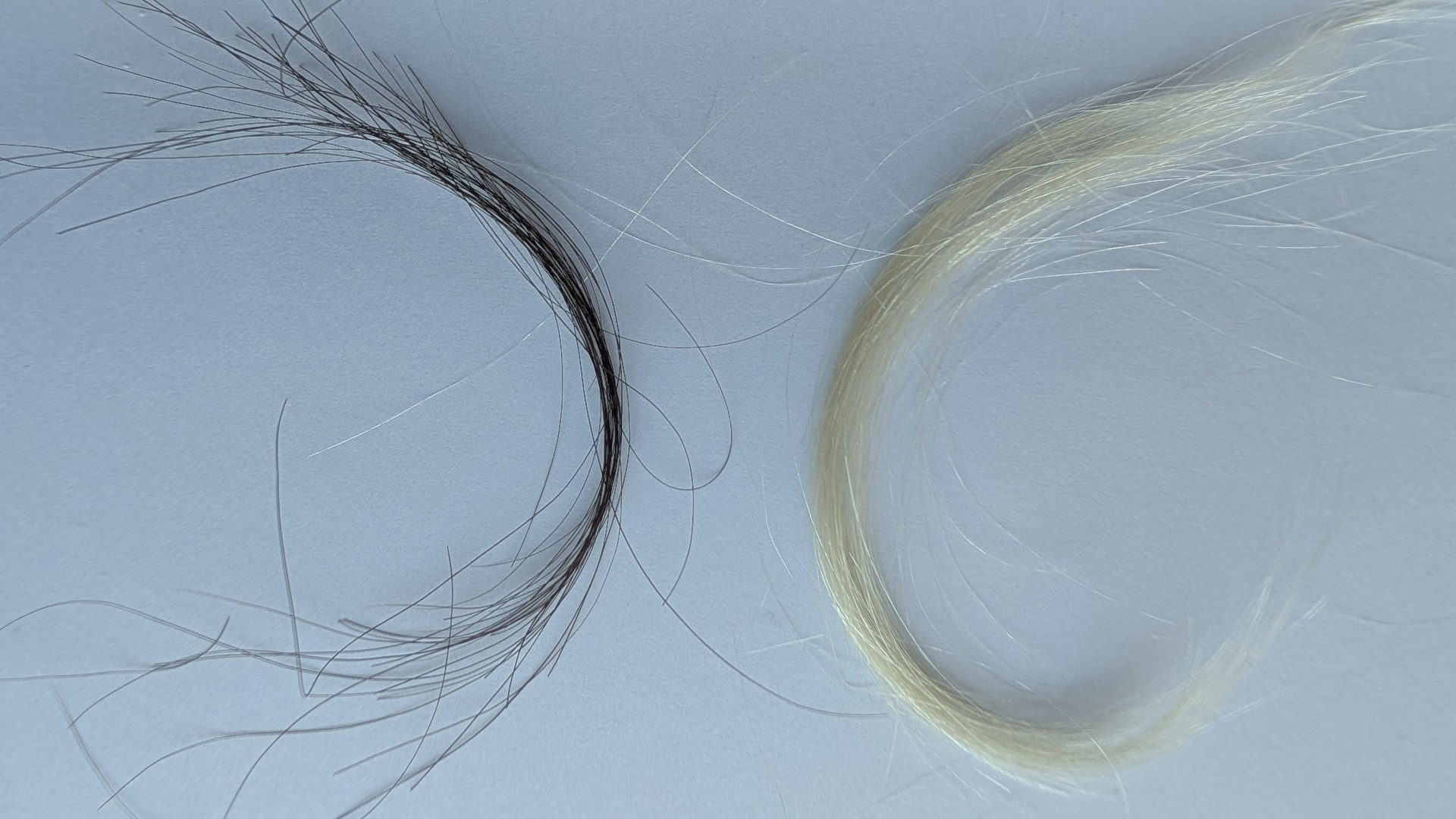
For centuries, lead has been used in industry and everyday products, but its toxic effects were not fully understood until recently. A new study using historical hair samples demonstrates how effectively environmental regulations reduced public exposure to lead once its dangers became clear. Researchers analyzed hair samples spanning 100 years to document a drastic decline in lead levels after the establishment of environmental protections.
The Historical Problem: Lead in the Environment
The study, published February 2 in PNAS, examined hair samples from 47 individuals in the Salt Lake City region, comparing childhood hair preserved in family scrapbooks to current samples. Using mass spectrometry, researchers found that lead concentrations were approximately 100 times higher before regulations than after their implementation.
Lead exposure poses severe health risks, including neurological damage, developmental delays, fertility issues, and high blood pressure. There is no safe level of exposure; even small amounts can be harmful. The primary source of lead contamination in the first half of the 20th century was leaded gasoline. Despite warnings from the U.S. Public Health Service as early as 1925, leaded gasoline remained in use until 1996.
The Turning Point: EPA Regulations
The establishment of the U.S. Environmental Protection Agency (EPA) in 1970 marked a turning point. The EPA’s regulations led to an immediate decrease in lead exposure, as confirmed by the hair sample analysis. Salt Lake City, with its two active lead smelter sites, saw especially high lead concentrations from 1916 to 1969. Once the EPA was established and the smelters were closed, lead levels fell by two orders of magnitude.
The researchers emphasize that while hair analysis does not directly measure blood lead levels (the standard for toxicity assessment), it provides a clear picture of overall environmental exposure. Lead from sources such as exhaust pipes lingers in the air, accumulating in hair and entering the lungs.
Lessons and Future Concerns
The study underscores the effectiveness of science-based environmental regulations in controlling toxic pollutants. However, the researchers warn that these protections are now at risk of being rolled back. A March 12, 2025 announcement by President Donald Trump promised deregulation of EPA provisions, potentially undermining clean air, land, and water standards. This move could reverse decades of progress in reducing lead exposure and other environmental hazards.
“We should not forget the lessons of history,” warns study co-author Thure Cerling. “Those regulations have been very important.”
The historical hair study serves as a stark reminder that lax environmental standards lead to unhealthy lead levels, but these levels can be effectively managed through informed policies. The findings highlight the importance of maintaining and strengthening environmental regulations to protect public health.