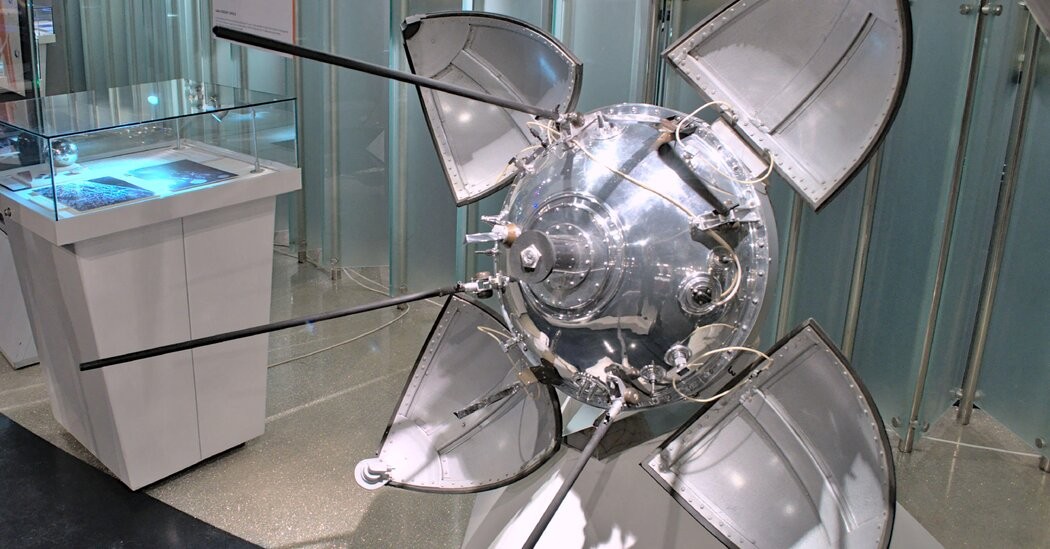
In 1966, the Soviet Union achieved a historic first: the first soft landing on the Moon. The lander, Luna 9, was no massive machine but a beach-ball-sized robot. After bouncing to a stop on the lunar surface, it deployed four petal-like covers, revealing a camera that transmitted the first-ever images from another world.
For decades, the exact location of Luna 9 has been lost to time. The spacecraft’s whereabouts remained a mystery despite its groundbreaking achievement. Now, however, two independent research teams believe they may have pinpointed the lander’s final resting place.
The key detail? The teams disagree on the precise location. One team, using modern lunar reconnaissance imagery, suggests Luna 9 landed in the Ocean of Storms. Another team, analyzing archival data and subtle surface anomalies, believes it rests in a different area of the Moon.
The significance of finding Luna 9 extends beyond historical curiosity. It validates the early Soviet space program’s success and offers insight into the degradation of spacecraft materials over nearly six decades in the harsh lunar environment. The teams’ debate underscores the challenges of retracing historical footprints in space, as even with advanced technology, pinpointing small, decades-old relics on the Moon remains difficult.
The discovery, even if disputed, highlights a renewed interest in lunar heritage and the ongoing efforts to map and understand the traces of humanity’s first steps beyond Earth.