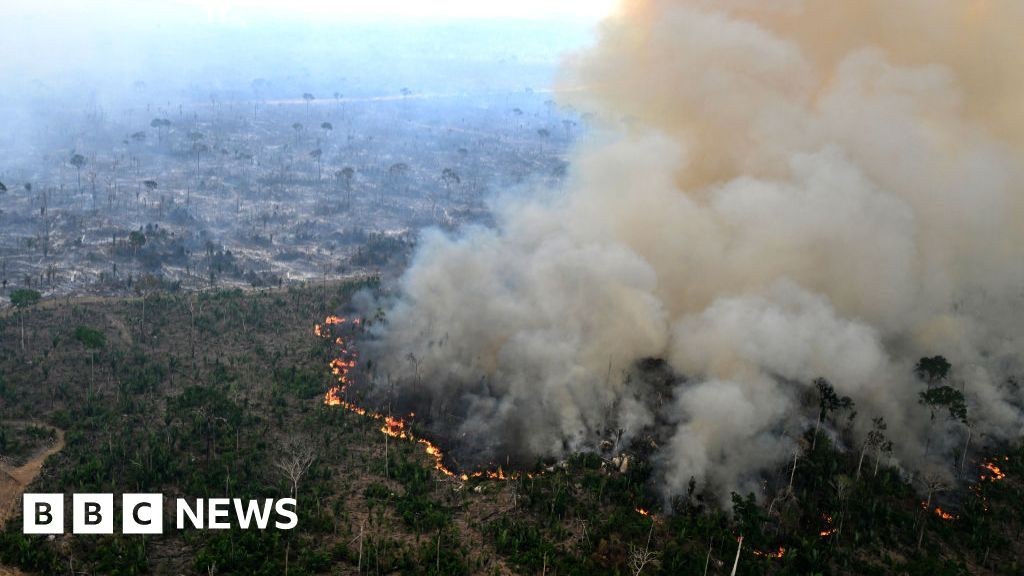
Companies face an unavoidable reality: continued destruction of the natural world will lead to their own collapse. A landmark new report from the Intergovernmental Science-Policy Platform on Biodiversity and Ecosystem Services (Ipbes), endorsed by 150 governments, warns that businesses must shift toward nature restoration or risk extinction alongside the species they depend on.
The Hidden Dependence on Nature
The report underscores a critical, often overlooked fact: all businesses rely on free ecosystem services. These include clean water, fertile soils, pollination, and climate regulation. These services are foundational to every industry, yet biodiversity loss is accelerating at an alarming rate. Ipbes co-author Matt Jones points out that companies can no longer afford to ignore this link, as their long-term survival is now directly tied to ecological health.
The Economic Incentive for Destruction
The current economic system often incentivizes degradation over preservation. As co-chair Prof. Stephen Polasky explains, it’s frequently more profitable for companies to deplete natural resources than to protect them. This twisted logic ensures that biodiversity loss continues while short-term profits are prioritized. The report suggests that this unsustainable approach ultimately undermines the very foundations of business itself.
From “Nice-to-Do” to “Must-Do”
For many UK companies, sustainability is no longer optional. Leigh Morris of The Wildlife Trusts stresses the need for clear metrics and tools that enable businesses to measure and improve their impact on biodiversity. This transition requires a fundamental shift in mindset, moving beyond superficial gestures toward meaningful change.
Nature-Positive Practices in Action
Successful integration of business and conservation is already happening. Steart Marshes in Somerset illustrates how farming and wildlife management can coexist. Farmers manage grazing patterns to create optimal habitats for birds, insects, and plants. The result? Healthier ecosystems and higher-quality agricultural products. Alys Laver of the Wildfowl and Wetlands Trust notes that this is not a loss for farmers but a necessary evolution. The same approach provides natural flood protection for local communities.
The report makes it clear: ignoring nature is no longer a viable business strategy. Companies must actively invest in restoration to secure their own future.
The Ipbes findings serve as a stark warning. The fate of businesses is now inextricably linked to the fate of the planet. This is not merely an environmental issue; it is a matter of economic survival.