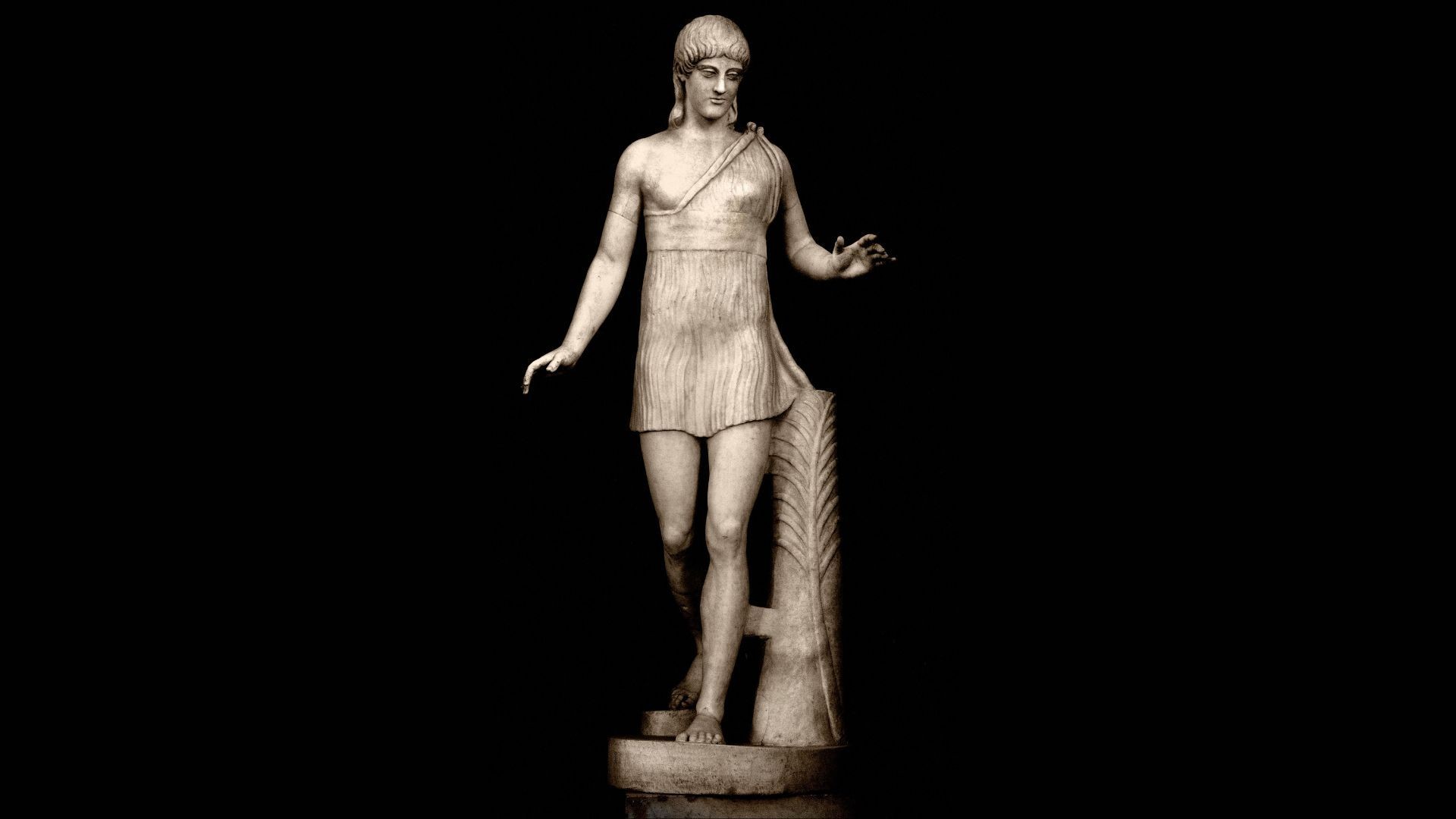
For centuries, the image of the ancient Olympic Games has been dominated by tales of male strength and competition. But did women ever participate in these legendary events, or in other athletic contests of the ancient Greek world? The answer, as historical and archaeological evidence reveals, is more complex than popular imagination suggests. While the main Olympic Games largely excluded women, athletic opportunities did exist for them – though often in separate, and sometimes surprisingly intense, competitions.
The Strict Exclusion of the Olympic Games
The most famous of the ancient Greek games, the Olympics (held from 776 B.C. to A.D. 393), maintained a strict policy of excluding women. Historical sources, like the second-century A.D. writer Pausanias, document a brutal enforcement of this rule: women caught attending the games faced severe punishment, even being thrown from cliffs. This restriction was rooted in the cultural norms of the time, which sharply divided public and private spheres by gender.
However, this exclusion was not absolute. Wealthy women could enter chariot teams into the Olympics, claiming victory through ownership rather than direct participation. The first known female Olympic victor was Kyniska of Sparta in 396 B.C., who won as the owner of a winning chariot team. An inscription celebrated her as “the only woman in all Greece” to achieve this feat.
The Heraean Games: A Dedicated Women’s Competition
Despite the restrictions at the main Olympics, women did compete in dedicated athletic events. The most prominent of these were the Heraean Games, held in honor of the goddess Hera at Olympia every four years. These games featured footraces for unmarried girls divided into age categories. Pausanias describes the participants running with hair let down, tunics above the knee, and one shoulder exposed – depictions of which have been found on ancient artifacts. Winners received olive wreaths and a share of a sacrificed cow, with some even erecting statues in their honor.
Footraces for women were also common at other Greek sites, demonstrating a wider participation than previously believed.
Beyond Running: Wrestling, Pankration, and Roman-Era Expansion
Evidence suggests female athletes engaged in sports beyond running. Literary sources and archaeological findings indicate women wrestled, sometimes even naked, as described by the poet Propertius in Sparta, where wrestling was part of girls’ education. The brutal mixed martial art of pankration may also have been practiced by women in Sparta, though evidence remains limited.
Under Roman rule (starting in the second century B.C.), female athletic competitions appear to have increased. Inscriptions from this period mention women winning footraces and chariot races, with some even awarded citizenship for their victories. One notable example is Hedea, a first-century A.D. athlete from Kos, who won multiple races and was listed among the elite members of a wrestling school.
The Legacy of Female Athletes
The historical record reveals that ancient Greek women were not entirely excluded from athletics. While the main Olympic Games remained largely inaccessible, dedicated competitions like the Heraean Games provided opportunities for female athletes to compete and gain recognition. The evidence also suggests that women participated in other sports, such as wrestling and chariot racing, sometimes even achieving elite status.
The story of women in ancient Greek athletics is a reminder that even within the strictest cultural norms, human ambition and athletic spirit found ways to break through. This legacy challenges the traditional narrative of the ancient world and highlights the enduring presence of women in sports history.