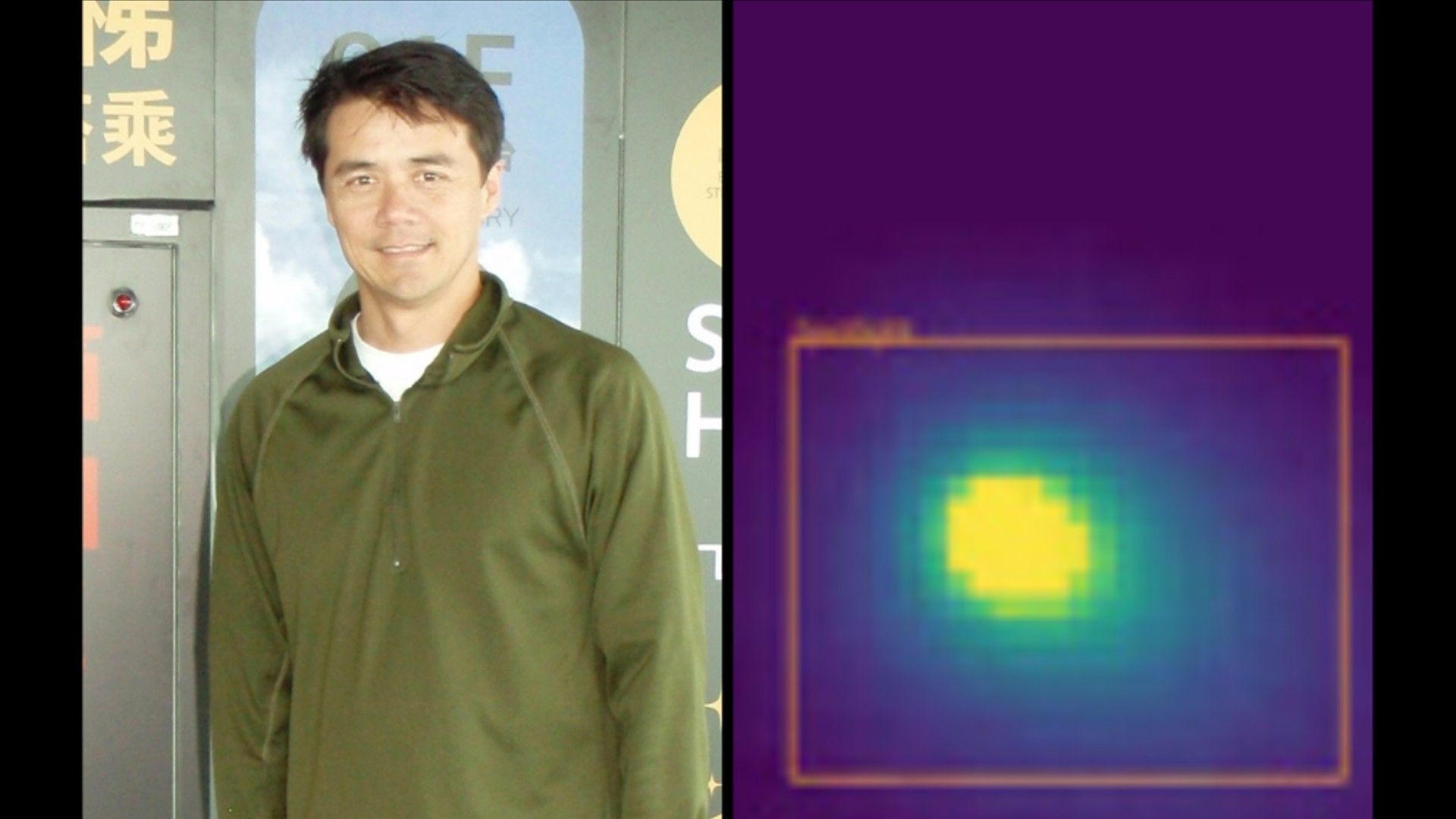
A routine night for astronomer Larry Denneau turned extraordinary when his software flagged an unusual object passing through our solar system – the third confirmed interstellar visitor ever observed. Denneau, a senior software engineer at the University of Hawaii’s Institute for Astronomy, discovered 3I/ATLAS on July 1, 2025, using data from the Asteroid Terrestrial-impact Last Alert System (ATLAS) telescope network. The system is designed to detect moving objects in the night sky, filtering out background stars and galaxies to identify potential asteroids or comets.
How the Discovery Happened
Denneau’s role is to review candidate detections flagged by automated systems. On that night, 3I/ATLAS initially appeared as a typical Near Earth Object (NEO). Following protocol, he submitted the data, unaware of its significance. The following day, while servicing a telescope offline, excitement built within the astronomy community around the strange object’s trajectory. By the time he checked his inbox, hundreds of observations from telescopes worldwide confirmed that 3I/ATLAS originated beyond our solar system.
Interstellar Objects: A Rare Sight
Unlike asteroids or comets bound to our sun, interstellar objects like 3I/ATLAS come from other stars and only briefly pass through our system. The first such visitor, 1I/’Oumuamua, was discovered in 2017, followed by 2I/Borisov in 2019. Detecting these objects requires software that isolates moving points of light against a fixed starry background. The process isn’t foolproof: crowded regions of the sky can hide these objects until they move into clearer space.
The Role of Software in Modern Astronomy
Denneau’s background is more engineering than traditional astronomy, with a degree in electrical engineering and a later Ph.D. in astrophysics. His expertise lies in developing the software pipelines that modern sky surveys rely on. He emphasizes that, after telescope construction, astronomy becomes a software-intensive field. The ATLAS system processes terabytes of data nightly, requiring robust security and archiving systems.
Avoiding False Alarms
ATLAS prioritizes reliability, aiming to eliminate false detections that could waste telescope time. The software is designed to flag potential objects with high confidence before alerting other observatories. Denneau highlights the importance of minimizing false positives to ensure efficient use of limited telescope resources.
Previous Discoveries
Just months before discovering 3I/ATLAS, Denneau detected near-Earth asteroid YR4 using the same system. While initially flagged as a potential Earth impactor, further study revealed no significant threat. The discovery of 3I/ATLAS was complicated by its initial position in a dense star field, which delayed confirmation until it moved into a clearer part of the sky.
Interstellar objects remain rare but invaluable opportunities to study material from other star systems. In this case, the discovery stemmed not from a dramatic observation but from software, data analysis, and a single click at the right moment.