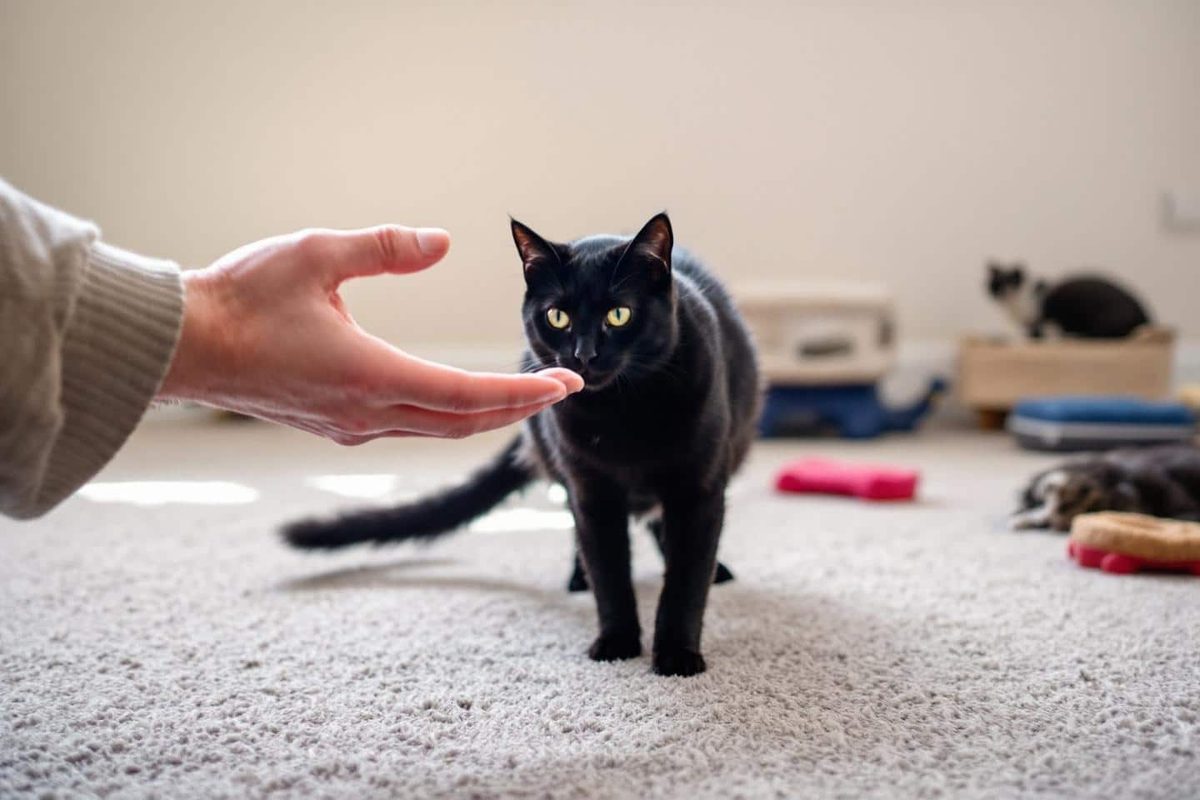
A purring, cuddly cat is the norm in French households. It’s familiar. It’s soothing. But what happens when this loving animal suddenly withdraws? When does it avoid your hand? If it prefers isolation to interaction?
This silence is never an accident. It’s never just a whim.
A sudden change in behavior is a warning sign. It often means physical discomfort or an emerging health problem. You don’t need to talk to your cat to understand her pain. You just need to know where to look.
Interpreting subtle signs of behavior change
Cats are not talkative creatures. They don’t complain loudly. But their body language is loud and clear.
If a sociable cat suddenly refuses affection, there is an imbalance. Even independent cats depend on routines. Refusing to be petted or tending to isolate is rarely just a bad mood. Behind this distance are messages that you must learn to read.
Look carefully.
- Ears pinned back
- Averting its gaze
- Tail twitches nervously
These are not small things. They are data points. They reveal intent.
Stress vs. Deep Discomfort: Know the Difference
Stress is part of home life. A new pet. A move. Change to the schedule. These factors can lead to a temporary distance. The cat pulls away to cope.
However, if cuddling is still avoided, don’t blame the routine.
Deep malaise is accompanied by other symptoms. Search for:
- Loss of appetite
- Dull, unkempt fur
- Lack of interest in play
- Excessive grooming
At this point, dismissing the behavior as “sulking” is a dangerous mistake. The risk is too great.
Pain or illness: silent indicators
Cats in pain are subtle. Unlike dogs, they don’t whine or howl. They hide.
You may notice small, plaintive meows when you touch. A hunched back. Difficulty jumping. Trouble moving. These are red flags. The animal may flee light or look for dark corners. This indicates significant discomfort.
Any unusual changes in behavior require vigilance. Don’t ignore it.
Common health problems associated with this avoidance include:
- Arthritis: Arthritis, especially in older cats.
- Dental problems: Gingivitis, abscesses or tartar pain.
- Skin problems: Infections or parasites such as fleas and dermatitis.
- Internal diseases: Early kidney failure, cystitis or digestive disorders.
- Hidden trauma: Invisible blows that cause lingering pain.
Ignoring an incipient illness under the guise of respecting a moody pet is negligent. A vet can reveal silent suffering. Early intervention is key.
Protecting health and trust: the right response
If abnormal behavior persists, veterinary consultation is essential.
The exam is not optional. You need palpation. Blood tests or X-rays may be necessary. These steps remove the uncertainty. Don’t wait for the situation to get worse. The best way to protect your cat’s health is to report any abnormalities, no matter how small.
Once medical causes are ruled out or treated, rebuilding trust becomes the primary goal.
Your cat needs space. It needs a calm environment. Limit unnecessary handling so that peace can be restored.
Gradually reconnect:
- Use a feather wand to arouse curiosity without forcing contact.
- Offer treats from a distance to encourage voluntary approach.
- Place a blanket infused with your scent nearby.
- Make sure the litter box is clean and the environment is quiet, especially during recovery.
Patience is non-negotiable. Gentleness is required.
Slowly restore cuddling rituals. Respect the animal’s pace. Rebuild the relationship on their terms.
Conclusion
Paying attention to the warning signs protects more than just daily affection.
By detecting silence or distance, you can detect insidious health problems early. You offer your cat the best chance to regain well-being.
The next time your partner avoids touch, do not label it as capricious. Ask why.
This behavior may be due to physical pain or the early stages of illness. It requires reflection. It demands care. For the sake of the bond and the welfare of the animal, take a closer look.