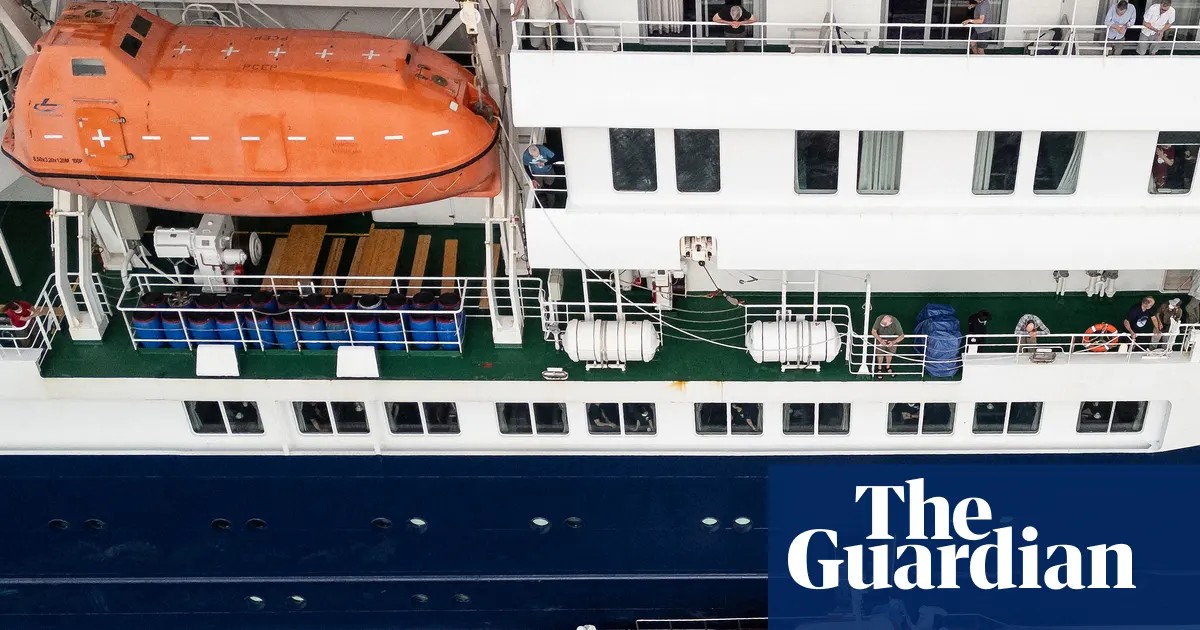
Two British nationals evacuated from the MV Hondius cruise ship, which is currently grappling with a hantavirus outbreak, are showing signs of improvement. This development offers a glimmer of hope amidst a complex international health incident that has claimed three lives and left dozens stranded.
Patient Status and Medical Updates
The World Health Organization (WHO) confirmed positive progress regarding the British patients who received specialized care abroad.
- In South Africa: A 69-year-old British man, evacuated on April 27, is receiving treatment at a private facility in Sandton, Johannesburg. Dr. Maria Van Kerkhove of the WHO stated that this patient is “doing better.”
- In the Netherlands: Martin Anstee, a 56-year-old expedition guide and former police officer, was flown to the Netherlands for specialist care. Along with two other patients, he remains stable. Speaking from his hospital isolation ward, Anstee reported, “I’m doing OK. I’m not feeling too bad,” though he noted that testing is ongoing and his stay could be lengthy.
As of Thursday, there are eight suspected cases of hantavirus on the ship, with five confirmed by laboratory tests. The virus, carried by rodents, is rare but serious. The outbreak is linked to a birdwatching excursion to Argentina, Chile, and Uruguay that two passengers undertook before boarding.
Why This Matters: Understanding the Risk
While the immediate number of cases is low, the situation raises significant questions about incubation periods and containment. Hantavirus, specifically the Andes virus variant linked to this outbreak, has an incubation period that can last up to six weeks, and potentially up to eight weeks in extreme cases.
Key Insight: The WHO assesses the public health risk to the general population as low. However, because of the long incubation period, cases may still emerge among passengers and crew who appeared healthy when they left the ship.
This latency creates a logistical challenge for health authorities. It necessitates strict isolation protocols and extensive contact tracing, not just on the ship, but for anyone who had close contact with affected individuals during travel or repatriation.
The Ship’s Journey and Onboard Measures
The MV Hondius departed Cape Verde on Wednesday afternoon, heading toward Granadilla port in Tenerife, Canary Islands. It is expected to arrive in the early hours of Sunday. Spanish authorities have granted permission for the ship to dock, despite initial concerns from local officials and residents.
Morale among the remaining passengers and crew has reportedly improved since the decision to sail to Tenerife was made. To manage the outbreak, the ship is now carrying:
* Two doctors.
* Infectious disease experts from the WHO.
* Specialists from the European Centre for Disease Prevention and Control (ECDC).
These experts are conducting comprehensive medical assessments of everyone on board to identify potential cases early.
Repatriation and Isolation Protocols for Britons
The UK Health Security Agency (UKHSA) and the Foreign Office are coordinating the return of British nationals.
- Onboard Passengers: Nineteen British nationals and four crew members were listed on the manifest. None are currently reporting symptoms, but they are under close monitoring. The Foreign Office is arranging a charter flight to repatriate asymptomatic British passengers once the ship docks in Tenerife.
- Isolation Requirements: Upon return, British passengers will be required to self-isolate for 45 days (approximately six weeks) in the UK. This period aligns with the consensus on the maximum likely incubation window.
- Previously Disembarked: Seven British citizens left the ship earlier at Saint Helena. Two who have already returned to the UK are isolating at home and are symptom-free. Contact tracing is underway for individuals who may have sat next to them on flights home.
Emerging Cases and Historical Context
The outbreak has had ripple effects beyond the ship. A Dutch woman who died during repatriation travel was accompanied by her husband’s body; a flight attendant in Amsterdam who had contact with her has since come forward with potential symptoms.
Dr. Abdirahman Mahamud, WHO director for alert and response coordination, emphasized that an epidemic is not expected. He drew parallels to a similar hantavirus outbreak in Argentina in 2018–2019, which resulted in 34 cases. This historical context helps frame the current incident as a contained cluster rather than a widespread pandemic threat.
Conclusion
The hantavirus outbreak on the MV Hondius remains a serious but manageable incident. With the most severely ill patients stabilizing and the ship nearing a safe port in Tenerife, the focus has shifted to strict isolation and monitoring. While the risk to the general public is negligible, the long incubation period of the virus means that vigilance and adherence to isolation protocols will remain critical for weeks to come.