July in London is sweltering. In more ways than one. Life, death, the messy sensory experience of being human, these are the big themes. And AI? It is there. Looming large. One forensic scientist worries. Ethicists are paid to worry too.
Volcanoes seem safe in comparison. Pharmacology looks stable. I want that safety.
Artificially Yours
Can you be friends with a bot? Artificially Yours: Real friendship in a world of chatboats by Valerie Tiberius asks if digital friendship holds water against flesh and blood. Tiberius, a philosophy professor at the University of Minnesota, argues for the human case. Friendship means shared activities. Care for the person’s own sake.
Shannon Vallor calls the book a “nuanced philosophical survey”. That is a good review. Or at least a careful one. Will humans always have an edge? Or will simulation get good enough to trick us into caring?
Timor Mortis
Gloomy? Maybe. Timor Mortis: How we live with death by Richard Coker hits close to home. Literally. Fear of death is the title. The topic is end-of-life care. Coker, a public health doctor at the London School of Hyge & Tropical Medicine, has seen it. He treated TB patients. He worked with HIV/AIDS patients. Now he writes.
He probes biology, psychology, history. What is a good death? How do we live in a hyperteched age while staring at our own expiration date?
Volcanoes
The What Everyone Needs to Know series does it again. Volcanoes by Tamie Jovanelly covers the basics we are too shy to ask. Where do they live? Can we predict an eruption? Can we steal their energy?
Jovanelly has two decades of global research. There are 1350 active volcanos. Fifty to seventy erupt every year. Add climate change and the math gets complicated. She includes GPS coordinates. HD photos of minerals. An appendix of 100 active volcanos. Useful stuff.
Drugs
Over 5 billion prescriptions in the US. Over 1 billion in the UK. People are popping pills. But do they know why?
Drugs: The story of pharmacology by Rod Flower explains the history. From healing herbs to a $2 trillion industry. Flower is an emeritus professor at Queen Mary University. He focuses on inflammation. This book builds context. It shows how drugs work in detail. How they are made. Why scientists think they work as advertised. It pairs well with Nick Barber’s How to Take Drugs, which came out in May.
Data is power. Always has been.
Data Empire
Clay tablets in Mesopotamia. Knotted strings. The algorithmic state. It is all about control. Data Empire: How information shaped history by Roopika Risam traces this lineage. Who gets recorded? Who gets left out? States used data to govern empires. Now tech giants extract it.
Risam teaches at Dartmouth. She offers perspective. Lewis Dartnell calls the book “Groundbreaking and provocative”. Jaron Lanier calls it the “new history of mankind”. We are staring at pervasive, extractive tech. What are we going to do about it? Risam thinks we need answers. Now.
The Small Stuff
We have efficiency. We have excess. We have fear of missing out. We have soulless design.
Ian Bogost disagrees. The Small Stuff argues for reinvesting in the material world. Digital tickets? Bad. Automated taps? Worse. We are losing simple pleasures. Small, satisfying tasks that ground us. Bogost is an academic and Atlantic columnist. He wants you to interact with labor-creating devices again. Smell the roses. But also do something with your hands. Flat giant screens can wait.
Our Wild Familiars
Rats. Foxes. Roaches. Kudzu vines. They live with us. The Greeks had a word: synanthrope. With humans.
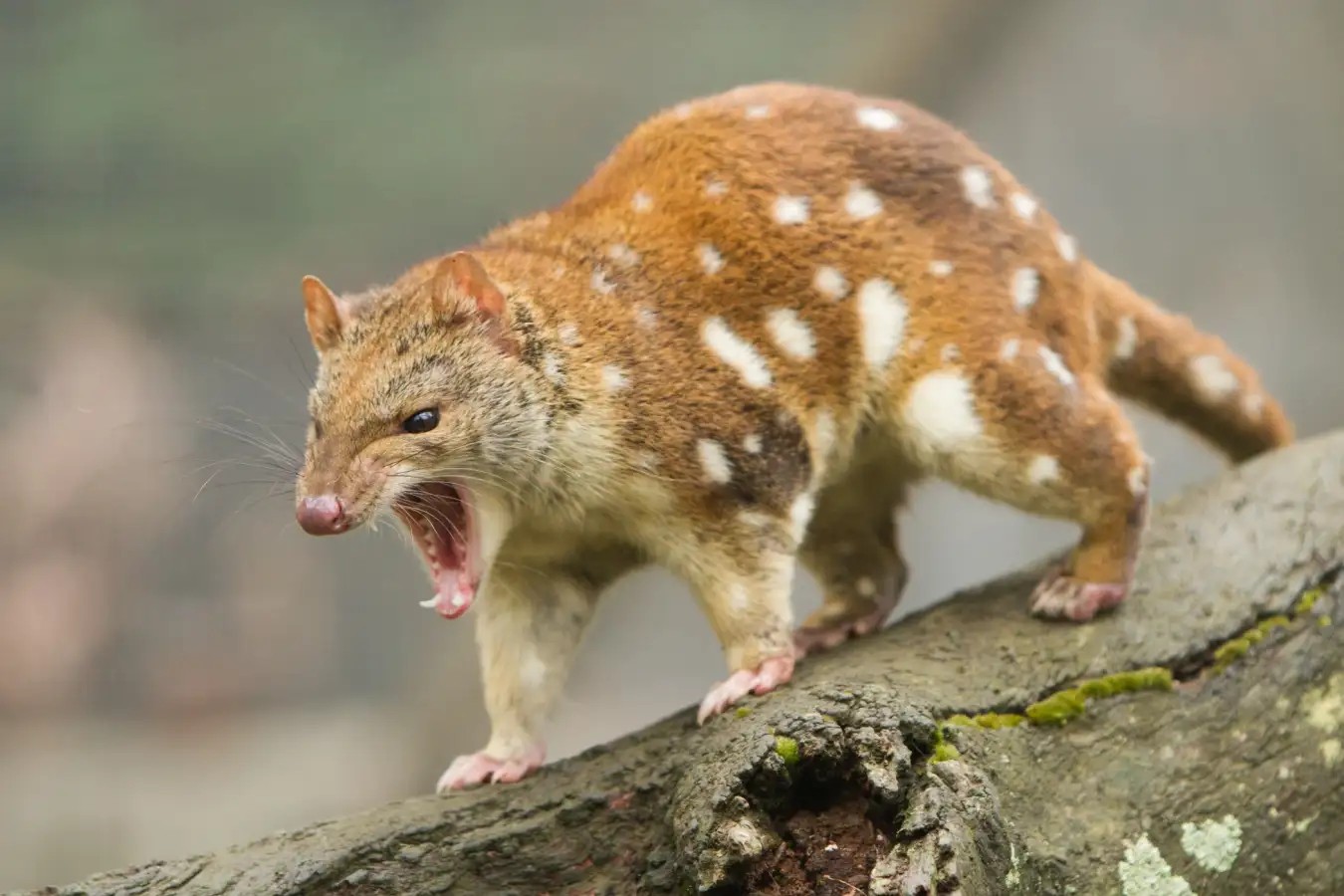
Our Wild Familiars by Dan Werb explores these neighbors. Not just the annoyances. Not just replacing lids in raccoon territory. Werb is an epidemiologist and writer. He sees them as arbiters of the planet’s future. Environmental destruction pushes them into our cities. Their numbers soar. We must learn to live in harmony. The tiger quoll is a carnivore the size of a cat-crossed-with-a-rat. The collared delma is a legless lizard. Interesting futures. Scary futures. Both possible.
An Expert Witness
Justice fails. Andrew Malkinson spent 17 years in jail. Innocent. The science went wrong.
An Expert Witness: Forensic science on trial by Sue Black puts the discipline on the dock. Black is one of the UK’s top forensic scientists. She worked on DNA fingerprinting. Vein-pattern identification. This book uses landmark cases. It asks how automation and AI will work in court. Instant interview translations. AI redacting police files. Who corrects the errors? Who notices? Black worries we won’t cope. “We will certainly all care,” she says. We should.
What If We Got AI Right?
Fear is natural. Confusion too. But catastrophising is lazy.
What If We Got AI Right? by Eleanor Drage pushes for a new language. New ideas. Ethics needs feminism. Reparative justice. Climate politics. Drage wants us to build an ethical future rather than wait for the apocalypse. Sandi Toksvig calls it “wise and purpose-driven”. N. Katherine Hayles says it dismantles prophecies of transcendence and doom. Liveable futures? Possible. If we try.
Alive
What does it mean to be? Alive?
Alive: The hidden intelligence of the living world by Melanie Challenger says being alive is primarily about having a body. Not just biology. Not just physics. Agency. Purpose. Meaning. Challenger probes new discoveries in both fields. In an age of AI and biodiversity loss, do we remember what it is to be an organism? The book claims to restore that meaning. Whether it succeeds? That depends on the read.
Sign up for Book Club. Join the discussion. No pressure. Just reading. And thinking.