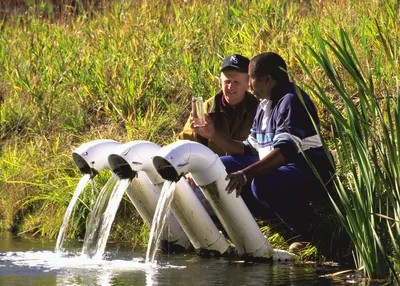
Pollution control is the broad umbrella term for every trick, tank, and technology engineers use to stop toxic sludge, fumes, and waste from wrecking the planet. It’s not just about “cleaning up.” It’s about intercepting harmful substances and energy discharges before they turn a river into a sludge pit or a city’s air into a choking hazard.
The methods are as varied as the messes they tackle. You might see massive sanitary landfills engineered to contain refuse. You’ll find sedimentation tanks in sewerage systems where heavy particles settle out of wastewater. There’s electrostatic precipitation in industrial settings, using electrical charges to pull impurities out of factory smoke before it hits the sky. Then there’s the humble recycling loop, which tries to keep materials out of the ecosystem entirely.
But these are just components. To really understand the scale, you have to look at the four pillars of environmental engineering:
- Air pollution control : Catching particulates and gases.
- Wastewater treatment : Cleaning the water we flush.
- Solid-waste management : Handling trash without poisoning the soil.
- Hazardous-waste management : Dealing with the stuff that actually kills you.
Each field has its own machinery, its own chemistry, and its own nightmares. The goal is always the same. Limit the damage. Keep the discharge in check.
Why Pollution Control is a Social Choice, Not Just a Technical One
Pollution control sits right next to biodiversity conservation as the single most pressing environmental challenge of our time. Some argue it is even more urgent. The reason is simple: saving species is about preserving what exists; stopping pollution is about preventing active harm.
We have the technology. We have the knowledge. The tools to manage waste, cap emissions, and recycle harmful substances are already in our hands. What we lack is the social will to use them.
The Three Rules of Clean Air and Water
Controlling pollution isn’t about stopping progress. It’s about reordering how we produce things so that the benefits outweigh the side effects. This involves three specific decisions that societies must make:
- Block the escape: Do not allow substances or forms of energy that harm life to leak into the environment.
- Contain and recycle: Keep potentially harmful materials in check, recycling them before they can be released in toxic quantities.
- Ban persistence: Do not release materials that linger in nature and poison living things over time.
These aren’t complex scientific mysteries. They are policy choices.
The Economic Excuse
If the tech exists, why isn’t everyone doing it? Economics.
For now, these measures are not applied universally. Political and social pressures haven’t been strong enough to force their adoption everywhere. Developing countries often fear that strict pollution standards will stifle their economic growth. This fear is real. It has led some nations to become sanctuaries for industries looking to dodge stricter regulations found elsewhere.
It’s cheaper to pollute in a place with weak laws.
The Real Barrier: Political Will
Technology is not the bottleneck. The bottleneck is agreement.
Pollution control will only become a reality when people demand it. Not when scientists publish papers. Not when engineers build better filters. When people demand it. And when nations agree on international standards that actually mean something.
Without that collective pressure, the technology sits idle. The choice to pollute remains.
The question isn’t whether we can clean up our mess. It’s whether we’re willing to pay for it. Until then, the air stays thick. The water stays murky. And the next generation inherits a world that was possible to fix, but wasn’t.