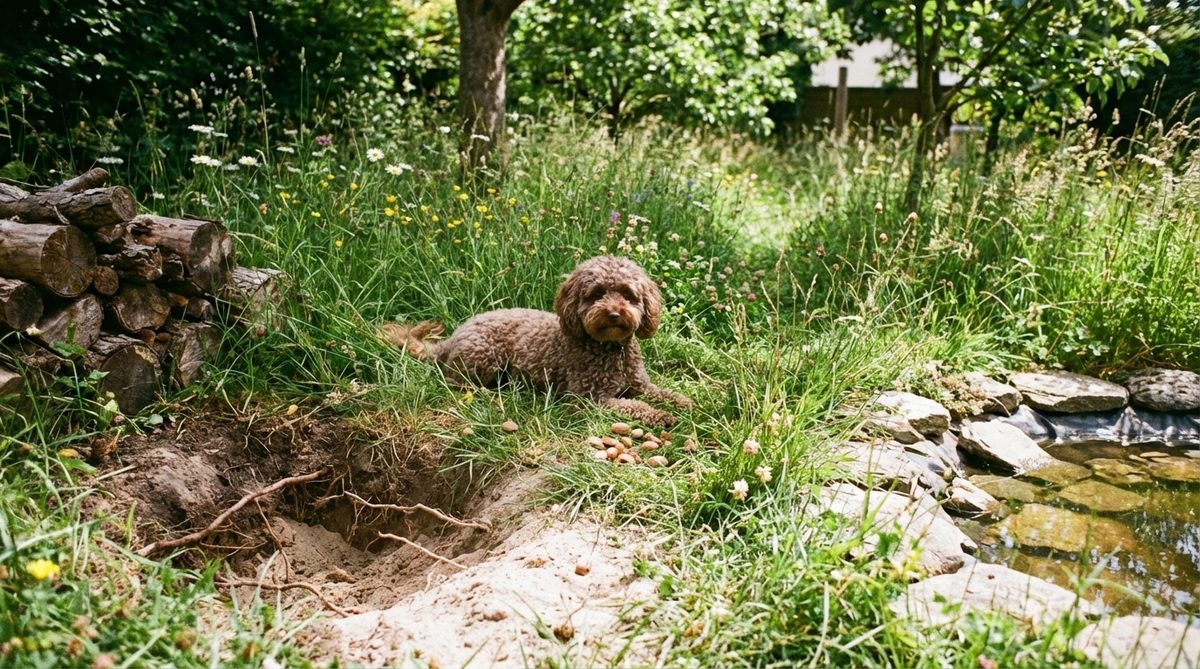
The winter evenings are getting longer. The house is quiet until the dog starts howling at the fence again. The neighbor complains. The children roll their eyes. Patience is running out.
But yelling back won’t help. Punishment makes the situation worse. The first step to stopping this noise is to understand what is causing the dog to bark at the fence line. There is always a reason behind the chaos. And there are usually simple solutions to regain control without raising your voice.
Decoding the noise: Why dogs bark at night
Barking is no accident. Listen carefully. Watch your dog in the cold garden. Every sound has an origin.
Boredom is an important trigger in winter. Lack of stimulation. The slightest noise. These can trigger a noise panic comparable to a New Year’s Eve party.
Identifying the triggers that set off barking
Jogger behind the hedge. Children playing. A trash can knocked over by the wind.
For a dog with sensitive hearing, these small stimuli are fireworks. Recognizing these triggers will help you anticipate the behavior. This way you can offer better responses before the noise starts.
Reading Your Dog’s Emotional State
A relaxed dog with a low tail and a slow walk barks for a reason. But a tense dog scanning the garden? That barking signals emotion.
Stress. Fear. Frustration. Or just extra energy. Holiday agitation in the streets often exacerbate these reactions. Your dog senses tension in the neighborhood.
Differentiate between boredom, fear and excitement
Before you act, find out why. Is it boredom? Uncontrollable excitement? Or anxiety over an unknown sound?
Silencing a dog without understanding the reason is like silencing an alarm without fixing a short circuit. You treat the symptoms, not the disease.
Revitalizing the garden: Naturally calming activities for dogs
The garden isn’t just a territory to mark. It’s a world to explore. Even in winter, nature offers opportunities to channel the dog’s boundless energy.
Installing Varied Games to stimulate the mind
Enrich the garden. Turn a simple potty break into a treasure hunt.
Use balls filled with food. Spread chew toys around the bushes. Hide treats in places where you need to sniff. The more the dog thinks and works, the less he uses his voice. Mental fatigue is a powerful tool.
Reinvent time outside to break routines
The magic of Christmas also applies to dogs. Alternate walks. Play hide and seek. Set up impromptu agility sessions with homemade obstacles. A plank. Cones. A rope to jump over.
These activities tire the dog mentally and physically. Just five to ten minutes of focused play each day will change the dynamic.
Use positive training to reinforce good behavior
Reward calmness consistently. Politely ignore unwarranted barking. This helps the dog learn which behavior is appreciated.
A simple “sit” or “quiet” followed by a treat or a pet if they stay calm at the gate will work wonders over time. Reinforcement builds trust.
Invisible barriers: Reduce stimuli without isolating your dog
You can’t watch your dog through the glass door all day. But thoughtful adjustments can limit barking and letting the animal enjoy the outdoors autonomously.
Arranging the Space to Limit Stress Sources
Install visual barriers. Plant a dense hedge around the edges of the garden. This provides your companion with a peaceful bubble.
A limited view of the street or neighboring properties cuts off many opportunities to bark as a “guard”. If they can’t see it, they’re less likely to react.
Creating a Tranquility Bubble with Smart Alternatives
Provide a well-shielded kennel. Place a basket away from foot traffic. Provide toys to relieve stress. This encourages the dog to settle down instead of patrolling endlessly.
Add a blanket with familiar scents. Give a long-lasting chew bone. This promotes relaxation even in freezing temperatures.
Making the Garden a Haven Where Barking Is Unnecessary
Reduce unwanted stimuli. Enrich the environment. Reinforce calm behavior with rewards. Over time, the garden becomes a place of play, discreet observation and rest.
Barking becomes rare. Cohabitation regains its gentleness, even near zero degrees.
In a noisy garden, it is possible to find peace again. Be methodical. Identify the reasons. Offer stimulating occupations. Adjust the environment intelligently. Never resort to punishment.
Returned peace and quiet benefits both your dog and your family. Especially during the festive season, when everyone craves well-deserved peace.