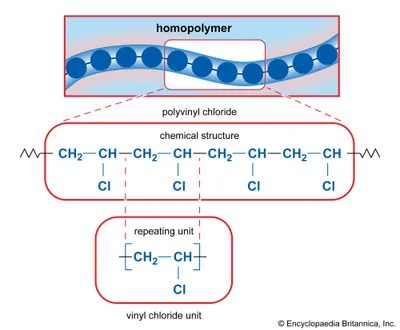
A polymer is just a fancy word for a giant molecule built from smaller, simpler chemical bricks called monomers. You can think of it like a long chain where each link is the same basic unit. These macromolecules are everywhere. They form the core of life itself. Proteins, cellulose, and nucleic acids are all natural polymers. They are the structural and functional backbone of every living thing you’ve ever seen.
But they aren’t just biological. They are also in the ground. Diamond, quartz, and feldspar are minerals made of polymeric structures. Then there are the things we manufacture. Concrete, glass, paper, plastics, and rubber all rely on polymer chemistry. The line between nature and industry is blurry here. Both rely on the same fundamental principle: linking small units into massive chains.
How polymers are defined
The term polymer doesn’t specify exactly how long the chain is. It just means there are many monomers linked together. When the chain gets very long, scientists sometimes call it a high polymer. But length isn’t the only factor. Composition matters too.
Most people assume polymers are uniform. They aren’t. A single polymer chain can contain monomers of different sizes, weights, or chemical makeups. Some natural polymers are pure. They consist of just one type of monomer repeated over and over. But most natural and synthetic polymers are more complex. They mix two or more different monomer types. These mixtures are called copolymers. This variety is what gives polymers their diverse properties. A copolymer can be tougher, more flexible, or more resistant to heat than a homopolymer.
Why this distinction matters
Understanding whether a polymer is a homopolymer or a copolymer changes how it behaves in the real world. A pure polymer chain might be rigid. A mixed chain can be engineered to bend without breaking. This is why synthetic polymers dominate modern materials science. We can tweak the monomers to get specific results. Need a plastic that doesn’t crack in the cold? Add a different monomer. Need a rubber that stays elastic in heat? Adjust the chain composition.
Nature did this first. Proteins are complex copolymers of amino acids. Their function depends entirely on the specific sequence and types of monomers involved. We are now trying to replicate that precision in synthetic materials. The goal is simple. Make materials that are stronger, lighter, and more sustainable. Polymers are the tool we use to get there.

The Structural Backbone of Nature
You might think of plastics as a modern invention, but organic polymers have been running the show long before humanity invented synthetic materials. They are the basic building blocks of life, providing the structural integrity and chemical functionality that keep living things standing upright and functioning. Without them, biology as we know it simply wouldn’t hold together.
Take plants. The solid, rigid parts of every plant you’ve ever seen are essentially piles of polymers. It’s not just one thing, either. You have cellulose, lignin, and a host of resins all working in tandem. Cellulose is a polysaccharide—a long chain made of sugar molecules strung together. It’s what gives plant cell walls their strength. Lignin is different. It forms a complicated, three-dimensional network that acts like industrial glue, binding everything else together and making wood tough and water-resistant.
Then there are the resins. These are often polymers of a simple hydrocarbon called isoprene. If the word isoprene sounds familiar, it’s because you likely know its most famous byproduct: rubber. The same molecular building blocks that help a tree seal a wound or produce scent also create the elastic material we stretch into tires and bands. Nature didn’t need a lab to figure out how to chain molecules together for durability and flexibility. It just did.
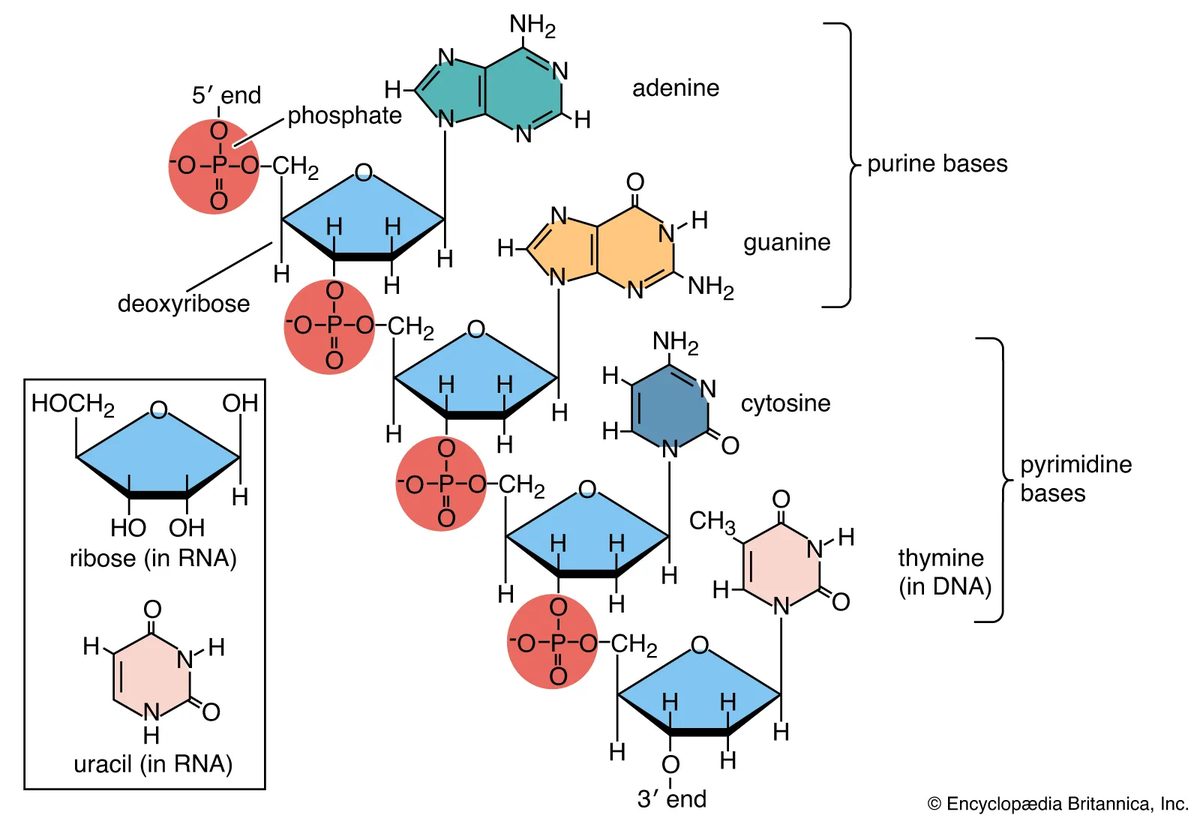
Proteins sit at the center of the conversation about natural polymers. They are chains of amino acids linked together. These chains fold into complex shapes that drive nearly everything in a living cell. From muscle contraction to enzymatic reactions, proteins are the machinery.
Then there are nucleic acids. These are the data storage systems of biology. They are polymers made of nucleotides. A nucleotide is a triple-threat molecule: it contains a nitrogenous base, a sugar, and phosphoric acid. DNA and RNA fall into this category. Their primary job is simple but profound: they carry genetic information. Without them, cells would have no instructions for survival.
Plants offer a different kind of polymer. Starches are natural polymers composed of glucose units. They serve as a vital source of food energy. When you eat a potato or rice, you are consuming long chains of glucose waiting to be broken down. This makes starch a critical link in the energy chain for humans and animals alike.
From Carbon Lattices to Plastic Chains
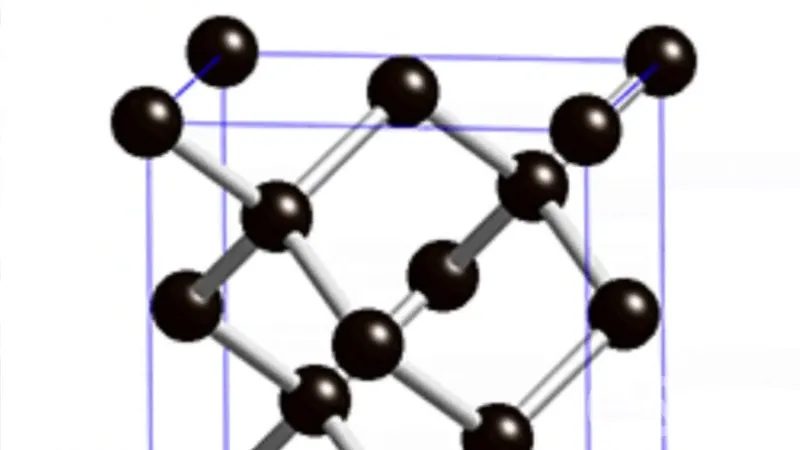
We tend to think of polymers as purely man-made plastics, but the blueprint exists in nature too. Take diamond and graphite. They are both pure carbon, yet they behave like total opposites. It all comes down to geometry. In diamond, every carbon atom locks into a rigid three-dimensional network. That tight structure is why you can cut glass with it. Graphite? It’s arranged in flat planes. Those layers slide past each other with zero friction. That’s why it works as a lubricant and leaves marks on paper.
Building Synthetic Chains
Humans didn’t just copy nature. We engineered new structures. The most common method? Addition polymerization.
It starts with simple hydrocarbons like ethylene and propylene. You take one monomer. Add another. And another. A chain grows. It’s industrial alchemy.
Polyethylene is the result. It’s made of repeating ethylene units. A single chain can hold up to 10,000 of these monomers. They coil up like tangled spaghetti. The material is crystalline. Translucent. Thermoplastic, which means it softens when you heat it. That flexibility makes it perfect for bottles, packaging, and molded parts. You see it everywhere.
Polypropylene takes it a step further. It’s also crystalline and thermoplastic. But it’s harder. Stiffer. A single molecule here might contain anywhere from 50,000 to 200,000 monomers. That sheer mass of connected units changes the physical properties. You don’t just get bottles. You get textiles. Molded objects that can take a beating.
Why Structure Dictates Function
The difference between polyethylene and polypropylene isn’t magic. It’s molecular architecture. Longer chains. Different bonding angles. These tiny details dictate how the material handles heat, stress, and wear.
“Synthetic polymers are defined by the reactions that create them and the monomers that feed them.”
When you look at a water bottle or a synthetic rug, you’re looking at chains of atoms. Thousands of them. Linked together. The properties we rely on—durability, flexibility, heat resistance—are just the macroscopic result of microscopic choices.
Beyond the Basics: The Diverse World of Synthetic Materials
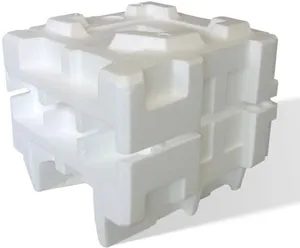
Not all plastic is created equal. While addition polymers like polybutadiene, polyisoprene, and polychloroprene form the backbone of synthetic rubber manufacturing, others take on vastly different roles. Consider polystyrene. At room temperature, it’s not just a material; it’s a state of matter. It is glassy. It is transparent. And it is thermoplastic, meaning it can be melted and reshaped repeatedly without losing its integrity.
This clarity isn’t just aesthetic. It allows manufacturers to color polystyrene in any shade imaginable. From the bright, hollow bricks of childhood to everyday household items, the material’s versatility makes it a staple in production lines worldwide.
But why does this matter to you? Because the rigidity and transparency of polystyrene offer a stark contrast to the elasticity of rubber. Understanding which polymer fits which application—rigid clear containers versus flexible tires—is key to grasping how modern materials science dictates the physical objects in your life. The choice between a glassy solid and an elastic rubber comes down to molecular structure, a decision that impacts everything from durability to recyclability.
The shift from elastic rubber to rigid, transparent plastic highlights how small changes in polymer composition lead to drastically different real-world applications.
The implications extend beyond just toys. The same thermoplastic properties that allow polystyrene to be molded into intricate shapes also make it a subject of intense debate regarding waste management. Its ubiquity means it is everywhere, yet its chemical stability, which makes it so durable, makes it notoriously difficult to break down.
Where do we draw the line between utility and environmental cost? As new biodegradable alternatives emerge, the role of traditional addition polymers is shifting. The question isn’t just how they are made, but how long they will remain the default choice for manufacturers who prioritize cost and performance over longevity in the ecosystem.
The clarity of polystyrene is deceiving. It hides the complexity of its lifecycle.

Beyond Carbon Chains: The Role of Chlorine and Oxygen
Change just one hydrogen atom in an ethylene molecule to chlorine, and you get vinyl chloride. It sounds minor, but it changes everything. This small swap leads to polyvinyl chloride, better known as PVC.
PVC is a hard, thermoplastic material. It is colorless until dyed. It can be molded into foams, thin films, or tough fibers.
There is also vinyl acetate. This comes from reacting ethylene with acetic acid. When it polymerizes, it creates soft, amorphous resins. These are used everywhere as coatings and adhesives. It also plays nice with vinyl chloride. Together, they form a massive family of thermoplastics.
Metal-Like Plastics
Most plastics are just carbon chains. Some, however, include oxygen or nitrogen in the backbone.
Consider polyacetals. The simplest form is polyformaldehyde.
It is crystalline. It has a high melting point. It resists abrasion and solvents. In fact, acetal resins feel more like metal than most other plastics. That is why they are used for gears and bearings in machinery. They handle stress where other polymers would fail.
The Polyester Structure
Look at the linear polymer known as polyester. Its backbone repeats ester groups.
Open-chain polyesters are colorless and crystalline. They are thermoplastics. If the molecular weight is high—between 10,000 and 15,000—they become useful for specific applications. You find them in films. In molded objects. And in fibers like Dacron.
Why do these variations matter? Because the atoms in the chain dictate the material’s soul. Chlorine makes it tough. Oxygen makes it precise. Without these tweaks, modern manufacturing would be limited to crude, brittle, or overly soft options. The chemistry is simple. The result is complex.
You probably don’t think about the chemical bonds holding your corn-based plastics together, but they are there. Polyamides are a massive category of materials, and they start in nature. Casein lives in milk. Zein is the protein in corn. These aren’t just biological footnotes. They are the raw inspiration for industrial plastics, fibers, adhesives, and coatings.
We moved from these natural origins to synthetic versions that changed manufacturing forever. Take urea-formaldehyde resins. They are thermosetting polyamides. Once they set, they stay set. Manufacturers use them to mold hard objects. You will find them as adhesives for textiles. They coat paper to make it resistant and durable.
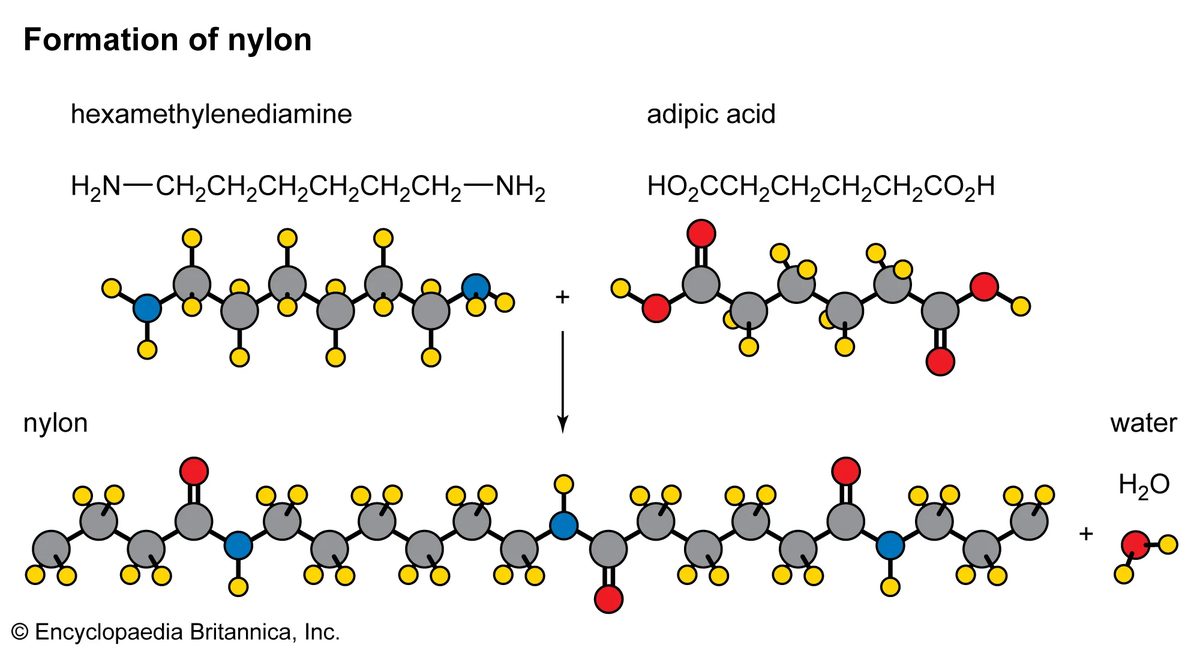
Then there is nylon. It is the poster child for polyamide resins. Why did it take over? Because it is tough. It resists heat. It survives abrasion. It doesn’t burn easily. It is non-toxic. And you can dye it any color you want.
While most people know nylon as a textile fiber—think stockings or athletic wear—it does much more than cover your body. It has a vast array of other applications. The material’s strength-to-weight ratio makes it indispensable in engineering, too.
But polyamides aren’t the only game in town. Look at the other side of the polymer spectrum. Linear repetitions of the urethane group form a different family. Polyurethanes. They behave differently. They are versatile.
You encounter them as spandex. That stretchy fiber in your workout gear? That’s a polyurethane elastomer. But the uses go far beyond fashion. They create coating bases. They form soft foams for mattresses. They create rigid foams for insulation. The chemistry is simple in concept, but the physical results are complex.
“Polyamides like nylon are strong, resistant to heat and abrasion, noncombustible, and nontoxic.”
The line between natural protein and synthetic resin is blurrier than it seems. Corn becomes plastic. Milk becomes adhesive. Urea becomes a molded chair part. Urethane becomes the foam in your couch.
We rely on these materials constantly. We stretch them. We coat them. We mold them. We ignore them until they break or wear out. Then we wonder why they failed. The answer is usually just chemistry. And time.
Beyond Carbon Backbones
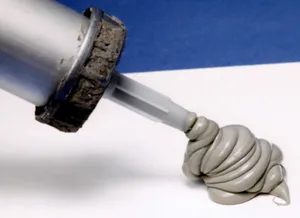
While most plastics rely on carbon chains, a different class of polymers mixes the organic with the inorganic. Silicones are the heavy hitters here. Their structure is distinct: a backbone of alternating silicon and oxygen atoms, with organic groups hanging off every silicon.
Low molecular weight silicones are oils. Greases. But crank up the molecular weight, and you get versatile elastomers. These materials stay soft and rubbery even in deep freeze conditions. They also hold up under high heat. That thermal stability matters. It means you can find silicones in engine seals and kitchenware that needs to survive the oven.
Then there are fluoropolymers. These rely on carbon–fluorine bonds. Those bonds are incredibly stable. The result is a material that resists solvents like nothing else. The chemistry also creates a nonstick surface. You know it as Teflon, or more formally, polytetrafluoroethylene (PFTE). It’s not just about frying pans. It’s about materials that simply won’t react with their environment.
The Science of Synthesis
This is where polymer chemistry takes over. Studying natural polymers bleeds into biochemistry. But synthesizing new ones? That’s a unique puzzle. Polymer chemists have to solve problems related to polymerization processes. They need to characterize the structure and properties of the resulting materials.
The output is staggering in its variety. Chemists have designed polymers with specific hardness levels. They’ve tuned flexibility. They’ve controlled softening points. They’ve even manipulated solubility in water and biodegradability.
Consider the strength-to-weight ratio. Some synthetic polymers are as strong as steel. They are lighter, too. And they don’t corrode. This has changed infrastructure. Oil, natural gas, and water pipelines are now routinely built from plastic pipe. Steel isn’t always the answer when corrosion is a risk.
Industrial Impact and Catalysts
Automakers are exploiting these properties. They are increasing the use of plastic components in vehicles. Why? Lighter cars consume less fuel. The shift is driven by polymer chemistry.
It’s not just cars. The textile industry. Rubber manufacturing. Paper production. Packaging materials. All of these sectors are built on the foundation of polymeric materials.
But making them at scale is hard. Researchers are constantly developing special catalysts for industrial synthesis. Without these catalysts, polymerization would crawl. In some cases, it would be too slow to be commercially viable. The catalyst speeds up the reaction, allowing the production of the polymers we use every day.
Why It Matters
The transition from steel to plastic isn’t just about cost. It’s about performance. A pipeline that doesn’t rust lasts longer. A car that weighs less burns less gasoline. A pan that doesn’t stick is easier to clean.
Silicones handle temperatures that would melt standard plastics. Fluoropolymers ignore chemicals that would dissolve other materials. This isn’t just chemistry for chemistry’s sake. It’s about solving real-world problems with molecular precision.
The field keeps evolving. New catalysts emerge. New polymer structures are discovered. The line between organic and inorganic continues to blur. We are building a world out of materials that can be tuned at the atomic level.
What happens next? Probably more lightweight alloys made of plastic. More heat-resistant coatings. More materials that disappear naturally after use. The possibilities are limited only by how well we understand the bonds.