The trajectory of a scientific career is often defined by a single, transformative moment. For one wetland ecologist, that moment was the devastation of Hurricane Katrina. What began as a catastrophic natural disaster became the catalyst for a lifelong academic and professional pursuit: understanding how coastal ecosystems defend themselves against a changing world.
The Catalyst: A Storm That Changed Everything
Hurricane Katrina was more than just a weather event; it was a massive storm surge that reshaped the physical and biological landscape of the Gulf Coast. For an aspiring scientist, witnessing the immediate impact of such a powerful force provides a visceral lesson in environmental science.
The storm highlighted the fragility of wetlands —those low-lying, water-soaked areas that serve as the planet’s natural buffers. When these ecosystems are damaged, the consequences are felt far beyond the shoreline, affecting everything from local biodiversity to human safety.
The Science of Coastal Defense
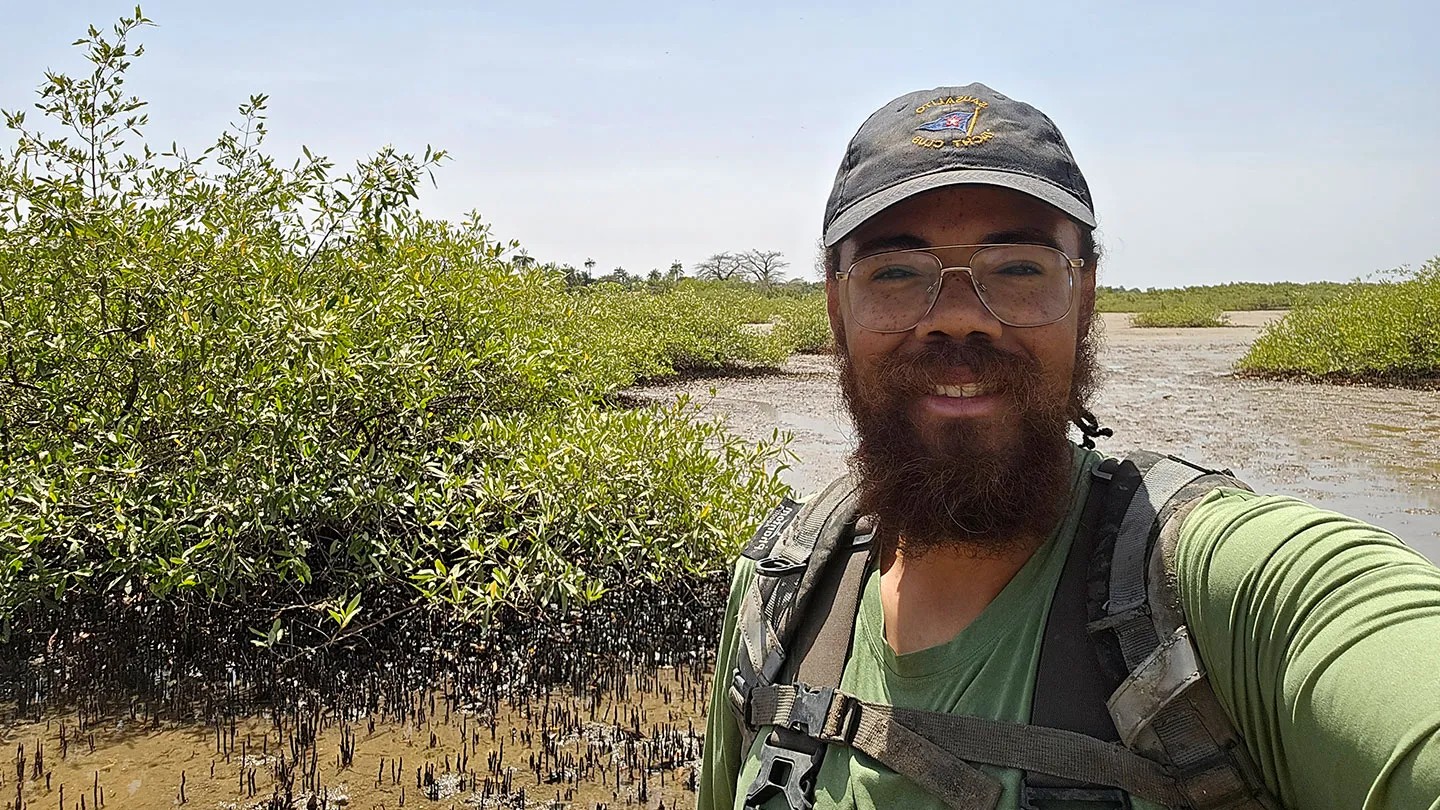
The research sparked by this experience focuses on the complex ecosystems that exist at the intersection of land and sea. Central to this study is the role of mangroves —specialized trees and shrubs with tangled, above-ground root systems. These plants are not merely part of the scenery; they are critical components of a natural defense system.
By studying these habitats, ecologists aim to understand:
– Species Resilience: How different populations of organisms adapt to fluctuating sea levels and increased salt concentrations.
– Ecosystem Function: How the intricate “system” of plants, animals, and microorganisms works together to stabilize coastlines.
– Climate Change Mitigation: How preserving these wetlands can help mitigate the impacts of rising oceans and more frequent, intense hurricanes.
The Academic Journey: From Undergrad to Ph.D.
Transitioning from witnessing a disaster to studying it scientifically requires a rigorous academic path. This journey typically moves from the foundational learning of an undergraduate degree to the specialized, high-level research of graduate school.
Achieving a Ph.D. (Doctorate) represents the pinnacle of this process, where a researcher moves beyond learning existing knowledge to creating new knowledge. This involves extensive field research—working in real-world environments like coastal swamps rather than just controlled laboratories—to observe how nature responds to environmental stressors in real-time.
Navigating the Human Element
Science is not conducted in a vacuum. As researchers delve deeper into environmental science, they often encounter the psychological and social complexities of the field:
- Imposter Syndrome: Even highly successful scientists often grapple with self-doubt, feeling as though they are “faking it” despite their expertise.
- Social Science Integration: Understanding environmental issues requires more than just biology; it requires an understanding of how human societies, politics, and economics influence—and are influenced by—the natural world.
“The study of our environment is a multidisciplinary endeavor, bridging the gap between the physical forces of nature and the social structures of humanity.”
Conclusion
The legacy of Hurricane Katrina lives on through the scientists dedicated to studying its aftermath. By understanding the mechanics of wetlands and the resilience of coastal species, these ecologists are working to build a more informed defense against the inevitable shifts of a changing climate.