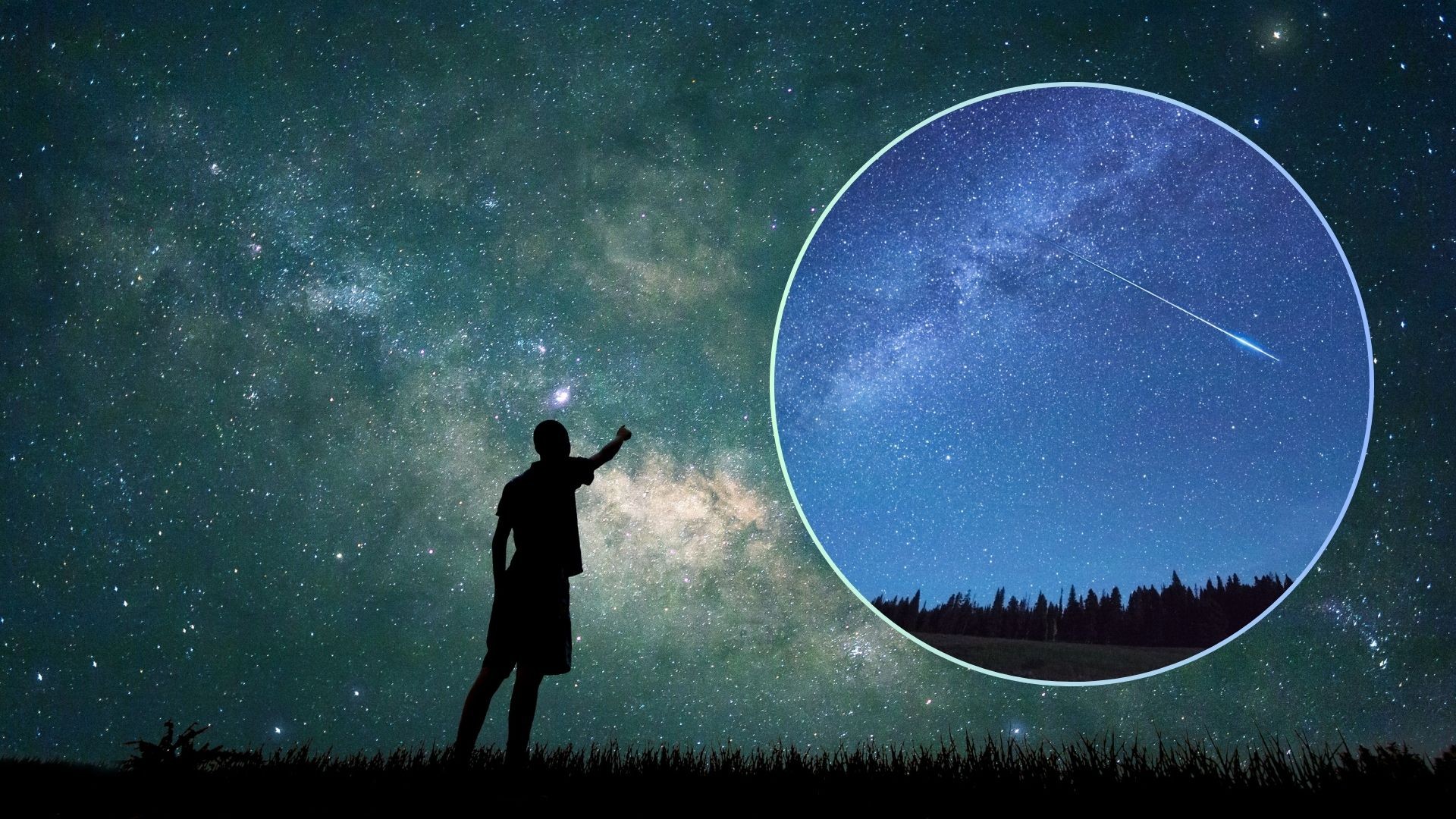
The Lyrid meteor shower is returning, offering stargazers a chance to witness fast, brilliant “shooting stars” streaking across the night sky. While meteor showers are predictable celestial events, successful viewing depends heavily on timing, location, and knowing exactly where to direct your gaze.
Where to Look: Finding the Radiant
The Lyrids are named after their radiant point —the area in the sky from which the meteors appear to originate—which is located within the constellation Lyra.
To find this area, look toward the northeast shortly after sunset. As the night progresses, the constellation will climb higher in the sky. A helpful landmark is Vega, one of the brightest stars in the night sky, which sits within Lyra. If you are unsure of your orientation, using a stargazing app can help you pinpoint Vega quickly.
Pro Tip: Do not stare directly at the radiant point. While the meteors technically “begin” there, the most dramatic, long-lasting, and visually impressive streaks often appear further away from the center of the constellation. Instead, scan the entire sky surrounding Lyra to catch the best displays.
Timing and Conditions
For the 2026 display, the celestial mechanics are working in your favor:
* Meteor Rate: Under ideal conditions, you can expect to see between 15 and 20 meteors per hour.
* Moonlight Factor: One of the biggest obstacles to meteor viewing is moonlight, which can wash out the fainter streaks. Fortunately, in 2026, the moon will set after midnight, leaving the sky dark and optimal for viewing during the peak hours.
* The “Early Bird” Advantage: Because Lyra rises in the northeast and climbs higher as the night goes on, the best viewing window typically occurs in the early morning hours.
5 Essential Tips for Success
To maximize your chances of seeing the Lyrids, follow these professional skywatching practices:
- Avoid Light Pollution: Turn your back to city lights and aim your gaze toward the darkest, clearest patch of sky available.
- Seek Open Horizons: Choose locations like fields, beaches, or hilltops that provide an unobstructed, wide-angle view of the heavens.
- Protect Your Night Vision: It takes the human eye roughly 20 to 30 minutes to fully adapt to the dark. Avoid looking at your smartphone during this time, as the blue light will reset your night vision and force you to start the adaptation process all over again.
- Prioritize Comfort: Meteor watching requires patience. Use a reclining chair or a blanket to lie flat, and ensure you are wrapped in warm clothing to stay comfortable during the late-night chill.
- Look Wide: Meteors can appear unexpectedly in any part of the sky, so keep your gaze broad rather than focused on a single spot.
Summary: To see the best of the 2026 Lyrids, wait for the moon to set after midnight, find a dark location away from city lights, and allow your eyes time to adjust to the darkness for a chance to see up to 20 meteors per hour.