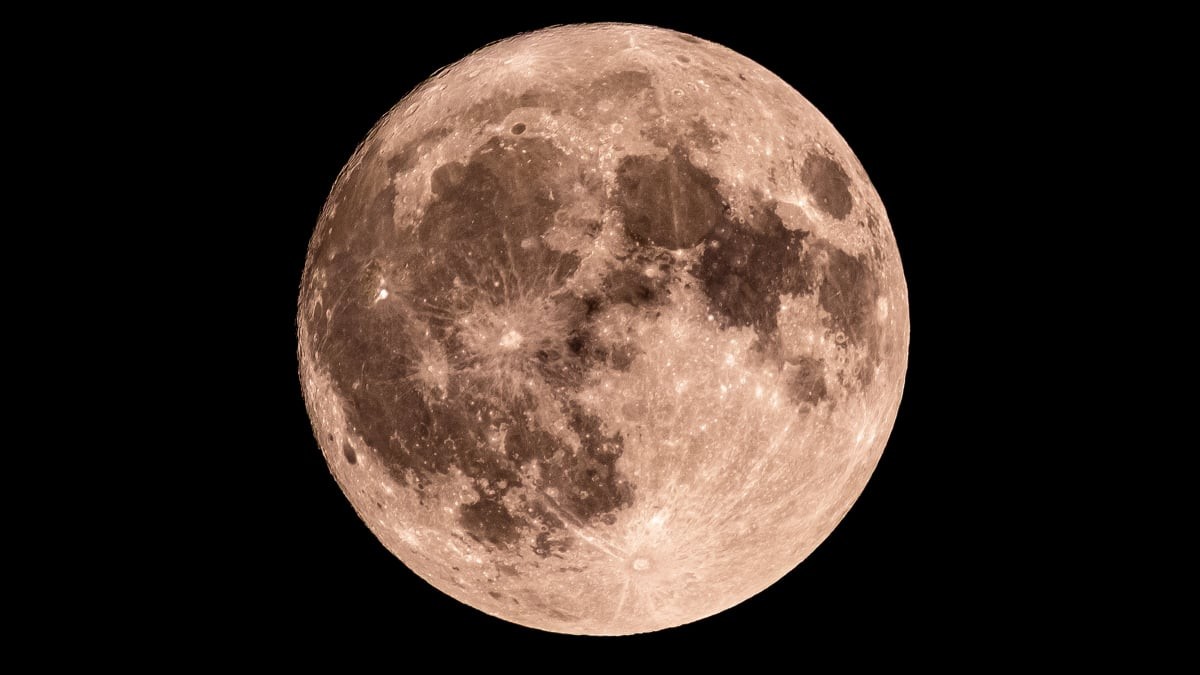
Full Moon? Gone. Past. It happened. Now every night gets smaller. This goes on until we hit New Moon. It’s just how the lunar cycle works. Roughly 29.5 days around Earth. That’s it.
What’s up there now?
Today, Monday June 1, we are looking at a Waning Gibbous Moon.
97% lit. Just a little less than perfect, per NASA’s daily guide. So what do you see. Nothing? Everything depends on your eyes and your gear.
Naked eye will catch Mare Imbrium. Also Copernicus Crater. Mare Tranquillitatis is visible too. Get some binoculars? You can spy the Clavius Crater. Maybe the Apennine Mountains. The Alps Mountains on the surface make an appearance if you look close.
Telescope?
You are rewarded with the Fra Mauro Highlands and the Caucasus Mountains. Small price to pay for a better view.
When is it full again.
June 29.
Why does it change?
NASA says it takes about 29.5 days. The Moon orbits us. We see the same face always, but the Sun hits it from different angles as it moves.
Light changes. Shapes change. Thin crescents. Half moons. The full thing. Together they make the cycle. Here is the pattern.
New Moon
Moon sits between us and the Sun. We see the dark side. Invisible really.
Waxing Crescent
Right side. A small sliver appears. (If you’re in the Northern Hemisphere).
First Quarter
Half lit. Right side. Looks like a slice of cheese cut in two.
Waxing Gibbous
More than half. Not full yet. Getting there.
Full Moon
Whole face lit up. Fully visible.
Waning Gibbous
Light fades on the right side now.
Third Quarter
Another half Moon. But the left side is the one lit this time.
Waning Crescent
Last sliver on the left. Then darkness comes again.
Sign up for Mashable’s Light Speed newsletter if you want more space tech. Terms apply. 16+ only.
It gets dark eventually. Doesn’t it.