We always assumed human labor was uniquely brutal. A nasty evolutionary trade-off. Upright walking forced our hips to narrow, while bigger brains meant bigger heads. Squeeze that cylinder through that tunnel, and you get the “obstetrical dilemma.”
For decades, we looked down on our cousins. Apes and monkeys? Easy deliveries. Adolph Schultz, a 1940 anthropologist, settled it. He measured pelvises. Found the baby heads fit fine. Case closed.
He was wrong.
Nicole Torres-Tamayo of UCL calls the old analysis flawed. Flawed in a fundamental, geometry-defying way. Schultz mapped human landmarks onto every other primate. But human pelvises are weird. They aren’t cylinders. They’re complex bowls.
“One of the main problems… it applied measurements… to all primates.”
Schultz’s markers didn’t hit the narrowest point in other species. They hit a plane above the actual bottleneck. He measured a wide slice of the cylinder. Not the constriction. The math lied. So the conclusion lied.
Torres-Tamayo and team fixed this. They looked at 29 species. Measured real birth canals. Measured real newborn skulls.
The results are grim.
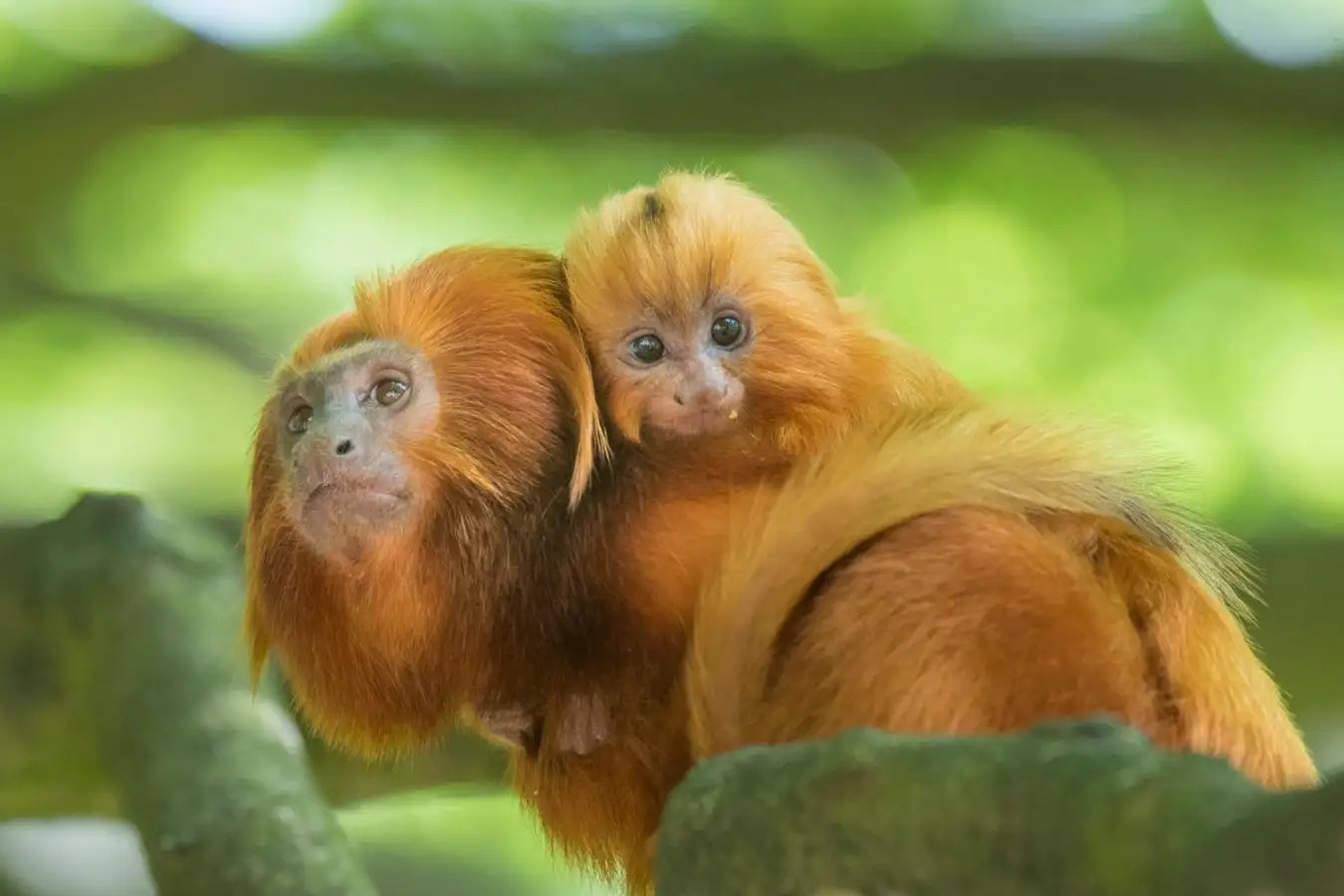
Many primates suffer the same mismatch. In small guys—bush babies, tamarins—it’s violent. The baby head is twice the width of the canal.
Wait. How do they survive?
Dislocation. They snap their hip bones apart. Temporarily double the opening size. It works. Humans? Try it. Walk around on snapped hips. Yeah, right. Bipedalism demands stable joints. So we keep our pelvis rigid. And we suffer.
Lia Betti, on the team, admits the scale shocked her. “I was not expecting… quite such a large number.”
Maybe the struggle isn’t unique. Maybe it’s ancestral. Early primates were small, arboreal, and trapped by physics. We didn’t invent pain. We inherited it.
Great apes fare better. Gorillas, orangutans. Size helps. Larger mothers, wider channels. But here is the twist. Humans remain unique among large apes. We are the only big bipeds with this problem.
Nicole Webb from Zurich sees it differently. Her 2024 data says chimpanzees struggle too. Tight fit. Uncomfortable. Maybe Schultz’s old ghost lingers.
“That discrepancy is strange… a reflection of the methods.”
Webb is willing to reconsider. The new data is loud. It forces a look back.
So who has it worse?
The tiny tamarin dislocating bones in the jungle. The chimp straining in silence. The human, pushing in a sterile room.
It’s not a clean victory for human exceptionalism. It’s a shared burden. Ancient. Persistent. Messy.
We aren’t the only ones fighting for breath. We’re just the ones with the biggest heads to shove through the dark.
🦴📏🤯