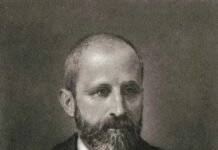
Louis Pasteur gets his biggest billing for pasteurization. You’ve seen the label on the milk carton. The process uses heat to kill microbes, stopping beer and dairy from turning into sour, spoiled messes. It’s a household name. But Pasteur’s footprint extends far beyond the kitchen.
Before he was changing how we eat, he was saving an industry. His work with silkworms in the 1860s was desperate. France’s silk trade was collapsing. A mysterious disease was wiping out worms. Pasteur didn’t just guess. He looked. He found that the disease lived in the eggs. His fix? Select healthy eggs. Discard the infected ones. It sounds simple. It worked. Those exact practices are still used by breeders today to keep silkworm populations healthy.
That same eye for detail fed into his germ theory of disease. The idea was radical then. Microbes cause illness, not just bad air. He proved it. He didn’t stop at theory. He built vaccines. Chicken cholera. Anthrax. Rabies. Each one a direct application of his belief that you could train the body to fight specific invaders. The silkworm work taught him to see the invisible. The vaccines proved it mattered for human lives. We still rely on that foundation. Every time we heat milk or get a shot, we’re standing on his work. It’s strange to think a moth’s illness led to saving humans. But that’s how science often moves. Not in straight lines. In loops. Back to the lab.