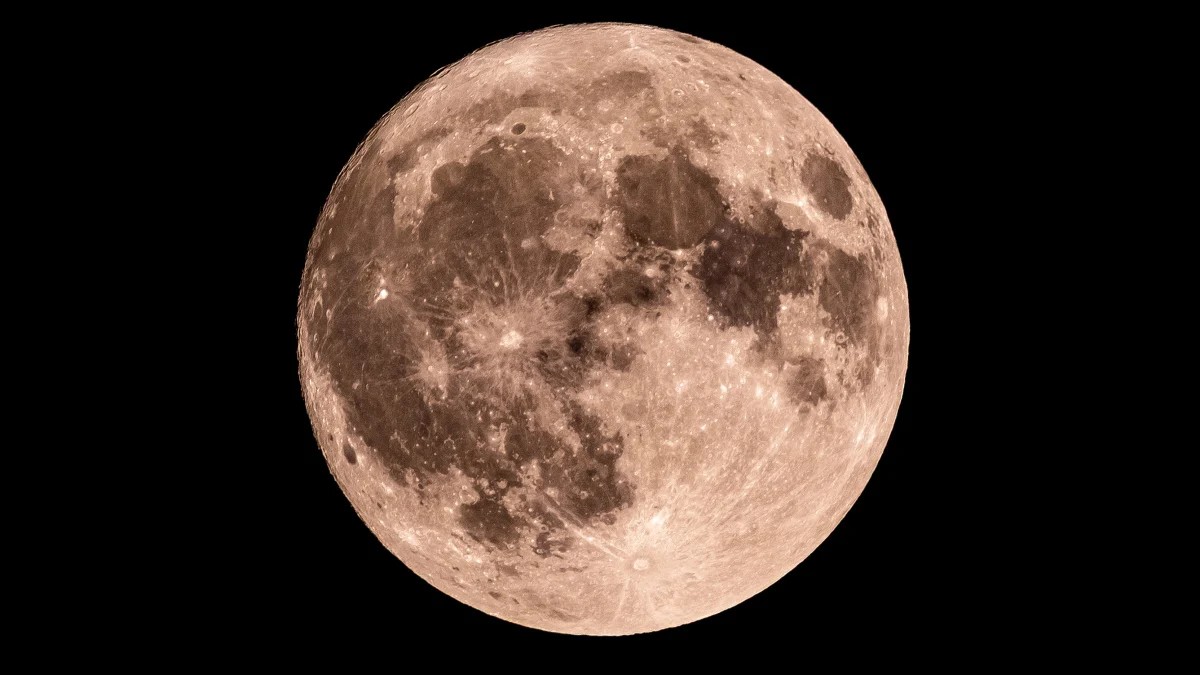
It is halfway through the lunar cycle tonight. The Moon is in its First Quarter phase.
NASA’s tracker confirms the date: Tuesday, July 21, 20 26. The moon is 48 percent illuminated. Half is dark. Half is bright.
You don’t need a telescope to see the basics. The Mares Crisium and Mare Fecunditatis are visible to the naked eye. These dark plains are easy to spot.
If you have binoculars, the view changes. You will see the Endymion Crater. The Posidonius Crater is clearer. The Mare Nectaris shows up too.
A telescope reveals more. You can pinpoint where Apollo 11 and Apollo 17 landed. The Rupes Altai escarpment comes into sharp focus.
Why does the First Quarter Moon matter?
The Moon takes roughly 295 days to orbit Earth. It passes through eight phases. The same side always faces us. But the Sun lights it up differently as it moves.
This creates the cycle. Thin crescent. Half-lit. Bright full. Then back to dark.
The phases follow a specific order:
- New Moon: Invisible. Dark side faces Earth.
- Waxing Crescent: Small sliver of light on the right (Northern Hemisphere).
- First Quarter: Half lit on the right. Looks like a half-moon.
- Waxing Gibbous: More than half lit. Not quite full.
- Full Moon: Fully illuminated. Brightest point.
- Waning Gibbous: Light fades from the right.
- Third Quarter: Left side is lit.
- Waning Crescent: Thin sliver on the left before going dark.
When is the next Full Moon?
Mark July 29 on your calendar.
That is when the next Full Moon peaks. Until then, the First Quarter phase offers a chance to study lunar geology without the glare of total illumination. Contrast is high. Shadows are long. Craters stand out.
The sky doesn’t wait for anyone. The light shifts every night.