It’s not usually pigs that get the credit for saving heathland.
But on Brownsea Island in Dorset, two specific pigs are doing just that.
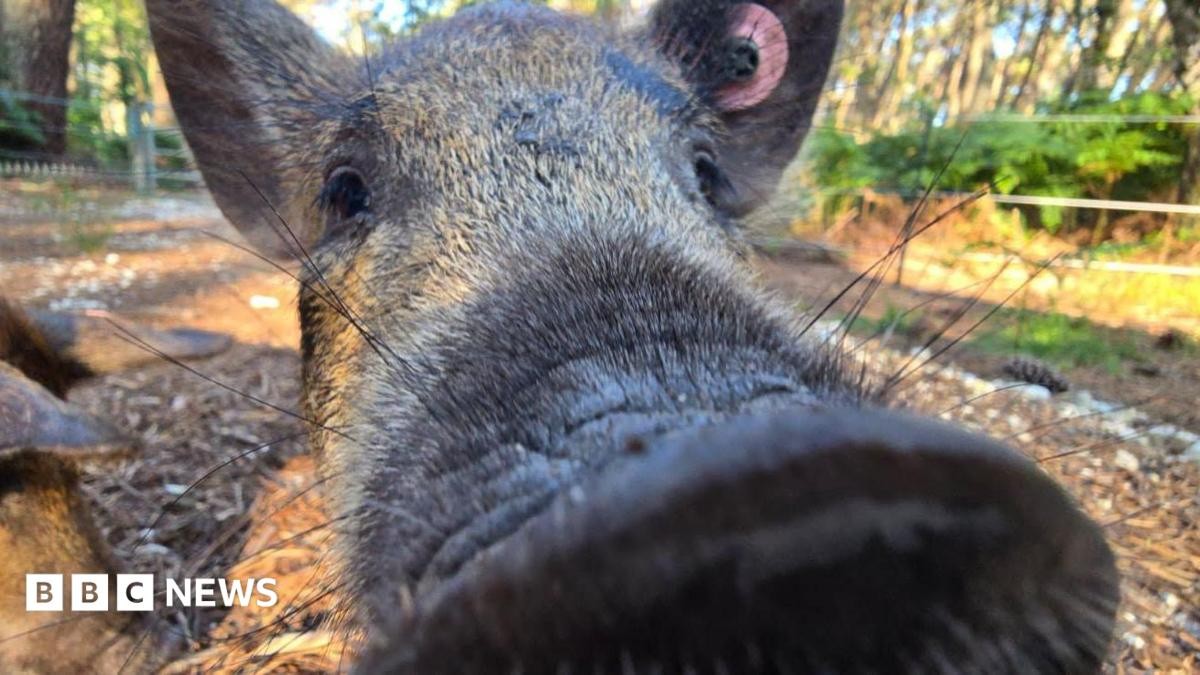
The Salt Pig farm in Putlake loaned the animals to the Dorset Wildlife Trust, a move designed to tackle the overwhelming spread of bracken. The island is fighting for plant diversity, and these Mangalitsa-cross pigs are the unexpected workforce hired to dig their way out of trouble.
Currently sitting at four months old, they seem settled enough. The trust reports the pair have found a rhythm in their enclosure at the north-west tip of the island, rooting around for roots and rhizomes. They’re young now, cheeky even, but they aren’t staying that size forever. Expect them to swell into roughly 180kg adults soon enough, looking more like walking sheep than sows thanks to that hairy Hungarian heritage mixed with wild boar blood in the 18301s.
The logic is brutally simple. Pigs turn the soil over. They break it up.
“As they forage… they naturally turn over the soil… helping to reduce bracken cover.”
Bracken is native. It matters. But let it take over completely, and the woodland understory loses its fight, choked by a monoculture of green fronds. The pigs act as natural rototillers, clearing space for other flora and wildlife to breathe again. It’s a messy, dirty job that machinery can’t really replicate without destroying the habitat it’s supposed to protect.
We often think of restoration as planting things. Sometimes, you need animals that are willing to tear things apart instead. Will it be enough to shift the balance entirely? Probably not. But the mud is churning.