We all know the drill. Red Riding Hood. Cinderella. Alice in Wonderland. These stories don’t age. They just get remixed. What used to be bedtime stories or dog-eared paperbacks are now blockbusters. We stopped reading. We started watching. The magic didn’t disappear. It just changed format.
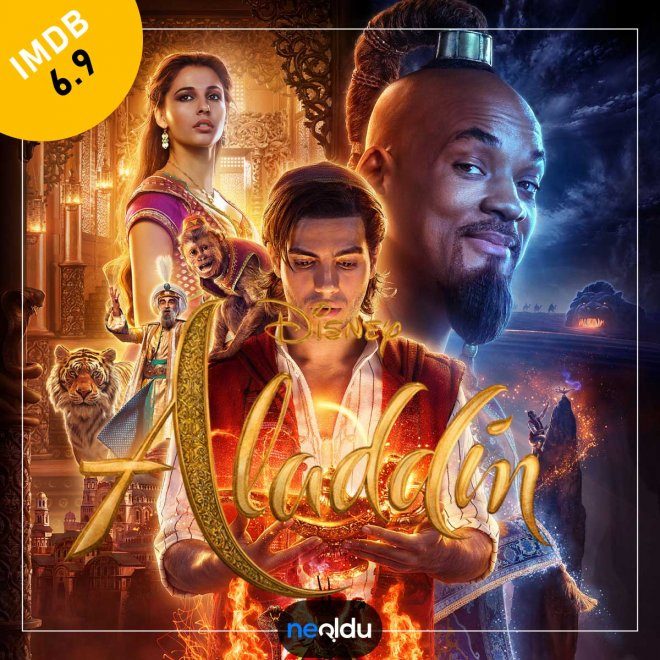
Take Aladdin. It’s not just a cartoon anymore. It’s a cultural reset.
The Magic of the Lamp
When Disney tapped into the “One Thousand and One Nights” anthology, they didn’t just copy-paste. They filtered it through a very specific lens. Arabian Nights vibes mixed with Hollywood musical structure. The result? A film that feels both ancient and brand new.
“The street rat from Agrabah proves you don’t need royal blood to change the world.”
Aladdin (1992) wasn’t the first animated feature to touch on Middle Eastern folklore. But it was the first to make it cool. To make it chart-topping.
How It Changed the Game
Before Aladdin, animated movies were often seen as “just for kids.” This one broke that ceiling. The voice acting. Robin Williams’ Genie wasn’t just reading lines. He was improvising. He was breaking the fourth wall. He was making us laugh while a talking carpet flew across the screen.
The animation style was different too. Less rigid than the Renaissance era that preceded it. More fluid. More expressive.
- Voice Casting: Robin Williams brought improv comedy to animation.
- Music: Alan Menken and Howard Ashman crafted songs that stuck.
- Visuals: The cave of wonders sequence still holds up.
Why does this matter today? Because Aladdin set the template. Every fairy tale movie since has had to answer to it. How do you adapt a story with so many moving parts? How do you keep the soul of the original while making it palatable for a global audience?
Aladdin found the balance. By accident. By genius. Or maybe just by having one of the most talented comedians of the 90s screaming inside a lamp.
Where to Watch It Now
You can stream Aladdin on Disney+. It’s part of the core library. But the real value isn’t in hitting play. It’s in realizing how much this film shaped pop culture. The songs. The slang. The way we talk about magic now.
It’s not just a movie. It’s a reference point.
The story of the street rat and the genie is simple. But the execution? Complex. Layered. Fun. That’s why we keep coming back. That’s why the next generation will watch it too.
What’s next in the pantheon of fairy tales? The list is long. But Aladdin remains the entry-level ticket. The gateway drug. The one that got us hooked.
And we’re still hooked.
You remember the original. The hand-drawn classic. But in 2019, Disney decided it was time to bring Agrabah back to life with live-action effects and a very different energy. Guy Ritchie took the director’s chair, and immediately, you could tell this wasn’t going to be a polite retelling. It’s messier. Faster. Louder.
The story stays largely the same. Aladdin is a street rat in a city that doesn’t care if he eats or freezes. He survives on petty theft because that’s what the game requires. Then, in a cave full of traps and treacherous geometry, he finds it. Not a genie lamp, but a dusty oil container that holds something far more volatile.
The Genie Shift
The biggest change? The Genie.
Will Smith doesn’t just play the role. He is the role. This isn’t the cartoonish blue giant from the ’90s. It’s a high-energy, pop-culture-referencing powerhouse who demands space. Critics had opinions. Some found it too meta. Others said it was the highlight of the film. Personally, the chemistry between Smith and Mena Massoud (Aladdin) works because they’re both trying to outmaneuver each other. It’s a dance.
“Will Smith’s Genie is less a magical servant and more a chaotic force of nature trying to break the fourth wall.”
Aladdin’s goal remains simple. He wants Jasmine. Not just to date her, but to change her life. And Jasmine, played by Naomi Scott, isn’t waiting to be saved. She’s plotting. She’s scheming. She’s trying to change the law that says she must marry a prince to rule. This version of Jasmine has teeth. She’s not a prize. She’s a partner in crime, even if she doesn’t know it yet.
The Villain’s Greed
Jafar (Marwan Kenzari) doesn’t want power for the sake of power. He wants control. And he knows Aladdin has the lamp. So he sends his spy, Razoul, and his own minions after the kid. The action sequences are tighter here. Ritchie brings his signature kinetic style. There are parkour chases through rooftops. Fight scenes that feel like a brawl in a market stall. It’s not pretty. It’s effective.
Is It Family-Friendly?
Yes. But don’t mistake “family-friendly” for “safe.” There’s tension. There’s stakes. The film understands that children notice when adults are lying to them. Aladdin lies to Jasmine constantly. The Genie lies to Aladdin about his wishes. The moral weight of those lies drives the second act.
IMDb ratings hover around 6.9. Not a masterpiece. Not a disaster. A solid, entertaining popcorn movie that respects the source material while trying to modernize it. If you’re looking for a 2019 film to watch with kids, this fits. It’s adventurous. It’s fantastical. It’s got Will Smith singing. That alone is worth the ticket price.
The Verdict
Aladdin (2019) is a fun ride. It doesn’t reinvent
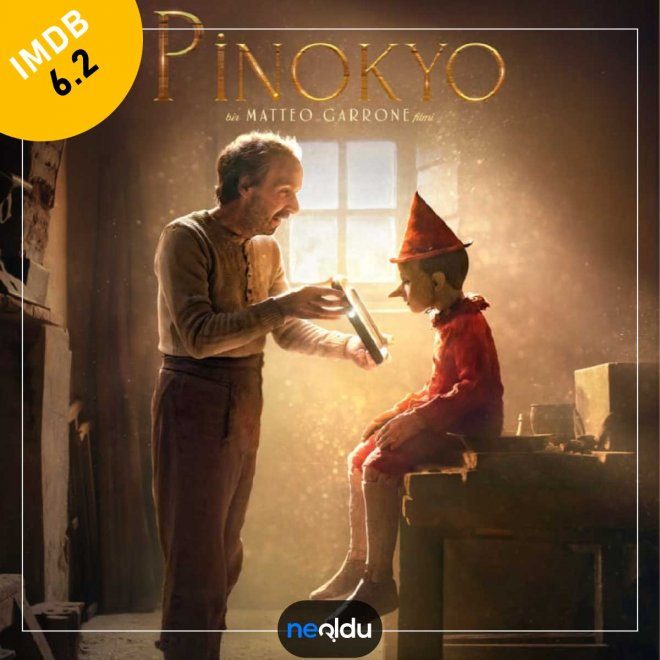
The line between puppet and person is blurry in Matteo Garrone’s Pinocchio. This isn’t the sanitized Disney version you remember from childhood. This is gritty. Real. The film follows the wooden boy, carved by Geppetto, as he desperately tries to fit into a world of flesh and blood.
He has thoughts. He has a heart. But he looks at humans and wants to be them. A fairy tells him that becoming human starts with courage. That simple prompt sends Pinocchio and his new friends into a chaotic, beautiful, and sometimes terrifying adventure across the Italian landscape.
It’s a fantasy, yes. But it’s also a drama that refuses to look away from the ugliness of the world. The IMDb score sits at a solid 6.2. Not a masterpiece for everyone, but it holds its ground. Released in 2019, Garrone brings a surreal realism to the classic tale.
Roberto Benigni plays Geppetto. You might know him from his role in Life Is Beautiful. Here, he’s rougher. More weary. Federico Ielapi plays Pinocchio. Rocco Papaleo brings the Fox to life. They anchor a story that feels ancient but strangely modern.
If you’re looking for a fairy tale that doesn’t hold your hand, this is it. The questions aren’t answered neatly. The ending doesn’t tie everything up with a bow. Pinocchio remains a work in progress.
Why Dumbo Matters
3. Dumbo
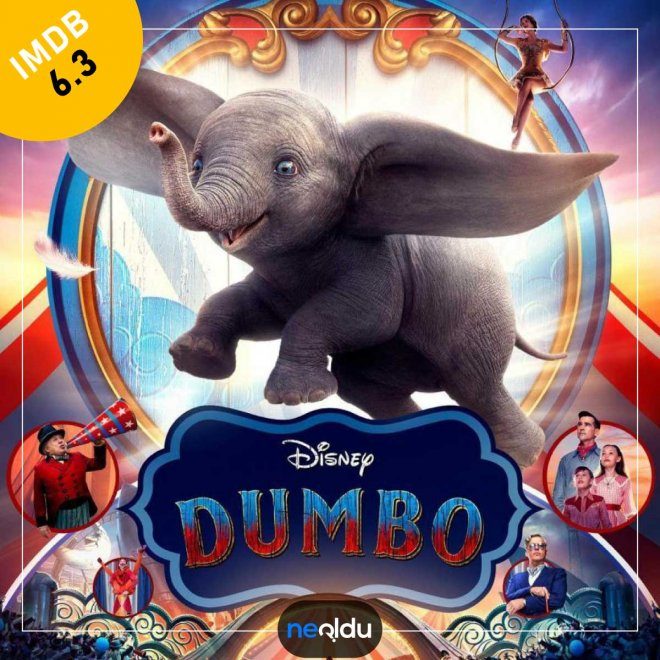
Tim Burton’un imzasını taşıyan 2019 yapımı Dumbo, klasik bir hikayeyi modern sinema diline çeviriyor. Sirke yeni katılan üç kişilik bir aile, kocaman kulaklı yavru filin bakıcılığını üstleniyor. Küçük Dumbo’nun minik hareketleri salonu kahkahaya boğsa da, asıl fark yaratan şey kulaklarının sağladığı havada kalma yeteneği. Aile, bu özellikten hemen faydalanarak gösterileri bir şova dönüştürür ve sirk halkını hayran bırakır. Ancak gerçek macera, bu başarıların gölgesinde yavaş yavaş kapılarını aralamaya başlar.
Dumbo (2019) Film Özeti ve Detayları
Yönetmen koltuğunda Tim Burton oturuyor. Senaryo Daniel Gerson’e ait. Film, 1941 yapımı aynı adlı animasyon filmine sadık kalarak hikayeyi yeniden anlatıyor.
Oyuncular ve Karakterler
– Colin Farrell
– Danny DeVito
– Michael Keaton
– Nico Parker
– Cosmo Jarvis
Film Bilgileri
– Tür: Aile, Macera, Fantastik
– IMDb Puanı: 6.3
– Yapım Yılı: 2019
– Yönetmen: Tim Burton
4. Mogli Orman Çocuğu
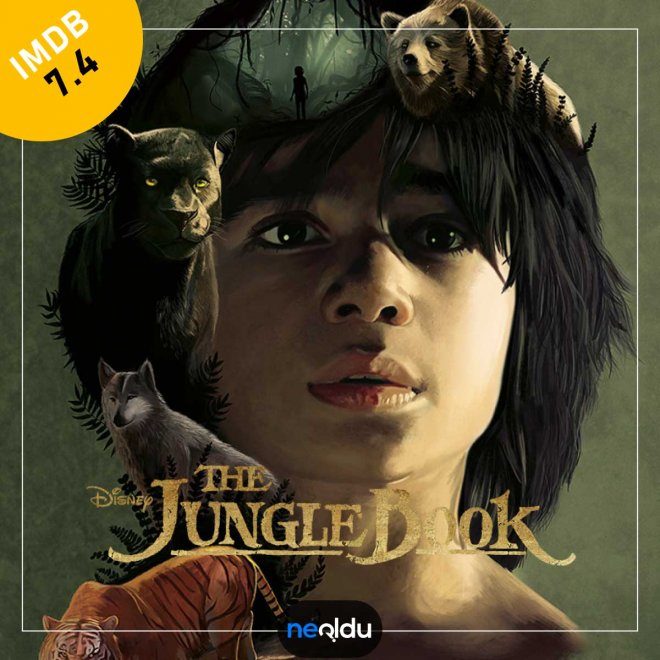
The story centers on a boy raised by wolves. Mogli isn’t just surviving the jungle; he’s living it. From the moment he was found, he’s been under the wing of Baloo the bear and Bagheera the panther. It’s a complicated dynamic. They love him. They teach him the rules. The Law of the Jungle is strict, unforgiving, and absolutely necessary if you want to stay alive out there.
But there’s one rule Mogli breaks by simply existing: Shere Khan doesn’t like him.
The tiger hates humans with a burning passion. It’s not a petty dislike. It’s primal fear mixed with rage. This animosity doesn’t just sit in the background. It sparks conflict. Real conflict. The jungle fractures along the lines of this hatred. Allies are tested. Trust is fragile. Mogli is caught in the middle of a power struggle that predates his birth.
A Different Kind of Villain
Shere Khan isn’t just a big cat. He’s a force of nature. Played by Benedict Cumberbatch, the tiger is terrifying because he’s intelligent. He’s patient. He waits. He doesn’t roar constantly. He calculates.
The film leans into this psychological horror. The jungle isn’t a Disney playground here. It’s gritty. It’s dangerous. The CGI is so advanced you can count the whiskers on Shere Khan’s face. But that detail serves a purpose. It makes the threat real. You feel the weight of his gaze.
Mogli’s journey is about finding his place between two worlds. The animal world rejects him because of Shere Khan’s influence. The human world is foreign and scary. He’s an outcast in both. That isolation drives the narrative forward. It’s not just about escaping a tiger. It’s about identity.
The Supporting Cast
Andy Serkis directs with a heavy hand on atmosphere. He understands that the environment is a character. The roots. The water. The shadows. Everything feels alive and watchful.
The voice cast carries the weight.
- Rohan Chand brings a raw, grounded energy to Mogli. He’s not a polished hero. He’s a kid who’s been beaten up by life and kept walking.
- Bill Murray as King Louie adds the required levity. The orangutan wants to know the secret of fire. He’s charming, greedy, and completely unbothered by the impending doom around him.
- Christopher Walken as King Louie’s henchmen? No, wait. Walken isn’t in this one. It’s Giancarlo Esposito and others in the monkey court. The scene with King Louie is a highlight. It’s flashy. It’s loud. It contrasts sharply with the quiet tension of Shere Khan’s stalking.
Why It Works (And Who It’s For)
The genre is adventure. But it’s heavy on drama. The IMDb score sits around a 6.5. That’s solid. It’s not a masterpiece, but it’s effective. It respects the source material while modernizing the stakes.
The release date was 2018. It arrived when audiences were hungry for big-screen spectacles that looked real. This delivered.
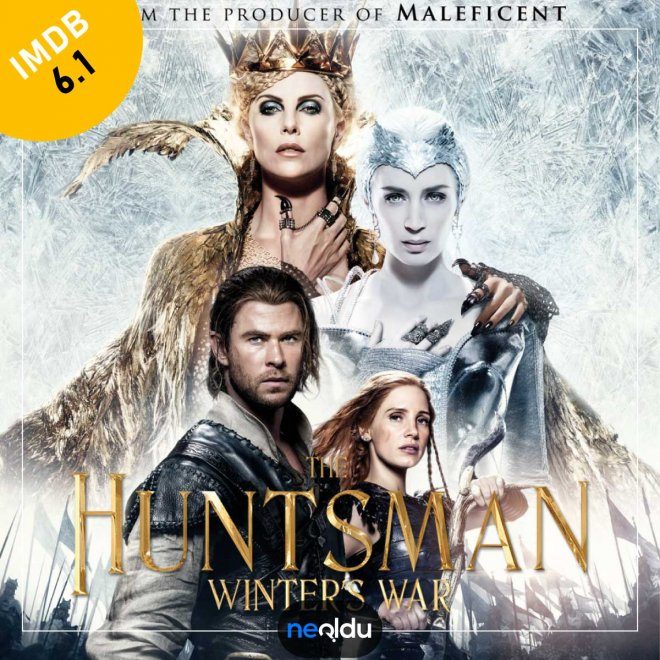
It’s not exactly The Little Mermaid by a long shot, but Snow White and the Huntsman (2012) still holds a weird, gritty charm in the pantheon of fairy tale reimaginings. While Cinderella leans into the glitz and glamour of Disney’s live-action trend, this film decided to take the story into the mud. And by mud, I mean a lot of dark forests, heavy armor, and a lot of screaming.
Chris Hemsworth plays the Huntsman, naturally. He’s brooding. He’s got a sword. He’s got a tragic backstory that he talks about every ten minutes. But the real draw here is the dynamic between him and Charlize Theron’s Ravenna. Theron is terrifyingly good as the Evil Queen. She doesn’t just want to be the fairest in the land; she wants to consume youth to maintain her beauty. It’s a metaphor for aging, sure, but mostly it’s just a reason for her to look stunning in velvet while committing atrocities.
Jessica Chastain plays the Huntsman’s lost love, Eric. She’s a fleeting memory that keeps him going. And then there’s Kristen Stewart as Snow White. Not the singing kind. This Snow White picks up a sword. She’s rough. She’s angry. She’s not waiting for a prince to save her from a poisoned apple. She’s saving herself.
The director, Cedric Nicolas-Troyan, came from a visual effects background, which explains why the movie looks incredible. The colors are saturated. The snow is crisp. The battles are chaotic in a way that makes you want to squint. It’s an action-fantasy hybrid that doesn’t take itself too seriously, even when it tries to be profound about power and corruption.
IMDb gave it a 6.1. That’s a solid “good time at the movies” score. It’s not high art. It’s not going to win you arguments at dinner parties. But it’s watchable. It’s fun. It’s got Hemsworth shirtless. It’s got Theron being scary. It’s got a dragon. What more do you need?
The film was released in 2012, not 2016 as some sources might mistakenly claim, though the confusion happens. The year doesn’t really matter. What matters is that it exists. It’s a weird little corner of Hollywood’s fairy tale boom. Cinderella gave you glass slippers. Snow White and the Huntsman gave you a machete. Both are valid.
“She didn’t need a prince. She needed a weapon.”
The ensemble cast works because they lean into the absurdity. Hemsworth is too cool. Theron is too powerful. Stewart is too tough. It’s a formula that could have fallen apart, but it holds together. Mostly.
There’s a scene where Snow White rides a horse through a storm that feels like it was ripped straight out of a video game. And that’s not a criticism. It’s a compliment. The movie knows what it is. It’s a spectacle. It’s loud. It’s colorful. It’s exactly what you want from a fantasy adventure.
The villain’s motivation is simple: vanity. It’s universal. Everyone understands the fear of getting older. Th
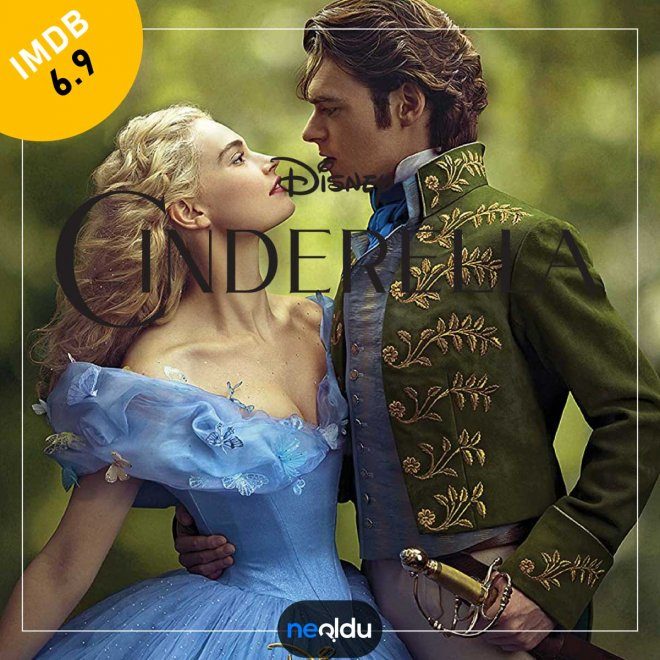
Let’s be honest. We’ve all seen the version of Cinderella where the glass slipper is the main character. But in Kenneth Branagh’s 2015 take? The focus shifts. It’s not just about a shoe. It’s about survival. And survival is messy.
The film lands squarely in the fantasy romance genre, though it wears a historical costume. Lily James plays Ella. She’s not the passive doormat of old fairy tales. Sure, she’s pushed around by Cate Blanchett’s Lady Tremaine and her daughters. The cruelty is real. The abuse isn’t glossed over for a sing-along moment. It’s sharp. It bites.
But then the prince shows up. Richard Madden. He’s not a perfect prince charming. He’s got an edge. When they meet, it’s not destiny handing them a script. It’s choice. A dangerous one.
The movie holds a 6.9 on IMDb. That’s solid for a genre film. It doesn’t try to reinvent the wheel. It polishes the spokes. The visuals are lush. The costume design? Impeccable. But the heart of the story beats in the quiet moments between the chaos.
“Love isn’t just a feeling. It’s a choice you make when the world is trying to break you.”
Branagh directs with a steady hand. The action sequences hit hard. The romance feels earned, not forced. It’s a modern fairy tale without the saccharine wrapper.
7. Jack the Giant Slayer
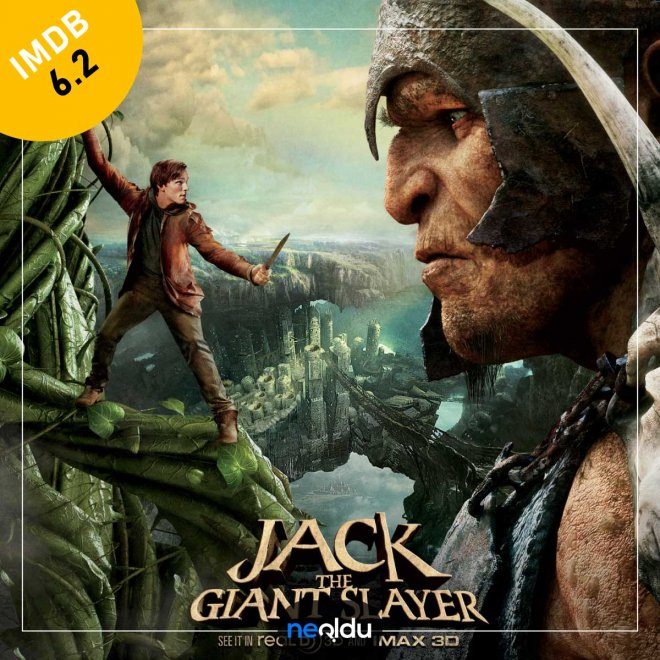
Annesinin ölümüyle birlikte babasından kalan araziyi sürdürmeye çalışan genç Jack, beklenmedik bir şekilde dünyanın kaderini değiştirecek bir yolculuğa çıkıyor. Hikaye, klasik “Jack and the Beanstalk” masalından ilham alıyor ancak burada her şey daha büyük, daha tehlikeli ve çok daha sinematik. Sihirli fasulye sırığı topraktan fırladığında, insan dünyası ile devlerin hüküm sürdüğü gökyüzü krallığı arasındaki perde aralanır. Bu geçit, sadece bir kapı değil, aynı zamanda bir uyarıdır. Zira devler, insanlığı köleleştirmek ve dünyayı istila etmek için geri dönüş yapmıştır.
Prensese Karşı Gelen Kalpler ve Görev
Hikayenin merkezinde, güzel Prenses Isabelle yer alıyor. Onun kaçırılması, Jack için kişisel bir acıdan öte, ulusal bir felaketin habercisidir. Çiftçi Jack, prensese olan içten aşkını gizlese de, onu kurtarma isteği onu askerlere koşmaya zorlar. Bu durum, sadece bir kahramanlık eylemi değil, aynı zamanda bir tutkunun dışavurumudur. Bryan Singer’ın yönetmen koltuğunda oturduğu bu yapım, macera ve fantastik türlerinin sınırlarını zorlar.
Film, 2013 yılında ekrana gelmesine rağmen, vizyona girdiği dönemde hayranları tarafından benzersiz bir atmosferle karşılanmıştır. IMDb’deki 6,2 puanı, filmin hem görsel şöleni hem de hikaye akışıyla izleyiciyi tatmin ettiğini gösterir. Nicholas Hoult’un canlandırdığı Jack, sıradan bir köylüden, devleri durduracak bir savaşa atılan bir kahramana dönüşürken, Eleanor Tomlinson’un rol aldığı Prenses Isabelle, sadece kaçırılan bir obje değil, kendi kaderini çizmeye çalışan güçlü bir figür olarak karşımıza çıkar.
Devlerin Tehdidi ve Sinematik Başarı
Bryan Singer’ın imzasını taşıyan Jack the Giant Slayer, görsel efektleriyle dikkatleri üzerine çeker. Devlerin heybetli varlığı, insan ordularının küçük kalmasına neden olur. Jack ve arkadaşları, bu devasa yaratıklara karşı stratejik bir savaş vermek zorundadır. Ewan McGregor’un rol aldığı karakterler ise Jack’in yanındadır. Onlar için bu savaş, sadece prensesi kurtarmak değil, insanlığın varoluşunu savunmaktır.
Film, masalsı öğeleri modern sinema diline uyarlayarak, genç ve yetişkin izleyiciye hitap eden dengeli bir anlatım sunar. Fantezi elementleri gerçekçi bir atmosferle harmanlanmış, aksiyon sahneleri ise nefes kesici düzeydedir. Devlerin gökyüzündeki kalesine yapılan yolculuk, sadece fiziksel bir tırmanış değil, aynı zamanda Jack’in kendi potansiy
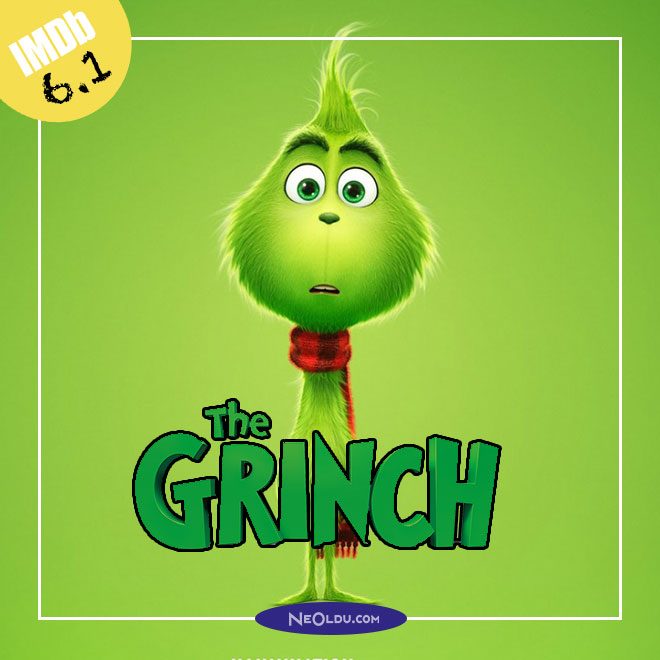
Jim Carrey’yi bu kadar sevdiğin kesin. Yıllar içinde maskeli oyun ustalığını her rolde farklı bir çalkantıyla ortaya koydu. Ancak 2018’deki bu animasyon projesinde işler biraz daha sert. Bu sefer kahkaha garantisi veren klasik bir aile filmi havasından çok, Jim Carrey Grinç sesi olarak bilinen o hırıltılı, gergin tınılara odaklanmak gerekiyor. Karakterin adı Grinç. Çirkin mi çirkin, huysuz mu huysuz. Kasabanın yılbaşı sevincini bir an önce bitirmek istiyor.
Yönetmen koltuğunda Scott Mosier ve Yarrow Cheney var. İsimler tanınmasa da endüstriyi bildiğin için biliyorsundur. Bu iki isim daha çok kısa filmler ve hızlı kurgulu yapımlarla hatırlanır. Burası da öyle. Hızlı. Keskin. Gereksiz süslemelerden arındırılmış.
Grinç’in Kasabaya Saldırısı
Olay örgünü basit. Yılbaşından nefret eden bir yaratık. Çevresindeki halkın sevincini zehirlemek isteyen bir plan. Ama bu seferki sürpriz biraz daha karanlık tonlarda. Grinç sadece hediyeleri çalmıyor. Daha fazlasını hedef alıyor. Ruhları. İnançları. Yılbaşı coşkusunun kendisini.
Filmin IMDb puanı 6,1. Bu ortalama bir skor. Çok iyi değil. Çok kötü de değil. Tam “bir akşam sıkılmadan izlenebilir” aralığında. Animasyon tarzı daha çok modern televizyon standartlarına uygun. Sinema perdesinde büyü yapmaz. Ama ekran başında rahat oturup gülmek istiyorsan halleder.
Türkçe Seslendirmesi ve Oyuncular
Türkçe altyazı veya dublaj tercihine göre değişir. Dublajında Yekta Kopan’ın Grinç sesi var. Kopan’ın tınıları zaten keskin. Grinç’in o sinirli, tiz ve aşağılayıcı tonunu iyi yakalıyor. Yan karakterlerde Azra Ayorak ve Ebru Saçar Aktaç seslendiriyor. Eski takipten gelen isimler. Sesleri tanıdık. Rahatsız etmiyor.
Dilersen yabancı orijinal sesleri dinle. Carrey’nin performansı zaten o kadar ikonik ki. O sesi duymadan Grinç’i düşünemiyorsun artık. Bu bir miras. 2000’li yılların en büyük gişe darbelerinden biri olan live-action filme karşı duran bir ses var burada.
Neden İzlemeli veya İzlememeli?
Türü animasyon. Hedef kitlesi aile. Ama eğer küçük çocuklar varsa biraz dikkatli ol. Grinç’in planları bazen biraz fazla agresif. Çocuklar için biraz
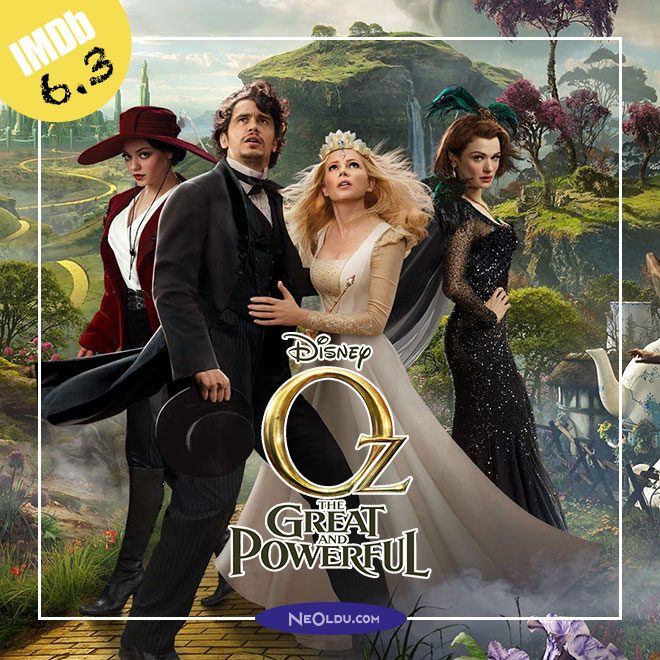
Oscar Diggs. İsim olarak bir sirk sahnesine, karakter olarak ise tam bir yarı-yarıya uymuyor değil. James Franco’un canlandırdığı bu karakter, küçük çaplı bir sihirbaz. Para kazanıyor. İnsanları kandırıyor. Ahlak kodları da bayağı esnek. Kansas’ın tozlu topraklarında, geçimini bu hilelerle sağlayan bir dolandırıcı profili çiziliyor. Ta ki, bir anda her şey değişene kadar.
Tek bir anda, bulutların ötesine geçip kendini Orta Batı’nın en çılgın hayal ürünü olan Oz Diyarı’nda buluyor. Turnayı gözünden vurmuş gibi hissediyor. Yanlış yere, yanlış zamanda, yanlış insanların ortasında. Ve işler bu noktada ciddiye biniyor.
Neden Bu Film? Oz Diyarı’nın Kara Aynası
Sam Raimi’nin yönettiği Oz the Great and Powerful (Oz Büyücüsü), L. Frank Baum’ın klasiklerinden ilham alıyor ama o masum havayı yok ediyor. Yerine daha karanlık, daha gri bir ton koymuş.
IMDb puanı 6.3. Bu, “izlenebilir, eğlenceli ama kusursuz değil” demektir. 2013 yapımı olan film, fantastik macera ve aksiyon türlerinin sınırında geziniyor.
Oscar, Oz’da büyük bir güç boşluğu görür. Halk korku içinde. Büyücü denilen biri gelip onları kurtaracak mı, yoksa yok mu? Oscar, kaçmaya çalışır. Başaramaz. Zaman daralmaya başlar. Kimin dost, kimin düşman olduğunu ayırt etmek için çok az vakti vardır.
Sihrin Arkasındaki Gerçek
İllüzyon. Göz kamaştırma. Ateş oyunları. Oscar’ın silahı budur. Oz’da bunu büyüyü sanırlar. İnsanlar inanır. Ve inanmak, Oscar’a kapılar açar.
“Büyücüyü yapmak için büyülü olmana gerek yok, sadece onlara inandırman yeterli.”
Oscar, bu inançla Oz’un en güçlü figürü haline gelir. Ama süreç onu değiştirir. Yanlış adımlar, yanlış itiraflar… Sadece bir sihirbaz olmaktan çıkıp, gerçekten daha iyi bir adam olmaya başlar. Karakter gelişimi burada önemli. Bir dolandırıcının, bir lider olmaya zorlanması.
Oyuncu Kadrosu: Kim Kimin Neresinde?
James Franco lider kadroda. Mila Kunis ise en göz alıcı rakip. Rachel Weisz de karşınızda.
James Franco : Oscar Diggs. Çirkin ve güzelin ortasında, ilk bakışta pek de çekici olmayan biri. Ama zamanla değişiyor.
Mila Kunis : Theodora. Kötü cadı değil, sadece kıskanç bir kadın. Aşk acısı işte.
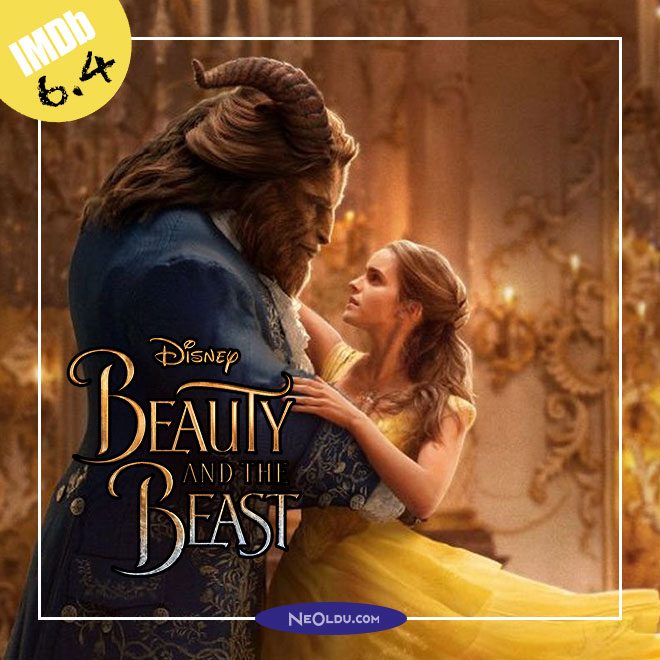
Emma Watson, Leа Seydoux’un yerini aldı ama gerilim havası hiç kaybolmadı. Christophe Gans, Kurtların Kardeşliği ile Sessiz Tepe’deki karanlık dokuyu Beauty and the Beast’e taşıdı. Vincent Cassel ile Lea Seydoux’un kimyası sinemadakilr. Fantastik ve romantik unsurların yanında gerilim de var. IMDb 6.4. 2017 gösterim tarihi. Yönetmen Bill Condon. Oyuncular Emma Watson, Dan Stevens, Luke Evans.
Alice Harikalar Diyarında
Tim Burton’ın elinden çıktığı için beklediğiniz her şey olmayabilir. Mia Wasikowska, Johnny Depp ve Helena Bonham Carter’ın performansı filmi taşıyor. 2010 yapımı film, modern bir uyarlama denemesi olarak kabul ediliyor. Çocukluğun kayboluşu tema olarak işleniyor. Görsel efektler hala etkileyici. Düşlerin gerçekliği sorgulanıyor.
“Gerçeklik, rüyalar kadar gerçek mi?”
Alice, kızılıncı dünyaya geri döner. Büyükelçi gibi bir rol üstlenir. Şekerleme, Beyaz Kraliçe ve Delice Kılıç Beyi ile tanışır. Tim Burton imzası her karede belli. Kostüm tasarımları Oscar’a aday gösterildi. Müzikler Danny Elfman tarafından bestelendi. Film, gişede başarılı oldu. Ancak eleştirmenlerden karışık yorumlar aldı.
Karşılaştırma ve Etki
Güzeller ve Çirkin ile Alice Harikalar Diyar arasında benzerlikler var. Her iki film de karanlık bir masal tonunda. Ancak Burton’ın tarzı daha sürreal. Gans’ın uyarlaması daha dramatik. İzleyici tercihi buna göre şekilleniyor. Fantastik türünün sınırları genişliyor. Müzikal elementler her iki filmde de önemli. Dans sahneleri ve şarkılar hikayeyi ilerletiyor.
Neden İzlenmeli?
Siyah beyaz detaylar dikkat çekici. Kostümler dikkat çekiyor. Hikaye, basit bir masal değil. Karakter gelişimleri derinlikli. Alice’in büyüme süreci anlatılıyor. Johnny Depp’in Delice Kılıç Beyi performansı ikonik. Helena Bonham Carter da etkileyici. Mia Wasikowska’nın soluk kesen oyunu var. Film, ailece izlenebilir ama karanlık anları var.
Detaylar ve Arka Plan
Görsel efektler için Weta Digital kullanıldı. Set tasarımları detaylı. Kostümler Edith Head tarzında. Müzikal numaralar dikkat çekici. Film, 3D formatında gösterildi. Gişe hasılatı 1 milyar doları aştı. Oyuncu kadrosu uluslararası. Çekimler İngiltere’de yapıldı. Post-production süreci uzun sürdü. Renk paleti canlı ve canlı değil.
Sonuç Yerine
Sonuç olarak, her iki film de
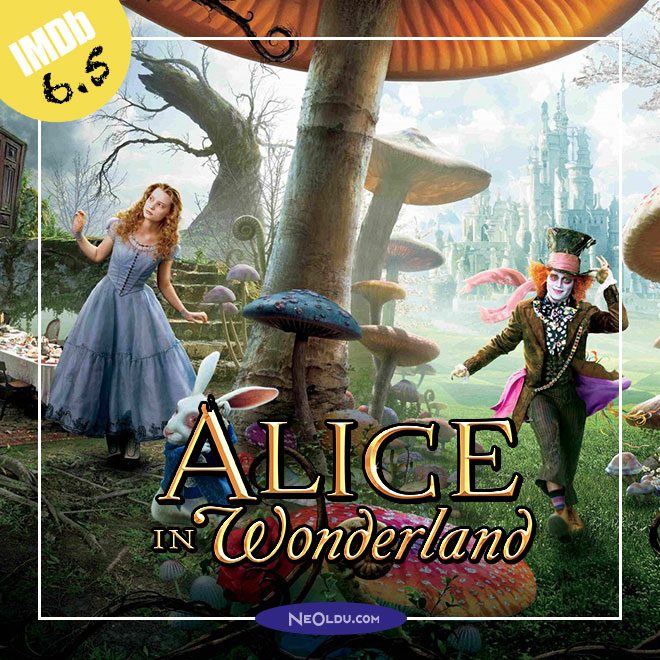
Alice in Wonderland: Tim Burton’ın Büyülü Dünyası
Alice’i yeniden hayata geçiren Tim Burton, güçlü bir kadın imajını merkezine alarak 17 yaşındaki kızın serüvenini ekranlara taşıyor. Linda Woolverton’ın çocuk romanından uyarlanan Alice in Wonderland, sosyeteye tanıtım partisinde beyaz bir tavşanı takip etmesiyle her şeyin değiştiği noktadan başlıyor. Bu klasik hikaye, modern sinema diline ve Burton’ın gotik estetiğine dönüştürülerek izleyicinin karşısına çıkıyor.
Burton ve Johnny Depp, bu filmle birlikte yedinci kez birlikte çalışıyor. İkilinin iş birliği, sinema tarihinin en dikkate değer ortaklıklarından biri olarak kabul ediliyor. Filmin kadrosunda Depp’in yanı sıra, Burton’un sürekli iş ortağı ve eşi Helena Bonham Carter da yer alıyor. Bonham Carter, filmin antagonistlerinden biri olan Kırmızı Kraliçe ’yi canlandırarak karaktere hem tehditkar hem de absürt bir hava katıyor.
Oyuncu kadrosundaki diğer büyük sürpriz ise Anna Hathaway. 2009 yılında En İyi Kadın Oyuncu Oscar’ına aday gösterilen Hathaway, Alice in Wonderland filminde White Queen’i oynuyor. Mia Wasikowska başrolde Alice olarak yer alırken, Matt Lucas da karakterler arasına dahil oluyor.
Filmin türü fantastik macera ve aile filmlerini birleştiriyor. IMDb puanı 6,5 olarak görünüyor. Gösterim tarihi 2010 yılının Mart ayına denk geliyor. Yönetmen koltuğunda Tim Burton oturuyor.
12. Spiderwick Günceleri
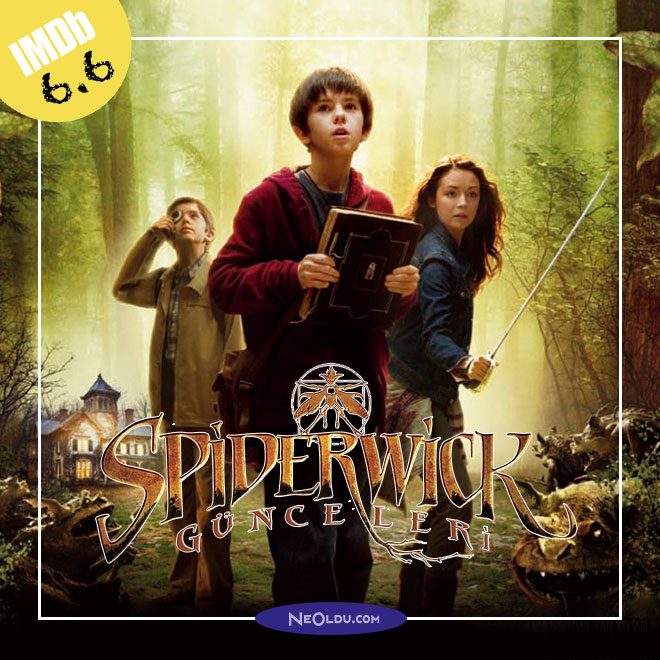
The Spiderwick Chronicles: More Than Just Fairies
Jared, Simon, and their older sister Mallory are dropped into Spiderwick, New England. It’s not a dream suburb. The house is crumbling. The streets are quiet in a way that feels suspicious. They think they’re going to be bored stiff. They couldn’t be more wrong.
The air here is thick with magic. Fairies aren’t just stories. They’re real, and they’re everywhere. But periwigs are the least of the trio’s worries. The household is teeming with other fantastical beings. Creatures that don’t belong in a suburban split-level. The Spiderwick Chronicles (2008) dives headfirst into this hidden world.
Directed by Mark Waters, the film shifts the tone from the cozy whimsy of Charlie’s Chocolate Factory to something grittier. You’re looking at a rating of 6.6 on IMDb. It’s solid. Not perfect. But effective enough to keep you watching.
A Guide to the Hidden World
The siblings discover an old field guide. It’s the key to understanding what’s stalking them in the woods. Without it, they’re blind. With it, they realize the danger is immediate.
Freddie Highmore plays the role of the skeptical twin, while Mary-Louise Parker brings a weary resilience as their mother. Sarah Bolger holds down the role of the protective older sister. The chemistry feels grounded. Real. Even when the CGI goblins are on screen.
“The house wasn’t just old. It was watching them.”
Why It Stands Out
Unlike many fantasy films that rely on clear-cut heroes and villains, Spiderwick plays in the gray areas. The “good” fairies are as likely to trip you up as the “bad” ones. It’s a lesson in humility.
- The Setting: New England decay adds texture.
- The Creatures: Based on real folklore, not just studio invention.
- The Stakes: Survival depends on knowledge, not just bravery.
It’s a different flavor of magic. Less candy-colored wonder. More survival horror with a heart.
Comparing It to Willy Wonka
If you loved the visual spectacle of Charlie’s Chocolate Factory, this offers a different kind of charm. The whimsy here is darker. The stakes are higher. The characters are less innocent.
The transition from suburban boredom to magical survival is jarring. Intentionally so. It mirrors the feeling of discovering a secret that changes everything.
The film doesn’t explain everything. It leaves you with questions. About the guide. About the guardians. About what’s really happening in Spiderwick.
It’s a standalone adventure. But it feels like part of a larger, untold mythos. You finish the movie wondering what else is hiding in the shadows of the town.
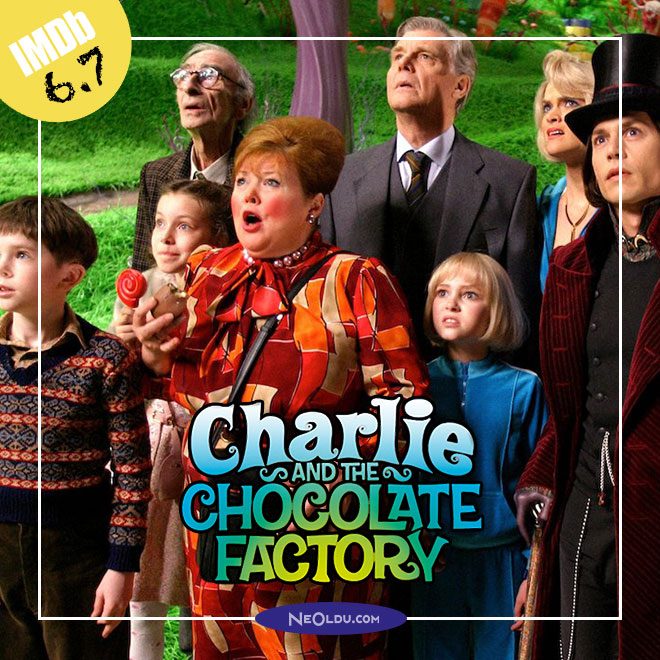
Charlie Bucket lives in a shack with his entire extended family. It’s cramped, it’s poor, and chocolate is a distant luxury. But there’s one thing the Bucket kids dream about: Wonka’s factory. The walls are high, the gates are locked, and Willy Wonka himself is a myth wrapped in chocolate.
How did a factory make so much money? No one knows. They just know Wonka disappeared years ago. And now, he’s sending out golden tickets.
The Search for Gold
Only five kids will get inside. That’s the rule. Charlie finds one. Not by buying bars by the case, but by sheer luck in a snowy field.
“The factory is open.”
Tim Burton directs this with a hand-puppet aesthetic. Johnny Depp wears the hat. Freddie Highmore plays the boy who actually cares about the candy.
Is it a comedy? Yes.
Is it fantasy? Absolutely.
Is it for families? Sure.
The IMDb score sits at a steady 6.7. It’s not a masterpiece. But it captures the wonder. When Charlie steps through the doors, the camera pulls back. The scale is huge. The colors are artificial. It feels like a dream you can’t quite wake up from.
The other kids? They’re greedy. Violet turns blue. Augustus falls in the river. Veruca wants the squirrels. Mike gets shrunk.
Charlie stays good. He doesn’t try to steal anything. He doesn’t demand a prize. He just watches.
And that’s why he wins.
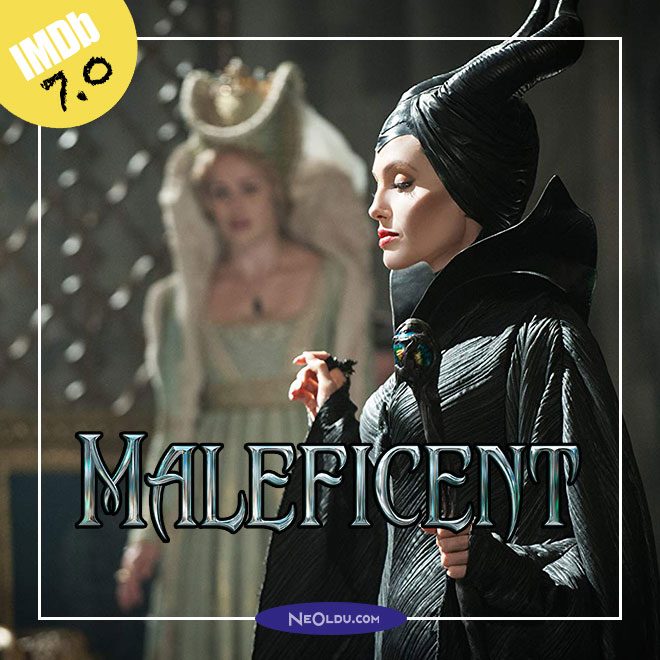
The Dark Fairy Returns: Why Maleficent Redefined the Sleeping Beauty Myth
Angelina Jolie didn’t just play a villain in Maleficent. She dismantled one.
The film flips the script on the classic Sleeping Beauty tale, turning the once-noble prince into a greedy usurper and the wicked fairy into a misunderstood protector. It’s a fantasy adventure that leans heavy on visual spectacle but earns its emotional beats through Maleficent’s transformation from a vengeful outcast to a reluctant mother figure.
Directed by Robert Stromberg, the film opens with a brutal betrayal. We see a young Maleficent witnessing humans attacking her forest realm. The trauma hardens her. She becomes kindar and stone-hearted, exactly as the Turkish summary suggests. Her revenge? A curse on Aurora, the human king’s daughter.
“Sleep in eternal sleep… until true love’s kiss awakens her.”
That’s the famous line. But the movie knows that line is outdated.
As Aurora grows up in the forest, shielded from her father’s court, Maleficent realizes something unexpected. Aurora isn’t just a pawn in a revenge plot. She’s the key to a real peace between the two worlds. The curse wasn’t the end of the story. It was the bridge.
Why It Works
The chemistry between Jolie and Elle Fanning anchors the film. Fanning brings a quiet grace to Aurora, while Jolie’s Maleficent is all sharp angles and sharper wit. Sharlto Copley adds comic relief as Diaval, Maleficent’s shapeshifting familiar, keeping the tone from getting too heavy.
The visual design is stunning. The Moors aren’t just a forest; they’re a character. Glowing flora, twisted trees, and bioluminescent creatures create a world that feels ancient and alive. It’s not Disney’s polished castle. It’s wild. It’s dangerous. It’s home.
The Verdict
With an IMDb rating of 7.0, Maleficent holds its own in the crowded fantasy genre. It’s not perfect. Some plot points feel rushed. The human court scenes are a bit clunky. But the heart of the story beats strong.
It’s about trauma. It’s about healing. It’s about realizing that love isn’t always a kiss from a prince. Sometimes it’s a mother’s choice to protect her child.
Jolie’s performance elevates the material. She makes Maleficent terrifying yet sympathetic. You don’t root for the curse. You root for the resolution.
The film asks a simple question: What makes a monster? Is it the magic? Or is it the pain that drives it?
Maleficent doesn’t give easy answers. It gives a spectacle. A story. A second chance.
And for fans of reimagined classics, that’s enough.
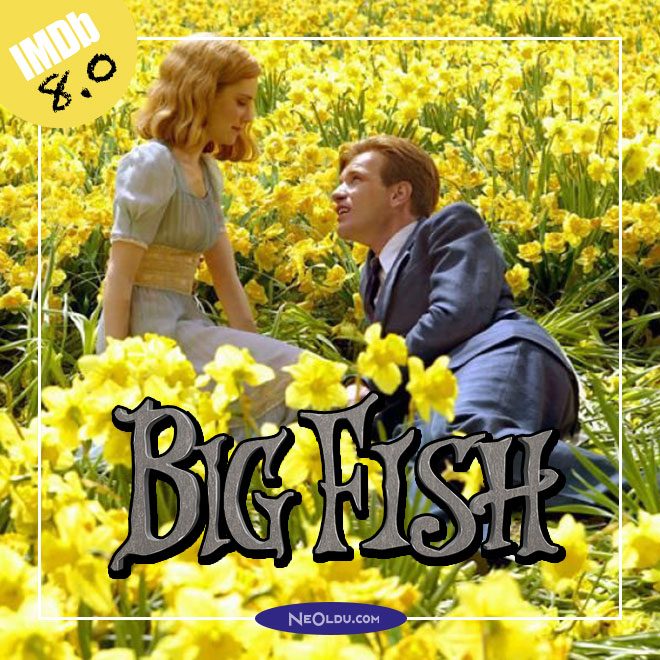
Ewan McGregor’un babası, amansız bir hastalığın pençesinde hayatını kaybetmek üzereyken geri dönüş yapmak zorunda kalır. Bu geri dönüş, sadece bir vedalaşma değil, aynı zamanda derin bir keşif yolculuğudur. William, daha önce hep mesafeli durduğu babasını gerçekten anlamak için onun gençlik yıllarına, o renkli ve karmaşık kişiliğin arkasındaki hikayelere kafa yorar.
Tim Burton’un yönetmen koltuğunda oturduğu bu yapımda, babasının geçmişinden toplanan anılar bir bulmacanın parçaları gibi yerini bulur. Gezgin bir satıcı olarak yaşadığı maceralar, neden böyle olduğu hepimizi merak ettiren bir adamın yaşamını en masalsı ve gerçekçi yönleriyle ortaya çıkarır. Zaferleri ve zaaflarıyla birlikte, bu film geçmişin en iyi örneklerinden biri olarak kabul ediliyor.
Neden İzlenmeli?
Film, dram, romantizm ve komedi öğelerini harmanlayarak izleyiciye benzersiz bir deneyim sunuyor. 2003 yılında gösterime giren yapım, IMDb’den aldığı 8.0 puanla da göz kamaştırıyor. Albert Finney ve Jessica Lange gibi usta oyuncuların başrolünde olduğu film, Ewan McGregor’un performansı da dikkat çekiyor.
“Kendi türünden gelmiş geçmiş en iyi filmler arasında yer alan bu hikayeyi mutlaka ama mutlaka izlemenizi tavsiye ederiz.”
Tim Burton’ın imzası taşıyan bu yapım, sadece bir film değil, bir duygusal yolculuk. Babasıyla olan ilişkisini yeniden tanımlayan William’ın hikayesi, izleyiciyi derinden etkiliyor. Eğer siz de derinlikli, duygusal ve aynı zamanda büyüleyici bir sinema deneyimi arıyorsanız, bu film tam size göre.
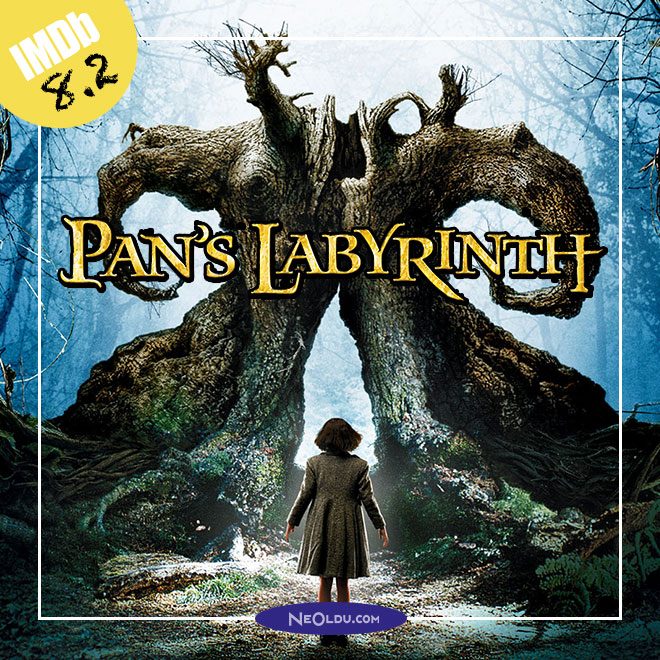
The Labyrinth: Del Toro’s Dark Fairy Tale
Guillermo del Toro didn’t just direct Pan’s Labyrinth. He carved a hole in reality and stepped through it. Before Blade 2. Before The Devil’s Backbone. This was his entry into the Cannes Film Festival, fighting for the Palme d’Or in 2006. It wasn’t a crowd-pleaser. It was a nightmare wrapped in a fairy tale.
The story follows Ofelia. She’s ten years old. She’s just moved with her pregnant mother and cruel stepfather, Captain Vidal, to a crumbling farmhouse in post-Civil War Spain. The year is 1944. The war is over, but the violence isn’t.
In the backyard, she finds a stone labyrinth. It’s ancient. It’s quiet. And it’s waiting.
Inside, she meets Pan. A creature with goat legs, tree-like skin, and eyes that have seen too much. Pan doesn’t offer candy. He offers tasks. Three impossible tasks to prove she is the reincarnation of the king’s lost daughter.
This isn’t Disney.
If you’re looking for Guillermo del Toro fantasy films, this is the pinnacle. It blends horror with wonder. The practical effects still hold up. Doug Jones wears the Pan suit. Ivana Baquero plays Ofelia with a terrifying innocence. The film demands you feel the mud, the blood, and the magic.
It’s a story about obedience versus truth. About growing up in a world that wants you broken. The labyrinth itself is a metaphor. You can’t just walk in. You have to know the rules. And if you break them, the consequences are real.
The cinematography is lush but cold. Green tones dominate. It feels like being underwater. Or buried alive.
Ofelia faces a choice at the end. Survival or integrity. Most kids would choose survival. She chooses differently.
The film didn’t win the Palme. But it won something better. Respect. And a cult following that refuses to let it die.
Why It Still Matters
Years later, people still argue about the ending. Some say it’s a tragedy. Others say it’s a triumph.
Del Toro never gives you a straight answer. He leaves you in the dark. Just like the labyrinth.
That’s why Pan’s Labyrinth movie review discussions never really end. It’s not just a fantasy. It’s a war story. A child’s story. A horror story. All at once.
The soundtrack by Javier Navarrete is haunting. The score lingers long after the credits roll. You start hearing whispers in quiet rooms.
Is it about fantasy escaping reality? Or reality devouring fantasy?
Maybe both.
Ofelia closes her eyes. The knife comes down.
And then…
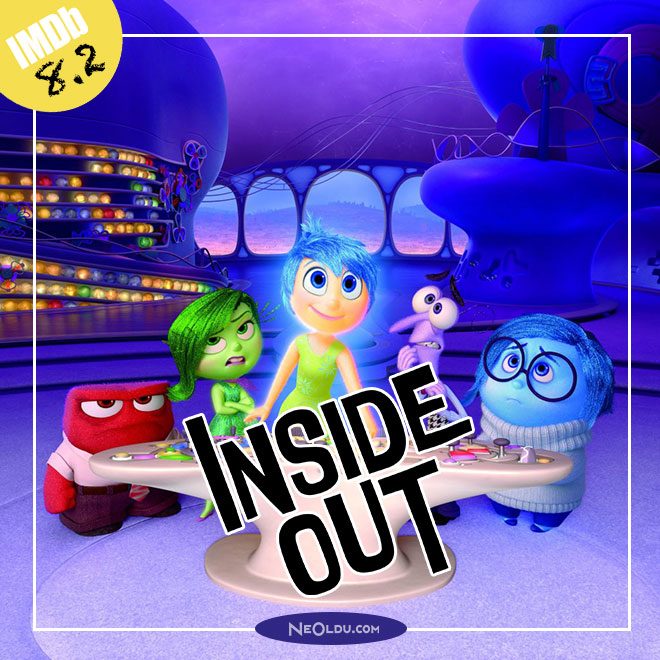
Moving from the Midwest to San Francisco is not just a change of zip code for eleven-year-old Riley. It is a seismic shift that fractures her world. The film Inside Out captures this disintegration with startling precision. We watch Riley struggle to fit into her new environment. She tries to act normal. She fails. The disconnect between who she was and who she must become creates a void.
At the center of this void is the command center of her brain. Here, five personified emotions manage her every reaction. Joy leads the charge. She wants everything to stay positive. She pushes for happiness. But she cannot control the narrative alone. Anger, Fear, Disgust, and Sadness are present. They each have a say. Their conflicting agendas drive Riley’s behavior.
The Emotional Crisis
When Riley moves, her brain’s headquarters faces a crisis. Joy tries to maintain the status quo. She believes that if she keeps Riley smiling, the transition will work. It doesn’t work. The new school is hard. The friends are gone. The house feels empty.
The other emotions react differently. Anger fights the new rules. Disgust rejects the unfamiliar food and social norms. Fear warns of potential dangers. Sadness observes. In the chaos, Joy and Sadness get lost. They leave the control room. This separation triggers the breakdown. Without Joy’s constant optimism, Riley becomes apathetic. She withdraws.
“Sadness is not a flaw. It is a signal that something needs attention.”
The film visualizes this internal struggle. We see the islands of personality crumbling. The Island of Family collapses first. Then the Island of Hockey. These structures represent her core identity. As they fall, Riley loses her sense of self.
A Deeper Look at the Emotions
The cast brings these concepts to life. Amy Poehler voices Joy. Her energy is infectious but sometimes overwhelming. Bill Hader plays Fear. He is anxious by nature. Lewis Black delivers Anger with a fiery intensity that masks his desire for order. Phyllis Smith provides the quiet, grounding presence of Sadness. Mindy Kaling and Diane Lane round out the group as Disgust and Mom’s emotions.
Pete Docter directs the film. He understands that growing up is messy. It is not a straight line. It is a series of adjustments. The animation style reflects this. The mind is a vast, surreal landscape. Memory orbs float like planets. Personality islands are distant continents.
Why It Resonates
People rate Inside Out highly. It holds an IMDb score of 8.3. Audiences recognize the truth in its premise. We all have these voices in our heads. We all struggle to balance them. The film does not offer a perfect solution. It offers understanding.
Riley’s journey is universal. Every child faces a moment where their old self no longer fits. The new self is awkward. It is uncertain. It requires support. Joy learns that she cannot do it alone. She needs Sadness. This realization is the key. Accepting negative emotions allows for healing. It allows for growth.
The movie is an animated adventure. It is also a comedy. But beneath the humor lies a serious exploration of mental health. It shows how emotions interact. It shows how they