We sit through three hours of Avatar: The Way of Water or the multiverse mess of Spider-Man: No Way Home and just accept the visuals. It’s magic, right? Not really. It’s engineering. A lot of it is new, expensive, and incredibly specific. Computer-generated imagery is the headline, sure. But the underwater performance capture cameras? That’s the hidden heavy lifter. Innovation drives these blockbusters. Always has.
Just because we have microchips now doesn’t mean filmmakers waited for them. They never do. Long before the digital age, directors stared at a problem and said, “I need a machine that doesn’t exist yet.” So they built it. They didn’t wait for permission. They didn’t wait for a software update. They invented the tools to make the picture work.
Here are seven films where the technology was the plot twist.
The Gulf Between (1917) and the First Underwater Cinema
Start early. Way early. 1917. D.W. Griffith’s The Gulf Between needed something nobody had done before. He wanted to shoot underwater. Not a bucket of water in a studio. Real ocean footage.
The problem? Cameras didn’t like water. Not even a little bit. So Griffith’s crew had to invent the first waterproof camera housing. They used a glass-plate camera sealed in a waterproof case. It was clunky. It was risky. But it worked.
“The right technology didn’t yet exist, these filmmakers created the tools they needed.”
That’s the pattern. You don’t adapt to the tech. You force the tech to adapt to your vision. The Gulf Between gave us the first true underwater cinematography. It wasn’t pretty by modern standards, but it was possible because someone decided “no” wasn’t an option.
Why Technicolor wasn’t the first color movie
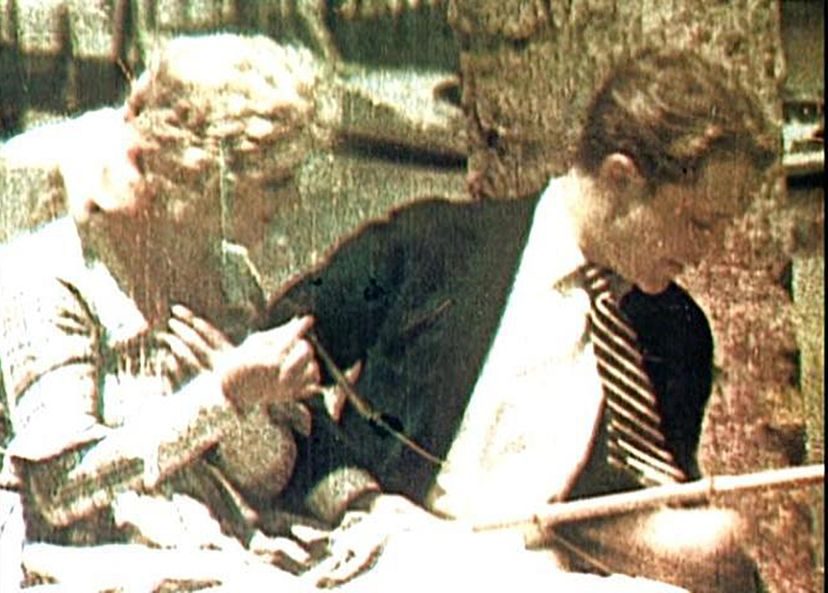
You picture The Wizard of Oz and see Technicolor. It makes sense. The 1939 musical remains the most virtuosic use of that specific tech. But the timeline gets messy if you stop there. Technicolor actually debuted in 1917. Wray Physioc’s The Gulf Between pioneered the process.
A tragedy of film preservation? No intact copies survive.
It stayed Hollywood’s gold standard through the 1950s. Then Kodak’s new color film technologies took over. The shift wasn’t sudden. It was inevitable.
How “The Jazz Singer” broke the silent film mold
The Jazz Singer (1927) is cinema’s first “talkie.” That label sticks for a reason. It was the first feature-length film to feature synchronized pre-recorded sound. Before Alan Crosland’s landmark directorial effort, audiences relied on intertitles for dialogue. Musicians in the theater provided the underscore. Live. Every night.
Crosland changed the game.
Here is the catch. Only the sung portions had pre-recorded sound. Dialogue still used subtitles. But the template was set. Essentially every film that followed borrowed from this blueprint.
The industry pivoted overnight.
One detail often glossed over. Lead actor Al Jolson performs in blackface. It’s a practice now widely understood as inappropriate. The film’s technical milestone doesn’t erase that context. It sits right there. Uncomfortable. Real.
Why “Metropolis” still haunts sci-fi
Metropolis (1927) arrived the same year. Fritz Lang’s epic didn’t have sound. It had vision. Massive scale. A dystopian cityscape that felt alive.
It’s a silent film, sure. But the imagery screams.
Lang built sets that dwarfed the actors. The machinery pulsed. The social divide between workers and elites wasn’t just written in scripts. It was architectural. This wasn’t just a movie. It was a blueprint for cyberpunk before the term existed.
The editing was relentless. The special effects? Groundbreaking for their time. Ray Harryhausen watched this in a theater and decided to become an animator.
Does it hold up?
Some pacing feels slow by modern standards. The plot involves a robot Maria. You won’t believe how central the robot is. Yet the visual language remains unmatched. It asks big questions about technology and humanity. Questions that still linger today.

How Metropolis Built Its City Without Sound
Sound didn’t exist in Metropolis. Not really. Fritz Lang’s 1927 masterpiece was silent, released the same year Al Jolson opened his mouth in The Jazz Singer. That lack of audio innovation? It forced the visuals to scream louder.
Lang’s film didn’t just show a city. It built one.
It was the first movie to use miniature models to represent a sprawling metropolis. But models alone are static. To make them breathe, the team used the Schüfftan process. Named for cinematographer Eugen Schüfftan, this technique inserted real actors into those miniature worlds. It blended the tangible with the tiny. The result was a visual language that influenced sci-fi for decades.
King Kong and the Art of Moving Miniatures
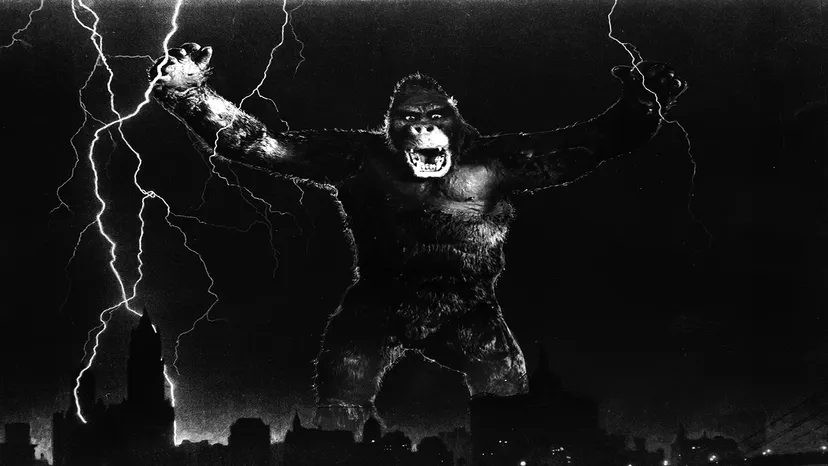
Fast forward to 1933. How do you film a giant ape climbing the Empire State Building? You don’t CGI it. You don’t have the tech.
You use stop-motion animation.
King Kong pioneered this approach by painstakingly moving physical objects in tiny increments. Capture a frame. Move the object a millimeter. Capture another. Repeat until the motion looks fluid. Then, you combine that animated monster with live human actors.
That requires serious trickery.
The filmmakers used matte paintings to create backgrounds. They double-exposed frames. They employed double-matting, known as the Williams Process. They even used bipacking—exposing two rolls of film simultaneously in the same camera, a method called the Dunning process.
Did King Kong invent all of this? No. The Williams Process showed up in Wild Honey way back in 1922. But under the guidance of directors Merian C. Cooper and Ernest B. Schoedsack, along with cinematographers Eddie Linden, Vernon Walker, and J.O. Taylor, King Kong stitched these disparate techniques together.
They wove a fantastic tale.
The magic wasn’t in one new invention. It was in the combination.
Citizen Kane and the Depth of Field Revolution
- Orson Welles arrives with Citizen Kane.
The film broke rules everyone thought were permanent. One major shift? Deep focus photography.
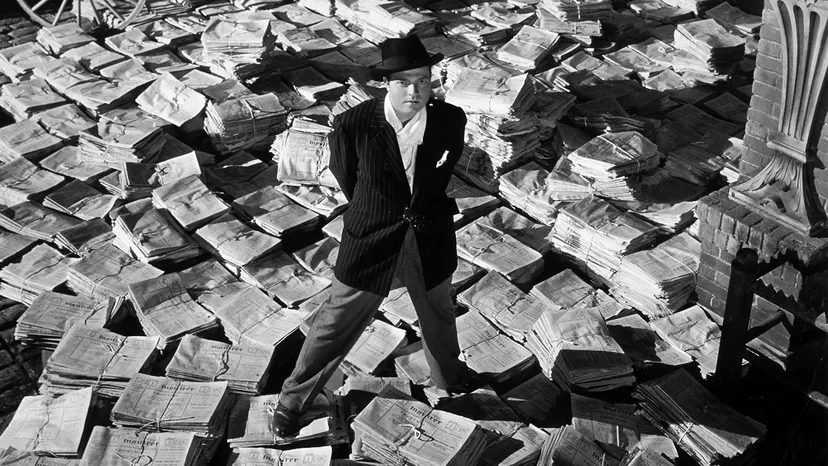
Instead of blurring the background to guide the eye, Welles and cinematographer Gregg Toland kept everything in sharp focus. Foreground, middle ground, background. All clear. All visible.
This required powerful lenses. It required bright lighting setups that strained the film stock. It forced editors to rethink how cuts worked. If everything is visible, the viewer chooses where to look.
It changed how stories were told on screen. No longer did the camera dictate the narrative through shallow focus. The audience had agency. A chaotic, brilliant agency.
The visual language of cinema shifted. Again.
Deep focus and the birth of modern cinematic vision
Orson Welles was 25. Twenty-five years old when he wrote, produced, directed, and starred in Citizen Kane. That lack of gray hair didn’t stop him from changing how movies looked. He and cinematographer Gregg Toland invented deep focus. Toland called it “pan-focus.” It meant everything in the frame stayed sharp. From the foreground to the background. Just like your eyes see the world.
Toland spent two years tweaking lenses and lighting before they shot Kane. He wanted the camera to mimic human vision.
“With pan-focus, the camera, like the human eye, sees an entire panorama at once, with everything clear and lifelike.”
That quote sums it up. It wasn’t just a trick. It was a new way of seeing.
The first all-digital feature film was a British experiment
Forget Bob Hoskins’ acting chops for a second. Look at his directing credit for Rainbow (1996). It’s the first feature film ever made entirely digitally. No celluloid. None.
The crew shot in Montreal, Quebec. They used Sony’s Solid State Electronic Cinematography cameras. Every step was digital. Editing. Special effects. Sound. The only time it touched film stock was at the very end. They transferred the finished digital file to 35mm film so theaters could project it. That was the only analog moment in its life. It’s a weird pivot point in history. A digital ghost haunting an analog projector.
How Star Wars changed acting forever
The Phantom Menace (1999) gets mocked. People hate Jar Jar Binks. But the tech behind him? Revolutionary.
Jar Jar was one of the first big uses of motion capture photography. An actor wears a suit. Cameras track the movement. Computers render an animated character. Ahmed Best played Jar Jar. He moved. The computer drew.
This method stuck. It’s how we do non-human characters now. Andy Serkis is the big name here. You know him as Gollum in The Lord of the Rings. Or King Kong. Or Supreme Leader Snoke in Star Wars. He’s the face of the tech.
It’s interesting how the most hated character in Star Wars introduced the tool that makes Gollum work. Irony? Maybe. Progress? Definitely.
Post-production is where the magic happens now
The biggest changes in filmmaking aren’t on set. They’re in the editing room. Justin Guerrieri edits Doom Patrol and Taken. He remembers the shift.
Back in the day, you cut physical film. Literally. Scissors and tape. Then came Avid nonlinear systems. That switch happened in the 90s. Before Guerrieri’s career really took off.
Now? It’s about visual effects software. After Effects. Maya. Blender. Houdini. These tools are everywhere. Professionals use them. Hobbyists use them.
“Nearly every film and television show has some use of visual effects now.”
It’s not just superheroes flying. It’s small stuff. Paint out a piece of tape on the floor. Fix a lighting glitch. The barrier to entry is gone. Software is cheap. Consumer-level.
This means the next big innovation won’t come from Disney. It won’t come from a Star Wars sequel. It might come from an indie filmmaker in their garage. Or a hobbyist with a laptop. They’re figuring out new ways to hack digital tools. That’s where the future is.
3D printing is stealing props
Props aren’t what they used to be. 3D printing is changing set design. It’s often cheaper to print a prop than to buy the real thing. Why spend thousands on a vintage item when you can print it for a fraction of the cost?
The line between digital and physical is blurring. First digital cameras. Then motion capture. Now 3D printed sets. The tools keep getting smaller. Cheaper. More accessible.
Who’s going to use them next?