
Let’s be real. One baby is enough to break your sleep schedule. Two? Okay, that’s a challenge. But six? Add two more toddlers into the mix and you have a logistical nightmare that would make most parents faint dead away. We are talking about formula costs that would bankrupt a small nation, diaper piles that require their own zip code, and a schedule that revolves entirely around naps and midnight feedings.
Yet, Jon and Kate Gosselin didn’t just survive this. They turned it into TLC’s highest-rated show.
“Jon & Kate Plus 8” didn’t just air; it dominated. For four seasons, the camera followed the Pennsylvania couple and their octet of children. It was fascinating. It was overwhelming. It was prime-time television gold. But behind the cameras and the branded merchandise, there was a real human story. A story about love, fertility struggles, and a marriage tested by extreme circumstances.
How Did This Happen?
You have to look back at the beginning to understand the magnitude of the Gosselin family. Jon and Kate weren’t planning on having eight kids. They started with twins, Madelyn and Cara, who are now eight years old. Life was busy, but manageable. Then came the fertility treatments.
Kate didn’t see it coming.
“It’s what God wants for us,” Kate believes. “It’s stressful, but I do love it.”
That’s the Gosselin mantra. They view their chaotic life as “Multiple Bles8ings,” a title borrowed from their family biography co-written with Beth Carson. But before the blessing label stuck, there was just shock. Kate was completely blindsided when she discovered she was pregnant with six babies.
Sextuplets. Alexis, Aaden, Collin, Leah, Hannah, and Joel. Born in order of arrival, they are now four. The logistics of feeding six infants at 2 a.m. while managing two active toddlers? It’s terrifying to imagine. And yet, the marriage held. Barely, perhaps. But it held.
How do you keep a relationship from crumbling under that much pressure? How do you balance the scales when every single day is a battle against exhaustion and expense? The Gosselins claim to love the chaos. But love doesn’t pay for the extra diapers. Love doesn’t solve the sleep deprivation. It just makes the madness bearable. Or so they say.
It started in an October 1997 hotel lobby. Jon Gosselin was on the clock. Kate, a nurse, was there visiting a coworker. They met. The spark was immediate. Jon ended things with his then-girlfriend that same night. They married on June 12, 1999. The ceremony happened in a friend’s garden. The honeymoon? Disney World. Jon was twenty-two. Kate was twenty-four. She wanted a baby immediately.
But her body had other plans. Kate had Polycystic Ovarian Syndrome. The diagnosis meant conception would be difficult. Maybe impossible. “Basically, I didn’t ovulate and would need help getting pregnant,” she said later. “So we decided to check out a fertility doctor.”
They chose intrauterine insemination. No eggs were removed. No eggs were put back into the body like in IVF. Sperm was implanted via catheter. It worked on the second try. Cara and Madelyn arrived on October 8, 2000. The twins turned one. Kate thought about expanding the family.
She tried the fertility treatment again. It worked. The news was a shock.
“I will never forget this day as long as I live,” Kate recalls. The ultrasound revealed seven sacs. Four held yolk sacs. Four viable babies. She stopped at four. At five, she cried. At six, she shook. She sobbed. Doctors said there was a possibility of four. The family had no idea there were seven embryos before the procedure. If they had known, they wouldn’t have gone through with it.
One embryo didn’t develop naturally. Reducing the pregnancy was off the table. “We were absolutely opposed to reduction,” Kate emphasizes.
Bed rest began at seven weeks. Hospitalization followed at twenty weeks. The Gosselin sextuplets were born on May 22, 2004. Just shy of thirty weeks. Each weighed about five pounds. 2.27 kilograms. Kate weighed 205 pounds at delivery. She later had a tummy-tuck to fix the stretched skin and muscles.
The financial reality set in fast. Both Jon and Kate lost their jobs. The strain was immense. An army of volunteers stepped in. Dozens of them helped with feedings and diaper changes. Days were brutal.
“There were days I just wanted to cover my head with a pillow. But I knew my babies were counting on me, and I had to keep it together,” Kate remembers.
Rescue came from an unexpected angle. Reality TV. A news report about the family reached a Discovery Health channel producer. This led to the special Surviving Sextuplets and Twins in May 2006. A sequel aired the following year. The ratings were strong. A full series was a no-brainer for Discovery. It was financially enticing for the Gosselins.
Jon had landed an IT job. They were busy. “We didn’t have time to film and we like having pictures and video,” Jon added. But having cameras in their home? Following them around four days a week? That took getting used to.
Life in a Fishbowl
The cameras didn’t stop. They accelerated the process. The family went from struggling parents to global celebrities overnight. The financial help arrived, but the privacy vanished completely. Every fight, every milestone, every breakdown was captured on tape. The world watched them learn how to raise eight children with the help of volunteers and television crews. The line between private life and public spectacle blurred quickly. And it never really straightened out again.
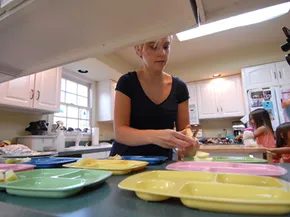
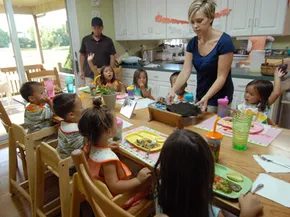
Kate Gosselin used to be the kind of person who liked everything in its place. Now? The cameras show the opposite. What looks like pandemonium on screen is just real life for the Gosselins. The show doesn’t hide their differences. Kate is Type A. Jon is chill. Those clashing styles create friction. Arguments happen.
Kate sees it as honesty. She tells people their marriage is undergoing fine-tuning. It takes a beating right now. They have a house full of children.
This unfiltered look at marriage feels fresh to many fans. It also brought a wave of criticism. The couple ignores the hate. They don’t have time for it. They know the show helps people. That’s what matters. Any negative feedback is just standard TV industry noise.
“Although this is the absolute hardest job –aside from raising eight kids, that is — that Jon and I have ever had, it is also the most amazing blessing that we can be home with our children while working.”
Watching themselves fight isn’t easy. Neither is seeing themselves handle situations poorly. But that’s part of the reality genre. The Gosselins refuse to be different people off-camera. They want to be the same.
Kate insists that their honesty has helped people. Are they sorry certain moments air? Never. She claims they are closer than ever. Still working on themselves. Still working on the marriage. Isn’t everyone?
The Logistics of a Large Household
Managing a home with eight kids is a logistical nightmare. Kate admits to feeling overwhelmed. The amount of organizing required is immense. She constantly runs scenarios in her head. Trips. Closets. Laundry procedures. Every process needs to be as smooth as possible.
Food is another battle. The family gets catered meals on shooting days. Otherwise, Kate cooks from scratch. She sticks to organic ingredients. There is no time for special orders. If you don’t like dinner, the next meal is breakfast. That’s the rule.
They have part-time help. That’s it. Kate’s parents don’t assist. Jon’s mother doesn’t either. Distance is one factor. Disapproval of the show is the other. They don’t want to be part of the TV spectacle.
Traveling with Eight Children
Traveling with a large family is a major enterprise. It hasn’t stopped them. They make time for trips. They did it with two kids. They do it with eight.
Kate relies on DVDs to keep the kids occupied. They don’t watch much TV at home. So seeing a movie on the road is exciting for them. She packs plenty of snacks. Car toys are essential. They pick toys that are amusing but not loud. No noise complaints.
They travel so much that the kids are accustomed to long drives. Kate doesn’t sweat it anymore.
Finding One-on-One Time
Shorter drives serve a different purpose. They provide one-on-one time. Jon takes one child at a time. Errands take them to the supermarket. The bank. Other necessities.
Planning time with each other is also necessary. When the kids are in bed, the dynamic shifts. Kate and Jon hang out. They have conversations. They watch movies together. It’s a rare moment of peace in a chaotic life.

It is not that life got easier. That is a common misconception about raising a massive brood. Kate Gosselin puts it bluntly. Having eight infants in the early months was undeniably rough. But she argues that the chaos of toddlers is nothing compared to the current reality.
“Now they can talk back to us,” she admits.
The dynamic has shifted. It is no longer just about feeding and sleeping. It is about managing a house full of verbal, opinionated children who run around with energy to burn. Kate calls it “scary” now. The sheer volume of opinions in one home is a challenge that grows with age. It does not get easier as they get older. It just changes.
The Fear of the Teen Years
There is a specific anxiety tied to the future. Kate does not shy away from the looming reality of adolescence.
“The image of a houseful of 13-year-olds is too painful to think about,” she says.
That is a visceral reaction to the idea of eight teenagers under one roof. But there is an even heavier worry lurking on the horizon. It is not the yelling or the rebellion she fears most. It is the silence that follows.
“I’m already worried about that empty-nest syndrome,” Kate confesses.
The thought of the house being quiet is daunting. It highlights how central the children are to her identity and daily structure. The prospect of them leaving home is a source of genuine dread.
No More Babies, Just Grandkids
Despite the current chaos, there is a clear boundary drawn at eight. Kate is definitive about this.
“Unless God has other plans, I will never have more kids,” she states.
There is no ambiguity here. The decision is made. The family is complete.
However, that does not mean the family dream is over. It just evolves. Kate looks forward to a different kind of fullness.
“I have very vivid dreams of our family in the future,” she shares. “A house full of love, laughter, and lots of grandkids to spoil.”
She sees a future where she is the grandmother. Where the chaos has settled into something more manageable. Where the love remains, but the exhaustion of infant care is gone. It is a hopeful vision. One that prioritizes connection over expansion.
Will Jon & Kate Plus 8 Continue?
The future of the show itself rests with the children. It is not just Jon and Kate deciding whether to keep filming.
“It’s always been a season by season decision,” Jon explains.
The process involves a family meeting. The kids vote. The cameras only stay if the children consent to them being there. Their childhood comes first. This is a structural rule of the show’s existence. It ensures that the media exposure does not override the family’s comfort or privacy.
Whether the fourth installment is the last remains to be seen. But the protocol is clear. The children hold the power. And for now, they are still talking back.