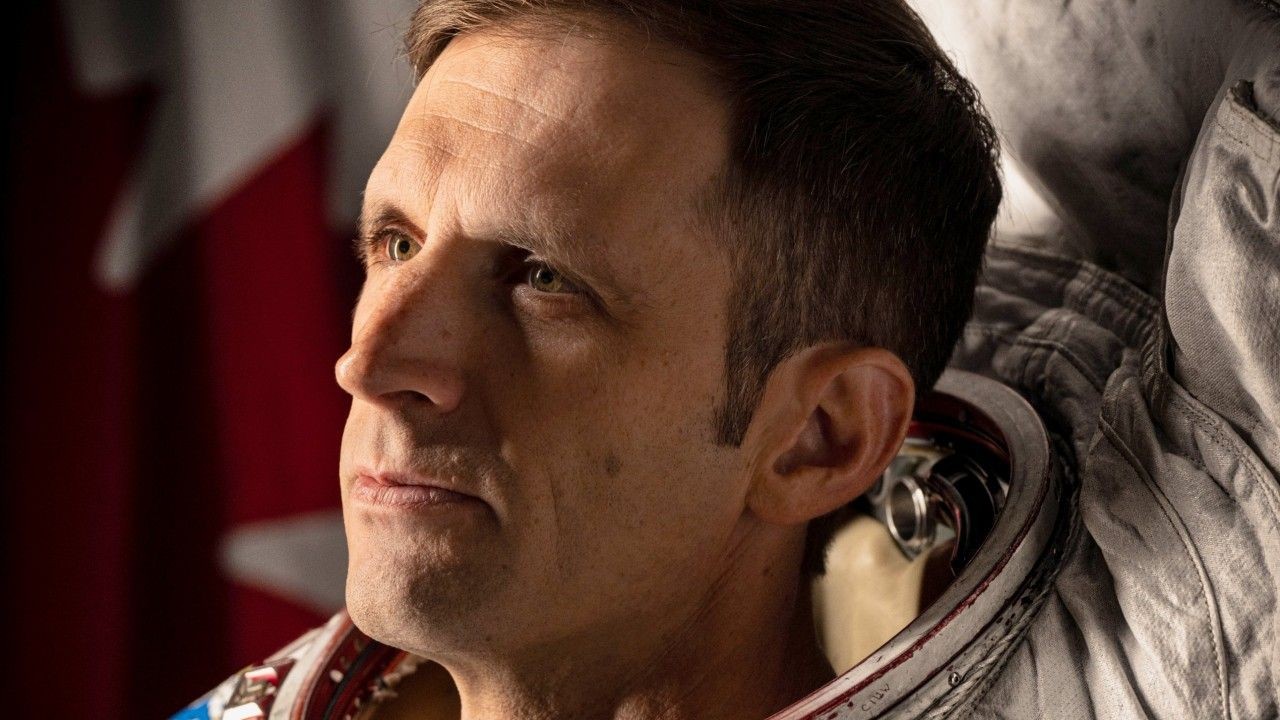
Following a period of scheduling shifts caused by technical setbacks in the commercial space sector, the Canadian Space Agency (CSA) has confirmed that astronaut Josh Kutryk will fly to the International Space Station (ISS) as part of the SpaceX Crew-13 mission.
Scheduled for no earlier than September 2026, the mission marks a significant return for Canadian human spaceflight, following a period of transition in international orbital logistics.
From Starliner Delays to SpaceX Success
Kutryk’s path to the ISS has not been without obstacles. He was originally slated to fly on the Boeing Starliner-1 mission in 2024. However, technical complications—including a “Type A mishap” during Boeing’s Crew Flight Test—necessitated a reassignment of the Starliner-1 crew while the program undergoes further development and testing.
This delay highlights the inherent volatility of modern space exploration, where a single technical anomaly can ripple through international flight manifests. By transitioning to the SpaceX Crew-13 mission, Kutryk joins a diverse international crew including:
– NASA astronauts: Jessica Watkins and Luke Delaney
– Roscosmos cosmonaut: Sergey Teteryatnikov
A Milestone for Canadian Aerospace
The announcement comes during a high-momentum period for Canada’s space and defense sectors. Just weeks prior, CSA astronaut Jeremy Hansen completed the historic Artemis 2 mission around the moon.
Furthermore, the mission carries symbolic weight for the Royal Canadian Air Force (RCAF), which celebrated its centennial on April 1. Both Kutryk and Hansen serve as Colonels within the RCAF, bridging the gap between military aviation excellence and cutting-edge space exploration.
The Mission: Science and Maintenance
Kutryk is not merely a passenger; he is a highly decorated test pilot with over 4,000 flight hours across 40 different aircraft types. His experience includes missions for NATO, NORAD, and the United Nations, as well as combat operations in Libya and Afghanistan.
During his six-month stay aboard the ISS (spanning Expeditions 75 and 76), Kutryk will focus on:
– Human Health Research: Leading Canadian-led scientific investigations into how space affects the human body.
– Station Operations: Performing essential maintenance and technical tasks to keep the orbiting complex functional.
Canada’s Growing Influence in Space
While Canada’s direct contribution to the ISS is roughly 2.3%—largely facilitated by the iconic Canadarm2 robotics—the nation’s influence is expanding through the Artemis Accords.
Beyond the ISS, Canada is heavily invested in lunar exploration, contributing next-generation technology like the Canadarm3. This dual approach—maintaining a presence in low-Earth orbit via the ISS while building infrastructure for the moon via the Artemis program—positions Canada as a critical technical partner in the future of deep-space exploration.
“Space is driven by curiosity, adventure, innovation, and science — but above all, collaboration,” said Kutryk. “Collaboration that creates opportunity, and builds a better future.”
Conclusion
Josh Kutryk’s upcoming mission represents a resilient comeback for Canadian spaceflight following Boeing-related delays. By leveraging his extensive military and test-pilot background, Kutryk will play a vital role in both scientific research and the continued operational stability of the International Space Station.