Otta was full of gasps. Literally. Or at least the story of them. Artemis II astronauts took the stage in Ottawa on May 13 to talk about what actually happened while looping the moon. It wasn’t just science. It was awe. Raw and unscripted.
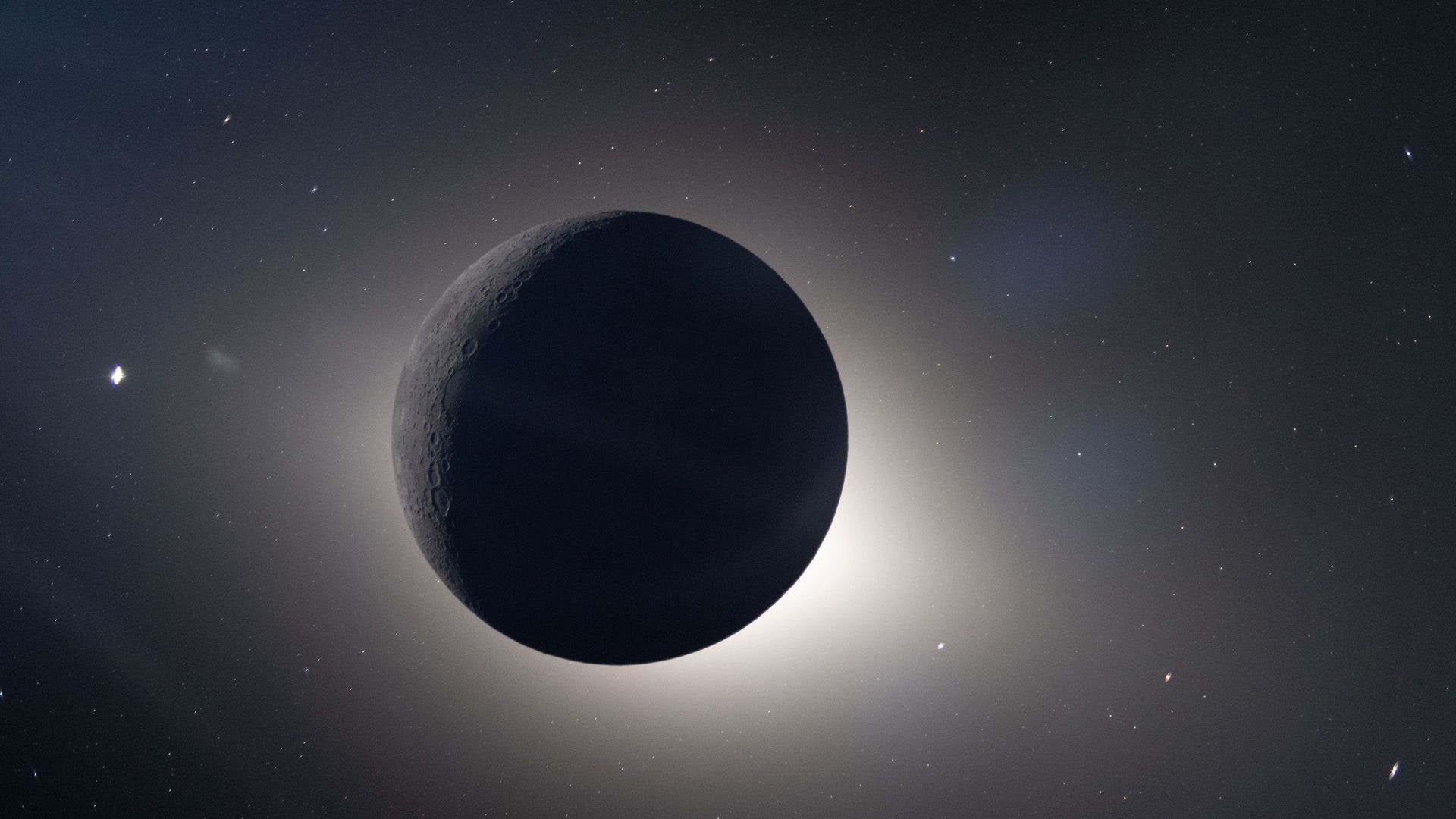
The sun dipped behind the moon on April 6. Total eclipse for fifty-three minutes. You can’t see that from Earth. NASA’s Reid Wiselman was busy. Science had to be done. Always the work.
“As that sun was behind the moon… we had a lot of science to did,”
Wiselman said he was focused on the data. But his crew? Distracted. He heard it immediately. The sounds broke the comms. Gasps. Whispers. “Oh my God.” Denial. He kept working though. Commander mindset. But pilot Victor Glover floated him to the tunnel window. Wiseman looked. The photo is iconic, sure. Ghost-ship curvature. Solar corona glowing like fire. Earthshine turning the rock eerie and bright.
But the eyes tell a different story. Wiseman admitted he didn’t know how to process it. “I don’t think the human mind evolved to understand this.” Glover kept it cool. His reply was two words that defined the era:
- We just went sci-fi.
Braids, Maps, and Sugar
The crew was in Ottawa for their first post-mission stop. The city dressed up for it. Giant avatars loomed at the National Arts Centre. Tulips bloomed nearby—part of the festival season, part of space heritage. It felt surreal. Forty years of Canadian astronaut history displayed next to flowers.
Jenni Gibbons was there too. CSA backup. Capsule communicator. She knows the tension of those lines going silent when the crew loops behind the lunar mass. Isolation sets in fast. They needed grounding. They chose snacks.
“I don’t know if I can gave maple cookies a better endorsement,”
Glover said the sweet, then stopped. The room laughed. A maple cookie saved the far side of the moon from boredom. Simple. Human.
Then came the photos. The ones we all saw. Christina Koch’s braid floating in zero-G. It became an instant meme. A symbol of the mission’s beauty. Koch admitted she hated it at first. It was in the way. A nuisance. But she realized the weight of it later. Sent the image down raw. Unedited.
She had no idea anyone cared. Truly cared. Not until she video-called her husband late in the trip. He told her the world was watching. Really watching. Across lines they couldn’t see from space. She started crying. Just stared at the screen and cried.
“We just thought we were on a TV for our best friends.”
That’s all they wanted. To be seen. To move the needle on shared humanity. On the lifeboat theory of Earth. Koch said that resonance was a gift.
Hansen—first non-American to leave LEO—added to it. He talked about the “joy train.” When friction happens, when things get hard, they get back on that train. Assume good intent. It’s not just a crew tactic. It’s how countries should talk too. He mentioned the Canada-U.S. relationship directly. Tensions are in the news. But he stressed the love remains. The interdependence is real.
He said this right after meeting Prime Minister Mark Carney. And following talks with President Donald Trump in late April? The contrast was stark. Politics happens below. The crew floats above. Trying to keep the joy train rolling.
Who is really in control here. The politicians or the perspective.