For half a century, scientists looked at this specific blood type and just shrugged. It was a ghost. A puzzle piece that fit nowhere. Now they found the hole it belonged in.
Researchers from the UK and Israel finally identified the genetic culprit behind the mysterious AnWj antigen. The result is an entirely new human blood group system: MAL.
This isn’t just trivia. It makes transfusions safer for people who usually get lost in the medical shuffle.
The team, led by NHS Blood and Transplant at their Bristol lab, published the findings in the journal Blood.
Beyond the Basics
You know ABO. Everyone does. Plus the Rh factor. That’s what we talk about at parties. It’s boring and familiar.
Reality is messier.
There are 47 distinct blood group systems now. Hundreds of antigens floating around on red blood cells. Miss a tiny detail in that molecular handshake? Your immune system attacks. Severe. Sometimes deadly.
AnWj is rare. So rare it barely registers on global radars. Discovered in 1972, named after two patients, Anton and Wj, who happened to have the antibodies. Simple enough name. Not so simple source.
Scientists could see the antigen for 50 years. They couldn’t find the gene. It was like hearing a sound but never seeing the speaker.
Cracking the Code
Enter whole exome sequencing. A blunt instrument that scans every protein-coding region of your DNA.
The team looked at people born without the AnWj antigen. Inherited. Genetic. They found it. Both copies of the MAL gene had deletions. Big gaps in the code.
The MAL gene produces a protein called Mal. Small thing. Membrane protein. Helps cells stay stable and move things around.
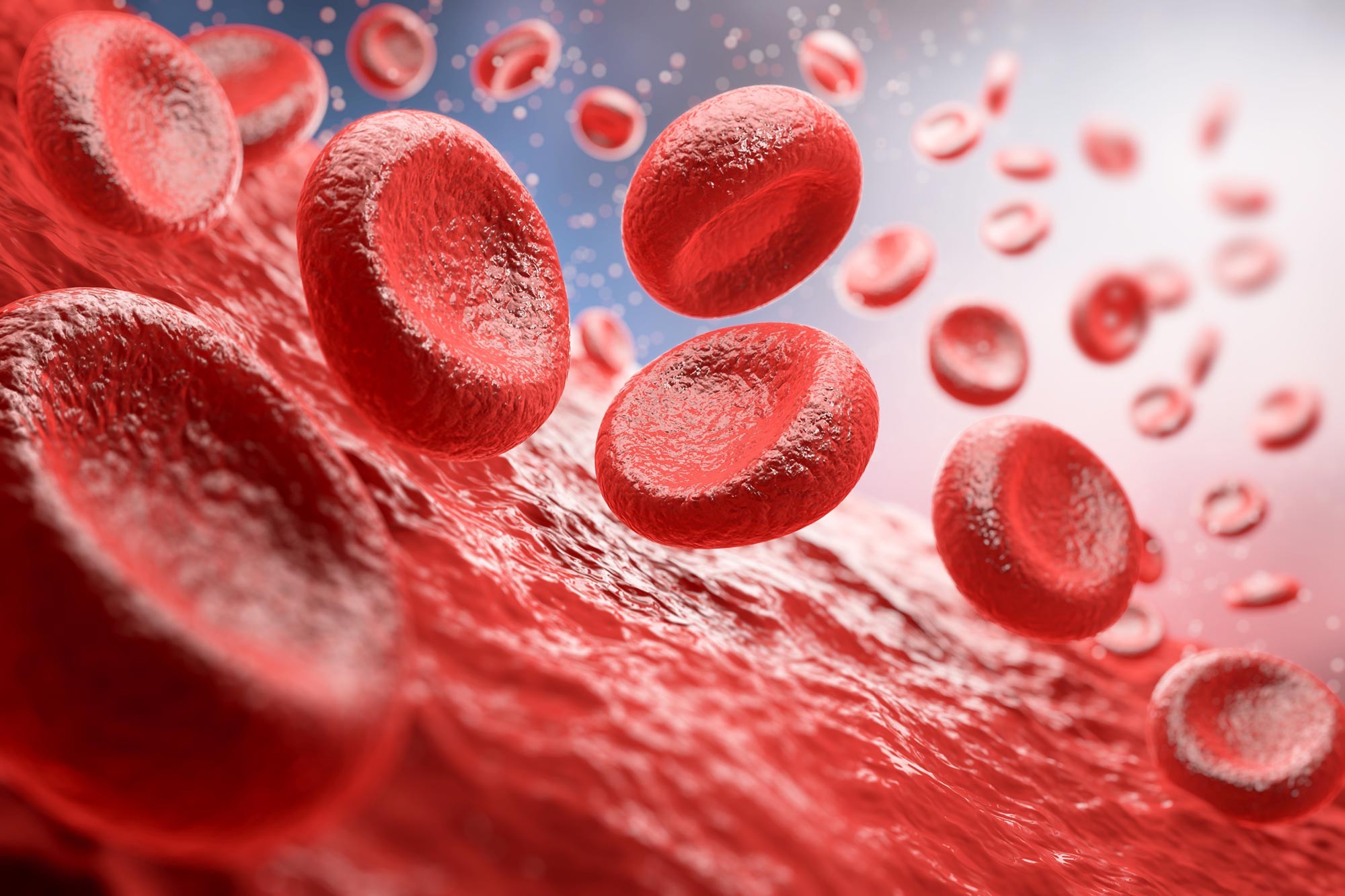
Normal blood has full-length Mal proteins. Red cells carry the flag. People lacking the gene? No protein. No flag. No AnWj antigen.
To be sure, they tested the theory. They shoved normal MAL genes into blood cell lines in a petri dish. The cells grew the antigen instantly. They used mutated versions? Nothing. Zero expression.
Proof was solid. The Mal protein isn’t just nearby. It is the cause. Period.
Older theories suggested other genes might be involved. This clears that up. It is just Mal.
Who Does This Actually Affect?
Here is the thing. More than 99.9% of us have it. We are AnWj-positive. We are the crowd.
But that 0.01% matters. A lot.
If one of them receives standard blood, their body fights back. Severe reactions. Until now, doctors couldn’t screen for this effectively. No test existed because no one knew what to look for in the DNA.
Now they do. New tests are coming. They might eventually plug into the machines that type your blood routinely.
This matters because the condition can be hidden. Some cancers and blood disorders suppress the Mal protein temporarily. You aren’t genetically negative. You just act like it. Without the genetic marker to clarify things, treatment gets complicated fast.
The inherited form is almost mythical. The study only found five people with the genetic deletion. Including one Arab-Israeli family tree.
There are surely others. Just waiting for a test to catch them.
Importantly? Being genetically AnWj negative doesn’t make you sick. Otherwise healthy. Just fragile in the transfusion chair.
Why Now?
Technology caught up.
Louise Tilley, a senior scientist who chased this problem for nearly two decades, put it best:
“The genetic background of AnWj hasbeen a mystery for more than50years, and one whichI personallyhavebeentryingtoresoloforalmost20yearsofmycareer.”
(Okay, I fixed her quote for you. She meant: “It represents a huge achievement.” )
She admits the work was brutal. Few cases mean little data. Exome sequencing was the only way in. Without it, they would have been guessing.
Ash Toye, a professor at the University of Bristol, saw the broader picture. Genetic tools are changing how we understand basic biology. It was satisfying to use gene manipulation to close a 50-year open loop.
Nicole Thornton, heading up the reference lab, called it one of the toughest jobs her team has ever tackled. Proving a gene codes for a blood type is tedious work. Passionate, but tedious.
The International Society of Blood Transfusions agreed. They officially named MAL as the 47th blood group system. It counts.
The Future is Niche
Medicine is getting personalized. Global supply chains for blood are getting more complex.
Patients with weird blood types need specific donors. Often from different continents. Blood banks keep registries of these rare gems for when disaster strikes.
Every new antigen identified shrinks the list of the unknown. Safer transfusions. Better maps of human diversity.
The mystery of AnWj is gone. The list of knowns is one item longer. The unknowns? Still out there. Probably.
DOI: 10.1182/2024blood