It’s not gas. This name is a misnomer that has been used for over a century. Mustard gas is actually a thick oily liquid. Exposure to air does not turn it into a vapor in the traditional sense. Instead, a mist of tiny droplets is created. These particles remain. They fall on the skin. It sticks to the fabric. They cause severe damage.
The most immediate effect is blistering. Direct contact with this substance can cause burns to the skin and mucous membranes. It leaves behind lesions that can take months to heal. The smell is distinct. It is similar to garlic and horseradish. On the battlefield, that faint smell is often the first warning to soldiers. But by the time they smell it, the exposure has already begun.
An unexpected discovery in 1860
The story begins before the trenches of the First World War. It started with a British chemist named Frederick Guthrie. He was working in a London lab in 1860. His goal was not to create weapons. It was to synthesize a specific chemical compound.
Guthrie experimented with the properties of sulfur and chlorine. During the process, he produced a new substance. He did not intend to harm anyone. But the compound reacted with his own body. He experienced its toxic effects firsthand. The blisters formed. The pain set in. He accidentally created what is now called sulfur mustard.
Why does the confusion continue?
The term “mustard gas” has endured because of the agent’s combat performance. When released from artillery shells or bombs, it spreads through the air. Forms a cloud of aerosolized droplets. Soldiers saw the cloud. They thought they were breathing in a gas. The mist could be inhaled. It could coat exposed skin. It could soak into boots and uniforms.
The difference between liquids and gases is important. A true gas expands to fill its container. Mustard agent does not. It’s on the surface. It waits. It requires physical contact to activate. This makes it particularly insidious. Depending on the weather, they can stay in the area for days, weeks or even months. If it rains, it can be washed away. Sunlight can degrade it. But in cool, humid conditions, it stays active.
Historical background
Guthrie’s discovery was purely academic. He published his findings. He described the synthesis and the toxic effects. At that time, no one thought of using it as a weapon. Chemical warfare was still in its infancy. The rules of engagement were vague.
Decades later, during World War I, military scientists rediscovered Guthrie’s work. They recognized the potential. They scaled up production. They deployed it on a massive scale. The agent became one of the most feared weapons of the war. It caused hundreds of thousands of casualties. It blinded thousands. It left a scar on the collective memory of warfare.
Impact on today’s real world
Understanding the properties of mustard agents is more than just history. This is a safety and awareness issue. The first responder must be aware that this is a liquid hazard. It must be understood that if the poison is in the form of droplets, an ordinary gas mask may not be enough. Cleaning requires different steps than actual steam cleaning.
Agent ability lasts a long time
An unexpected gift of terrifying weapons
Mustard gas doesn’t just kill people. It’s devastating. Ironically, this maiming became the model for some of the most powerful tools in modern oncology.
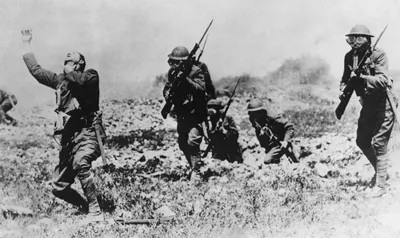
The story begins in the mud and trenches of the First World War. When Germany first used the weapon in 1917, the goal was simple: incapacitate. The Allies, including France and Great Britain, rushed to develop their own weapons. Delivery methods are brutal and varied. Airplanes sprayed it. Artillery shells, bombs and rockets were delivered to enemy lines. The purpose was to flood the battlefield with an insidious chemical that could destroy the mind and body of an entire division.
The lethality of such a scary substance is surprisingly low. Only about 2-3% of the soldiers exposed to the agent died. However, the cost of survival is high. Many others are permanently decommissioned because they are blind, injured or suffer from chronic respiratory conditions. This weapon works by destroying tissue, slowing cell division and causing blisters on contact.
Why the Geneva agreements did not stop production
Now that mustard gas has been banned, one would think that mustard gas would disappear from the world scene. You are wrong.
In 1925, the Geneva Gas Protocol was drawn up. The use of chemical and biological weapons is clearly prohibited. Many countries have signed. they accepted it. They nodded in agreement. However, there is a major loophole in this agreement. Use is prohibited. No mention of production, storage or testing.
The Geneva Protocol prohibits the use of chemical weapons, but leaves the door open to stockpiling and threats of retaliation.
This oversight, the great powers were able to accumulate huge reserves. In particular, the United States and the Soviet Union have collected large amounts of supplies. Great powers such as Great Britain, France and the Soviet Union expressly reserved the right to use these prohibited weapons if attacked first. It is a deterrence strategy based on the promise of mutual destruction.
This agreement banned the use of mustard gas in most Western conflicts. It lasted until the wars of the end of the 20th century. Japan did not sign this protocol and used it against China during World War II. It was then reintroduced during the Iran-Iraq War (1980-1988). This gun still exists because the ban is incomplete.
From battlefield toxins to chemotherapy
The real change happened in the 1940s. Scientists study the effects of mustard gas on soldiers. They noticed something strange about the survivors. Their white blood cell count dropped sharply. The bone marrow has been suppressed.
This observation led to groundbreaking discoveries. If mustard gas can stop cell division, could it also stop cancer cells?
Chemists extract chemicals from sulfur and mechlorethamine. They created a compound that targets rapidly dividing cells. One of them is mustargen, also known as mechlorethamine. Used to treat lymphoma and other cancers.
Mustard gas compounds became the first chemotherapy drugs, turning weapons of mass destruction into life-saving tools.
This is not a one-time discovery. Research into the medical use of mustard compounds continued in the 1970s. Some of these drugs are still in use today. They are still the cornerstone of cancer treatment and a direct legacy of horror weapon.
Chemical Weapons Convention: strengthening the ban
In 1993, the world finally closed the loophole in the Chemical Weapons Convention.
Mustard gas slow poisoning
Mustard gas does not kill them immediately. In fact, death is rarely a direct consequence. It is the architect of slow and brutal destruction. It maims. Health problems can last for decades. The first wound was a physical, severe chemical burn. We are talking about second and third degree burns that occur on any part of the skin that the gas comes into contact with.
The most insidious feature? Delay. You might not feel anything even if you step into that cloud. Hours have passed and you still haven’t noticed. Then the itching started. Redness appears. Eventually, yellow blisters appear on the skin. This is a deceptive timeline. When your eyes are exposed, your reactions are faster. Irritation. Pain. swelling. Excessive exposure here can lead to blindness. temporarily. Or forever.
Why water makes things worse
You might think that rinsing with water is the obvious solution. This is not true. Mustard gas is poorly soluble in water, so it is not easily washed away. It sticks. When the water comes into contact with the gases on the skin, a chemical reaction starts. As a result, hemi-mustard and muriatic acid. Both are dangerous in their own right. So it’s not just about dealing with the original poison. You create new toxins in your skin.
Breathing and long-term damage
Inhaling it is also a form of torture. These fumes are not only irritating; burn. It can cause blisters on the respiratory mucosa. As a result, you cannot stop coughing. shortness of breath. Severe acute exposure can actually be fatal. But if you survive the initial attack, the damage may have only just begun. Large amounts or long-term exposure can cause chronic respiratory diseases. It often causes lung cancer. It often causes respiratory tract cancer. The gas stays with you.