One mouse. One lipid nanoparticle. Three deadly viruses.
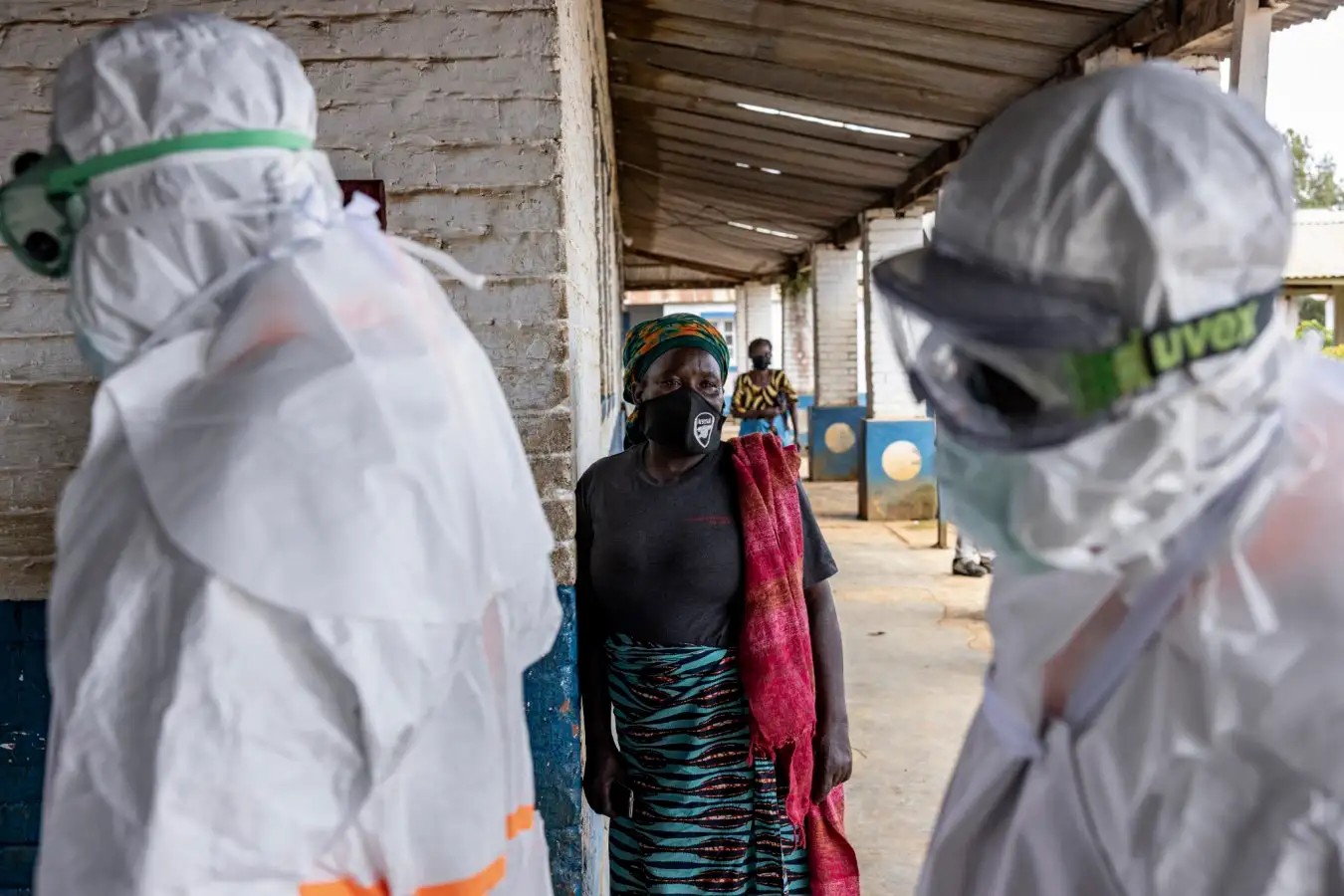
The Bundibugyo strain is currently moving through the Democratic Republic of Congo. Over 600 infections. Two confirmed cases in Uganda. The WHO declared a public health emergency of international concern because the situation feels less like a warning and more like an active crisis.
Until now we only had approved vaccines for the Zaire strain. The 2014-2016 outbreak of Zaire infected more than 28,00 people. Bundibugyo and Sudan strains? Zero approved shots. Rare outbreaks. Dangerous gaps.
Yanfeng Yao and his team at the Wuhan Institute of Virolology say they’ve changed that gap in a petri dish. Their new mRNA vaccine protects against all three major orthoebolaviruses: Zaire, Sudan, and Bundibugyo.
Why it works
Here is the science simplified.
Each Ebola variant carries different glycoproteins. Those are the keys the virus uses to break into cells. Hard to target when the keys are all different. But here’s the thing. They all share the same nucleoprotein. That packages the genetic material. Common ground.
The researchers combined the mRNA instructions for the specific glycoproteins of each strain plus the shared nucleoprotein. All inside one fatty sphere. A lipid nanoparticle. It shields the message until it hits your cells.
Then they tested it on mice.
The results were stark. The immunized animals got complete protection against Zaire and Sudan viruses. Against Bundibugyo they showed strong protection. Even hamsters exposed to Sudan survived completely.
“The development of a broad-spectrum vaccine has potential to efficiently mitigate outbreaks,” Yao writes.
Sounds great. It does.
But stop.
The hard part remains
Rodents aren’t humans. We know this. Yao admits it. Plenty more work is required.
Robert Cross at the University of Texas Medial Branch sees the promise in the next-generation tech. But he also knows the regulatory wall.
Testing in non-human primates isn’t optional. It’s the gold standard. Without primate data, predicting human efficacy is guessing. And regulatory bodies don’t like guesses.
“It’s hard enough to get approved for a single virus,” Cross notes. “A multivalent vaccine? Arguably more complex path to approval.”
Adrian Esterman from Adelaide University agrees. The study is promising preclinically. But limiting the data to rodents makes timeline predictions foolish.
Years. Probably.
Primate testing. Manufacturing development. Safety protocols. None of these things happen overnight.
We are close. Or are we?
The science is exciting. The timeline is stubborn. Somewhere in the middle of that tension lies the next outbreak waiting for an answer we might not have in time.