NASA isn’t waiting around.
July 13 brought the word. We are “full steam ahead” on Artemis III. Hardware is stacking in Florida. Simulations are running inside Mission Control. It is all going toward one thing. The mid-to-late 2024 launch window? No. 2027. Four astronauts. Orion spacecraft. Low Earth orbit.
It sounds like a routine trip around the block, doesn’t it. But this isn’t just a sightseeing tour. Artemis II showed us the path around the moon last April. Artemis III? It’s the dress rehearsal. The real test of logistics.
“It will be the second crewed mission… aimed at establishing a permanent human presence on the Moon.”
Here is the kicker. Nobody is actually landing. Not on Artemis III. The crew will stay in orbit. But they need to meet the bus drivers. Two of them. SpaceX’s Starship. Blue Origin’s Blue Moon. These commercial lunar landers need to dock with Orion. If that handshake fails, the whole architecture cracks.
So why go so fast. Why not slow down. Because the momentum is built. Artemis II was a smash. Now the gears shift. 2026 is winding down. 2027 is coming.
The Hardware Puzzle
Kennedy Space Center looks like a giant construction site. Good kind.
The SLS Core Stage arrived back in April. Connected to its engine block in May. Just in time for summer heat.
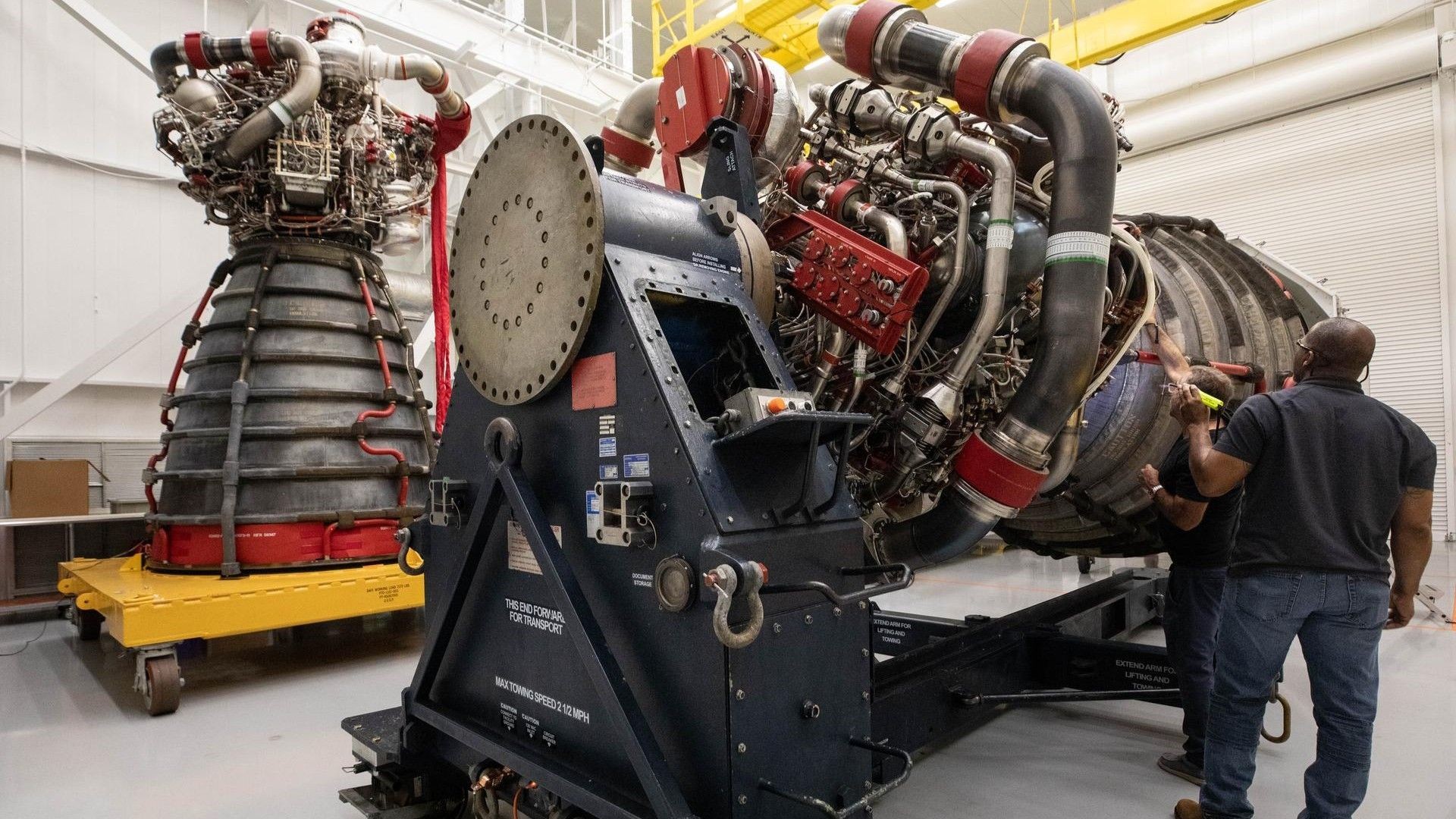
June brought more parts. Two RS-25 engines showed up. The other two are still on their way. Once all four are bolted down, they start testing integration with the mobile launch platform. A temporary weather cap also landed in June. Keeps the dust out. Protects the hardware when they roll it out for pad tests.
Meanwhile, the Solid Rocket Boosters are getting a workout. Bottom segments mounted on the MLP last week. Upper segments arrived by train in June. Inspection time. Then stacking. It is heavy metal logistics at its finest.
Orion itself? Getting cozy inside the Neil Armstrong Operations and Checkout Building.
The heat shield is installed. Finally.
This is a big deal. The Artemis I shield had unexpected wear. This time? Upgrades. Lessons learned. Design tweaks. It’s smarter. Tougher.
The Service Module finished acoustic testing recently. Both halves—the capsule and the module—are prepping to join. Soon they head to the Vehicle Assembly Building. Stack them. Test them. Do it right.
The Human Factor
Machines need operators.
Teams at KSC are drilling. Monthly launch simulations started. They run the props. They practice the final 10 minutes. The terminal count. The chaos right before ignition.
They do it now so it’s muscle memory later. Leading right up to liftoff in 2027.
Everyone is focused. Everyone is busy.
But some eyes are already drifting past the horizon. Past 2027.
Artemis IV is looking in the mirror. Scheduled for late 2028. This is where the boots touch the dust. The first time since 1971. The SLS for that mission is also coming together. Piece by piece. Segment by segment.
The clock is ticking.
“As teams across NASA are busy readyng all the pieces…”
The question isn’t if we go back.
It’s how smoothly the pieces fit when the sky catches fire.
We’ll see soon enough.