Rachel Neale doesn’t deal in vague wellness advice. As a skin cancer researcher at the QIMR Berghofer Institute in Australia, she deals in hard data. She has led clinical trials on sun exposure, skin cancer, and the vitamin D puzzle. Recently, she helped draft a position statement balancing these risks.
Her conclusion? Stop treating sunscreen like magic armor. Here are five facts that might change how you use it.
1. Sunscreen is a last line of defense, not a shield
You can lie on a beach all day. You can reapply lotion every two hours. You think you are safe.
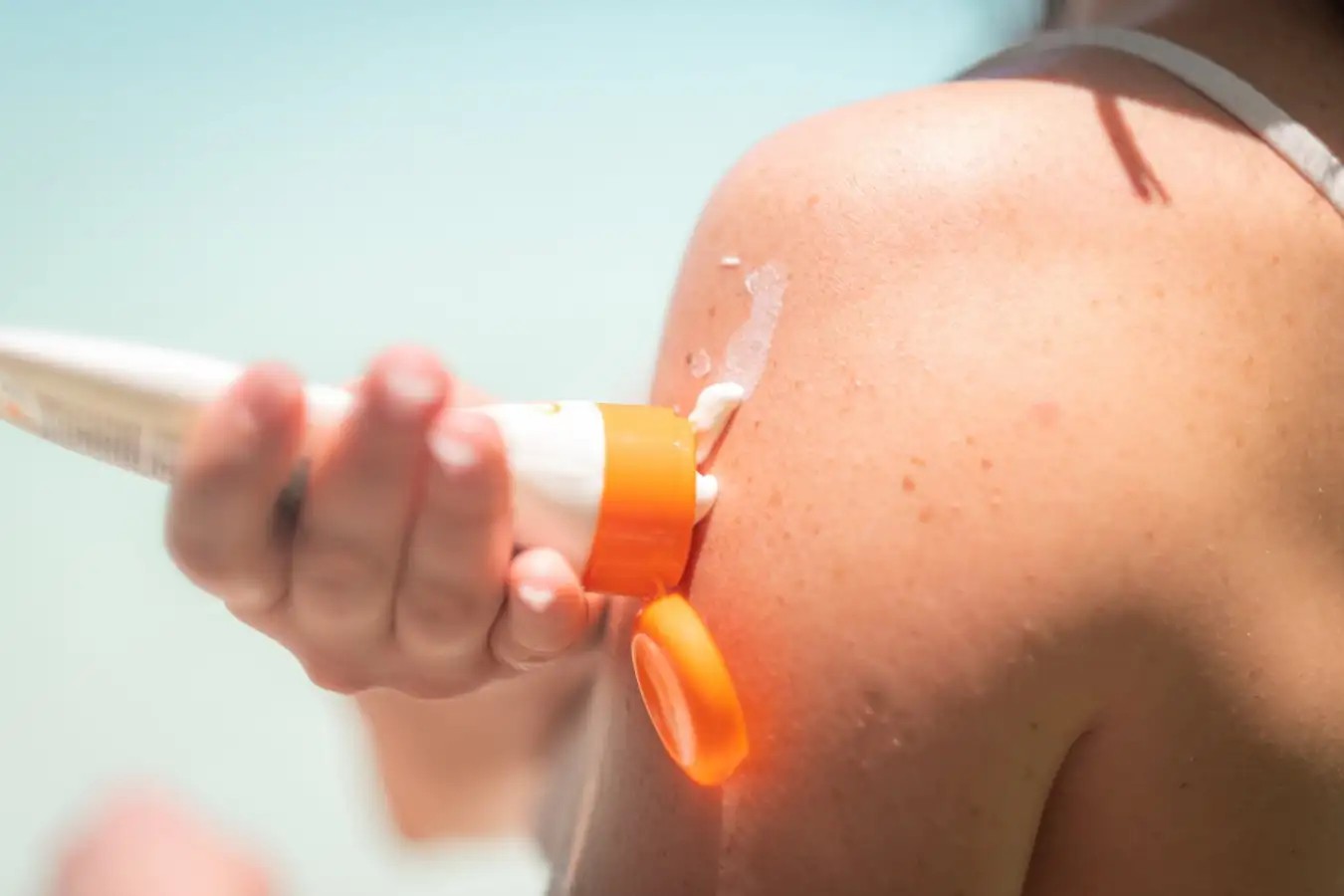
You are not.
No sunscreen blocks everything. Even perfect application lets ultraviolet radiation through. Over hours, that trickle adds up to significant skin damage. Reapplying doesn’t reset the clock on that cumulative exposure.
Hat on. Sunglasses on. Stay in the shade at noon. Use sunscreen only for the bits of skin you simply can’t cover. Your hands. Your neck. Everything else needs physical barriers first.
2. It actually prevents cancer and aging
Nambour, Australia, hosted the most famous study on this topic. Started in 1992. 1600 residents. Half were told to use daily sunscreen. The other half used it normally—which means rarely.
The result? Daily users had half the melanoma risk years later.
The researchers even cast the participants’ hands in molds to check for skin texture changes. Daily users looked younger. They showed less surface damage. When checked again in 2014? Slightly fewer deaths across all causes.
It works.
3. If it’s annoying, it’s useless
Buy the high-SPF 50+ tub if you’re hiking for days. But for short bursts outside? SPF 15 or 35 is fine if you hate the gritty texture.
If it sits in your drawer because it feels like glue, you are getting zero protection.
Tinted moisturizers? They only match SPF labels if you slather them on thick. People rarely do. The color shows up too fast, so you apply it thin.
One trick: Apply a thick base layer of standard sunscreen first. Then put your tinted product on top. Best of both worlds.
Also, stop believing mineral sunscreens only reflect UV rays. They absorb them too, just like chemical filters. Zinc oxide does the job. Octocrylene does the job. It’s physics, not poetry.
4. Apply two layers. Really.
The bottle says 2 milligrams per square centimeter.
For an average adult body? That is about seven teaspoons.
Neale tried measuring this out once. She couldn’t rub it all in. It was just too much. Too messy. Too sticky.
Her fix: Layer it. Put one coat on. Go brush your teeth. Let it settle. Come back ten minutes later and slap on another layer. It feels manageable. You get the actual coverage promised.
Neale knows the stakes personally. Born pale in the 60s. No sunscreen as a kid. Three skin cancers removed by her thirties.
You’d want to protect yourself too.
5. Sunblock might mean you need a vitamin pill
This is the tricky part. The Sun-D Study put 639 people through their paces. Some applied SPF 50+ daily whenever UV indexes hit 3. Others used sunscreens when they wanted.
After a year, 46% of the diligent sunscreen users were vitamin D deficient. The control group sat at 37%.
If you wear sunscreen daily—especially in winter—take a supplement. They are cheap. Safe. Effective.
But it isn’t a one-size-fits-all rule.
A new consensus statement argues that people with dark skin face lower melanoma risk but higher vitamin D deficiency risk. The melanoma incidence is roughly 30 times lower in darker-skinned populations compared to lighter ones.
For them? Experts now say hold off on sunscreen unless you’re outside for more than two hours under high UV. Balance is messy. It requires knowing your skin, your habits, and your location.
We aren’t quite there yet.