An eleven-year-old boy died. Just like that. It happened in Ontario.
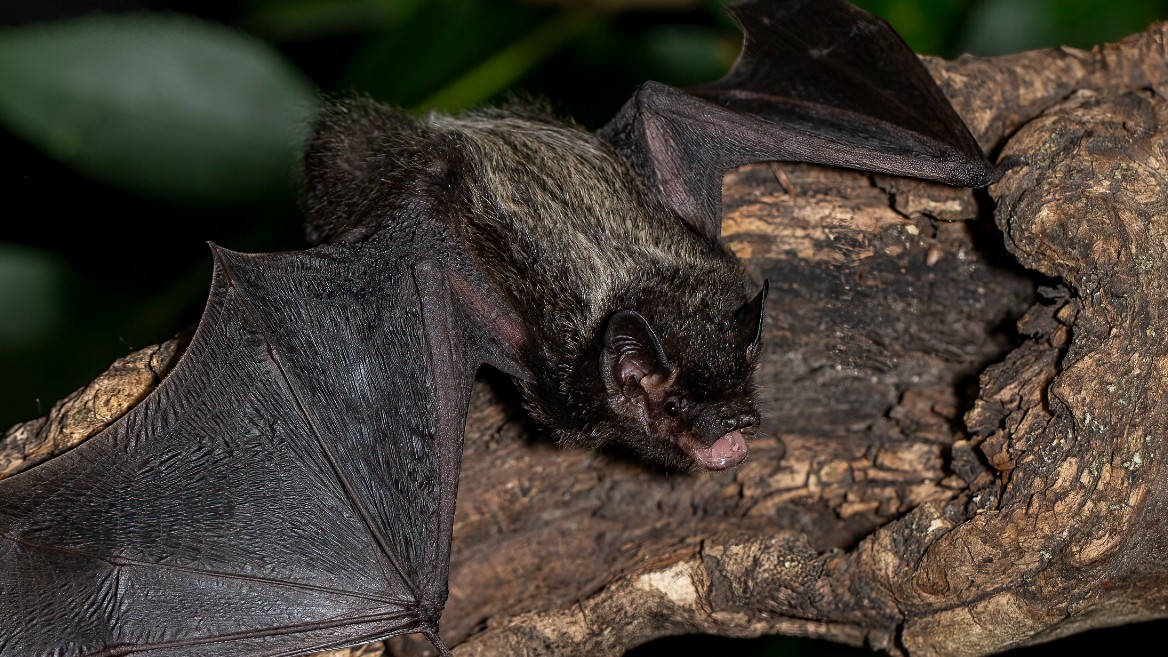
He woke up one night at a family cottage in the north. There was a bat on his face. Resting right there on his nose and mouth. His dad caught the little creature in a cooking pot, tossed it outside, and went back to bed. No blood. No scratch. Just a weird dream maybe.
The parents didn’t see a doctor. They didn’t have to, did they? After all, the bat didn’t bite. Not visibly anyway.
Any direct human contact with [a bat is] considered high risk.
Nineteen days passed. Quiet. Then the tingling started. On the right side of the face. Numbness followed. Swelling too.
They went to the hospital. Vital signs looked okay mostly, just a racing heart and some high white cells. Nothing terrifying yet.
By the next day the boy lost feeling completely on that side. Speech got slushy. Slurred. In the waiting room things spiraled. Fever. Confusion. Hallucinations. He couldn’t swallow. Saliva pooled. This is rabies doing its dirty work in the nerves.
McMaster Children’s Hospital took over. Four days later the test came back positive. Five days in his brainstem reflexes vanished. Total loss.
The doctors and the family had to choose. Life support went off after seventeen days. He was gone.
It wasn’t the bat’s fault exactly. Well, yes, but it wasn’t an attack. The report, published in the CMAJ, stresses a terrifying nuance: bat bites are tiny. Invisible. You don’t even remember them happening. Silver-haired bats are the main culprit in Canada, according to old virology journals, though raccoons and foxes play their part too.
Most people think of rabid animals as foaming monsters snapping at your ankles. That’s the movie version. Real rabid bats are often quiet. They don’t fight. They just sit on you while you sleep and transfer a virus that eats your central nervous system alive.
Once symptoms show up, you are basically dead. It’s almost a hundred percent fatal. The clock ticks down fast, usually within a week or two. But if you act immediately, after the touch or bite, it is nearly always curable. Wash it. Get the antibodies. Take the vaccine shots. Postexposure prophylaxis works. It actually works.
We are told human rabies deaths are rare here. Fewer than ten a year in the US. Only twenty-eight in Canada since 1924. So we let our guard down. We ignore the bat on the face because there’s no blood.
The doctors are blunt about it. They want everyone to remember: if you touch a bat, go to the ER. Don’t wait for the foaming at the mouth. It’s too late by then. The window closes fast and without warning.
Doesn’t sound fair. But that is the rule now. Touching the wing counts. Sleeping near them counts. You have to assume the worst because the evidence won’t be on your skin. It will be inside you before you even know the guest was there.
We keep sleeping. The bats keep flying. The medicine works, if we catch it in time. The tragedy is just a delay. A simple choice not to seek help. A quiet night in Ontario that turned into a medical nightmare.
Italicizing the weight of it all. We ignore small things at our own peril. Maybe we should just call the doctor next time a weird animal wanders in. Or out.