They’re almost invisible in May.
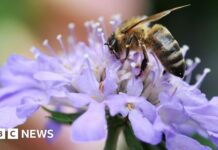
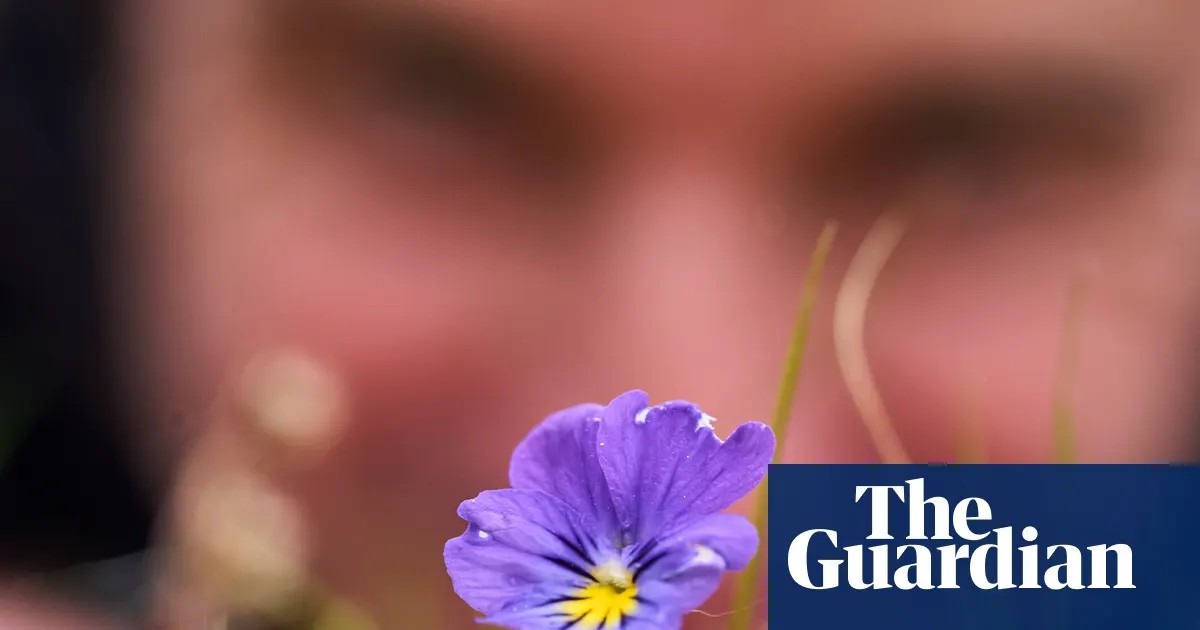
You have to look hard for the purple dots drifting across the River Allen bank. Viola lutea, or mountain pansy. Alpine pennycress, too, white and rosette-shaped. Just a football-pitch’s worth of ground.
But they are there.
And they are thriving on poison.
The Legacy of Lead
This isn’t a normal meadow.
It is calaminarian grassland. A rarity. A habitat built on the backs of specialists called metallophytes that decided to stop fleeing heavy metals and start eating them.
The soil is toxic. Really toxic.
“Nature responding to human pollution,” says Geoff Dobbins from the Northumberland Wildlife Trust. He likes it this way. Or at least, he likes that they still exist.
The problem is succession. Gorse moves in. Broom takes root. Layers of humus bury the zinc and the lead. The unique chemical cocktail gets diluted by regular dirt.
So, a question arises. Do we protect these industrial scars? Or let them fade?
Eating the Enemy
Calaminarian comes from calamine. An old word for zinc ore.
About 30% of the UK’s share of Europe’s these habitats lives here. Scattered bits in Northern England. Wales. Scottish Highlands. It used to be rare naturally. Just tiny patches around rocky outcrops where the earth itself leaked cadmium and lead.
But miners dug deep.
Wastewater flowed over everything. Lichens evolved first. Then mosses. They tolerated the bath.
Then the flowers showed up.
Spring sandwort. Leadwort, they called it. Kidney vetch. Bladder campion. These aren’t soft flowers. They live in soil 30 times more toxic than anything else can handle.
How?
Hyper-accumulation.
The roots drink the poison. They don’t store it. They turn the metal into complex organic compounds. When the plant dies, it locks the toxin into the dirt below. It cleans the soil by becoming the soil.
“It’s defense,” Dr. Ruth Starr-Keddle explains. The metals make the plant taste terrible. Herbivores hate it. Insects stay away. Even fungus can’t handle the toxicity.
The plants are unpalatable shields.
Washed Downstream
Romans started mining the Pennines. By the mid-1700s, it was an industry.
They used a method called hushing. Build a dam high up. Blow it. Flood the valley. Water strips topsoil like a sandblaster. Veins of ore exposed.
Miners dragged the rocks down via packhorses to smelt mills. Places like Plankey, near Briarwood Banks.
Water sorted the ore from the stone. Heavier stuff stayed. Lighter stuff washed away.
Into the rivers.
Centuries of this wash-up collected on silt beds and shingle banks. The Allen. The South Tyne. The seeds followed the minerals. Miles away from the mountains, small colonies took hold on riverbanks that smelled like zinc.
The Environment Agency says abandoned mines still pollute 900 miles of English rivers.
Point sources. Water dripping out of old tunnels.
Diffuse sources. Rain washing waste heaps into streams.
“If you sample rivers in the North Pennines most have mining contamination. We try to reduce it to safe levels. But fixing the water changes the plants.”
Fix the water, and the habitat dies.
It is a losing game for conservationists.
Over 60% of up calaminarian grassland vanished since the 197s. They are successional. They change. Grass outcompetes flower. The purple disappears under green.
Digging for Solutions
Projects are trying to hack this balance.
In Cumbria. Nenthead. Scheduled monuments protect the spoil heaps. But nature ignores heritage lists. So, people scrape the topsoil off. Re-expose the metal layer. Let the calaminarian species have their turn again.
In County Durham. The Water and Abandoned Metal Mine programme.
Stabilising banks. Mixing grass with coir mats to stop runoff.
They planted 1500 plugs of seven key species. Mouse-ear hawkweed. Wild thyme. Metal-hungry roots in metal-rich compost. A barrier. To keep the leak slow.
Back at Briarwood Banks, Dobbins is simpler.
A strimmer.
He cuts. Twice a year. Kills the perennials trying to creep in. Keeps the margins open.
For now.
The water gets cleaner every year. The zinc dilutes. The poison leaves the system.
These meadows were born from an accident. They will likely end as an improvement.
Good outcome.
Bad outcome.
Depends who is looking.