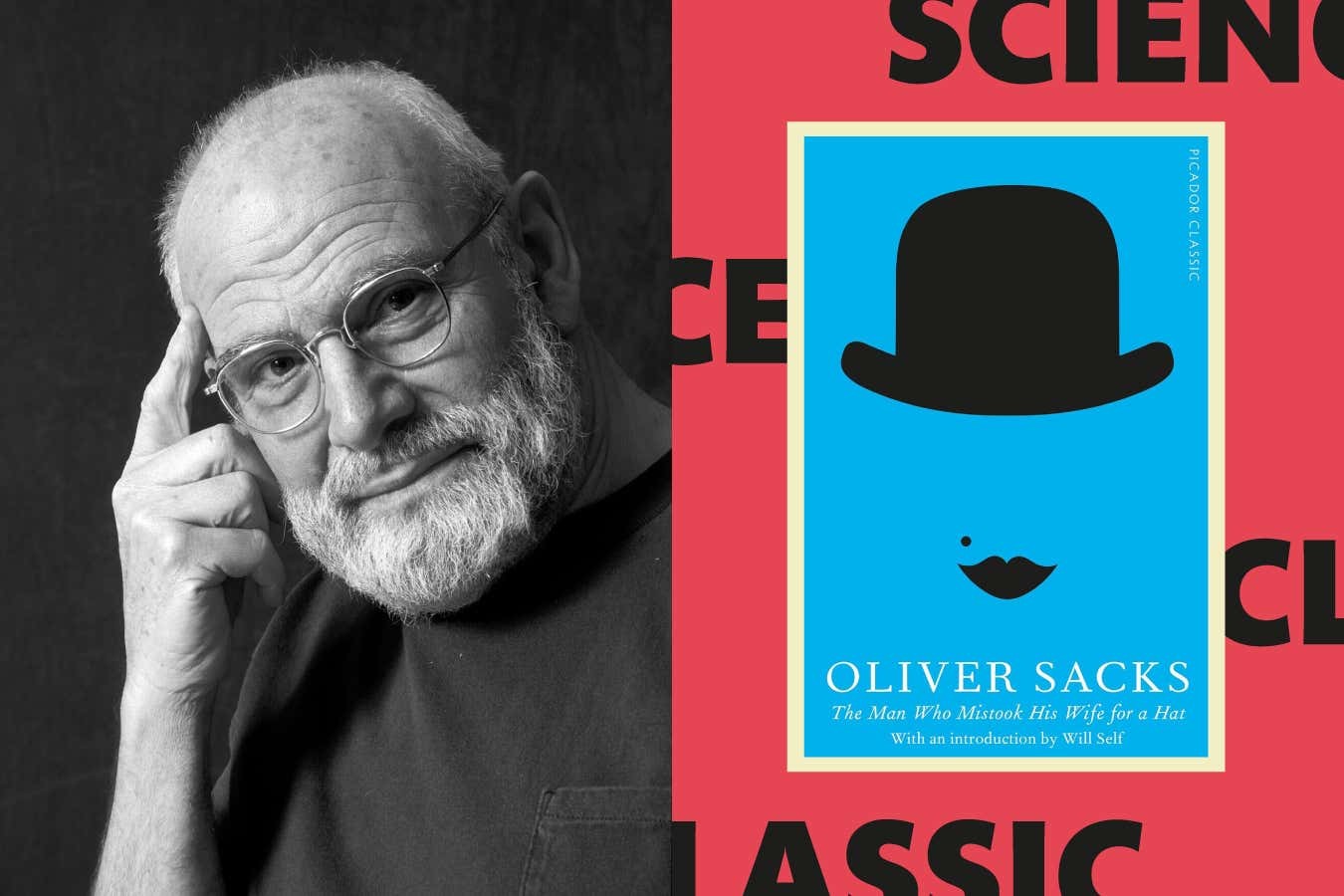
A science book usually goes cold because the facts change. New data comes along, knocks out the thesis, leaves the old attitudes looking like dust. Or sometimes the bomb hits from inside.
That happened to Oliver Sacks. The Man Who Mistook His Wife for a_hat is supposed to be holy scripture for psychology students. It inspired generations. Including me. Then Rachel Aviv opened his journals and dropped the metaphorical bomb on its reputation.
Is there anything left in the rubble?
I picked it up twenty-five years ago. I was an undergrad. Hungry. Sacks takes us into the messy heads of people with neuropsychiatric breakage. Amnesia. Neurosyphilis. Tourette’s. He shows the grind of daily life when the wiring is wrong. Getting dressed. Holding a conversation. He uses their struggles to poke at what makes us human.
Reading it again hurts a little. 1985 is a different country. The language regarding developmental delay? Brutal by today’s standards. Unacceptable. He also gets lost in his own head. Tries too hard to find cosmic meaning in every twitch and tremor. Ties himself in knots.
But mostly it still works.
Empathy isn’t a data point. It’s a practice.
Sacks became the cuddly grandfather of neuroscience for a reason. The book loves its patients. Look at Christina. “The Disembodied Lady.” No proprioception. She can’t feel her limbs in space. You know the trick? Eyes closed, finger to nose. She can’t do it. Getting on a bus is a war. People call her drunk because she spills her life everywhere.
Sacks isn’t just describing a nerve. He’s arguing for mercy. For people who don’t fit the standard model. He never says neurodiversity —that word doesn’t exist yet—but the seed is there.
Then we hit the snag.
Rachel Aviv got access. The Oliver Sacks Foundation handed her the private logs. She published the findings in The New Yorker. The news is bad. Sacks confesses to lies. Falsification.
He calls it his guilt. Aviv calls it fiction masquerading as fact.
Take Rebecca. The girl with severe delays. The one who supposedly blossomed in theater despite not knowing how to turn a key in a lock. Aviv found no record of this triumph in the docs. Just Sacks reshaping her reality. Then the twins. Identical. Severely impaired. Yet they allegedly identified six-digit prime numbers on sight. Never happened before. Never since.
So how much is true?
None of these cases appeared in peer-reviewed journals. There’s no verification. Just Sacks’s word. And in his journals? He admits he lied.
I tend to throw out the magic tricks. The prime-number twins stay in the trash bin. But Christina feels real. Her struggles align with the medical literature. Maybe that part stays.
Aviv argues Sacks was torturing himself. Closeted. Celibate. Hating his own skin while hating the society that made him hate it. He couldn’t be gay so he became his patients. Transmuted his shame into their stories. Then felt guilty for using them as vessels for his own pain.
It’s sad. Tragic, really. Internalized homophobia eating him alive and leaving scars on the literature he created.
Here’s the problem. Hat sold itself as nonfiction. Publishers stamped it with that label. Readers treated it like a textbook.
But its greatest trick is a novelist’s trick. It puts you inside heads that think differently. That see the world through broken lenses. It’s not a reliable guide to neuropathology. Check a medical journal for that. But read it for the humanity? Even knowing it’s stitched together? Even knowing the seams show?
You’ll find something true in it.